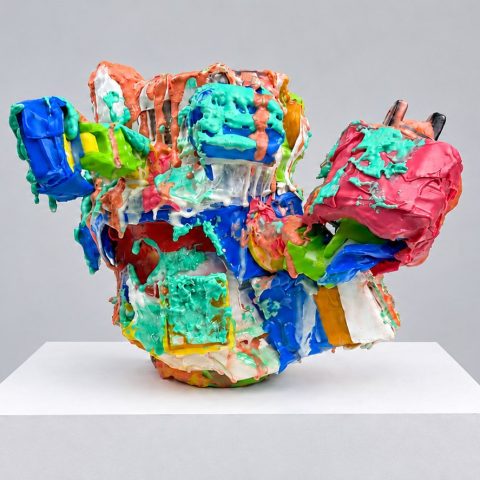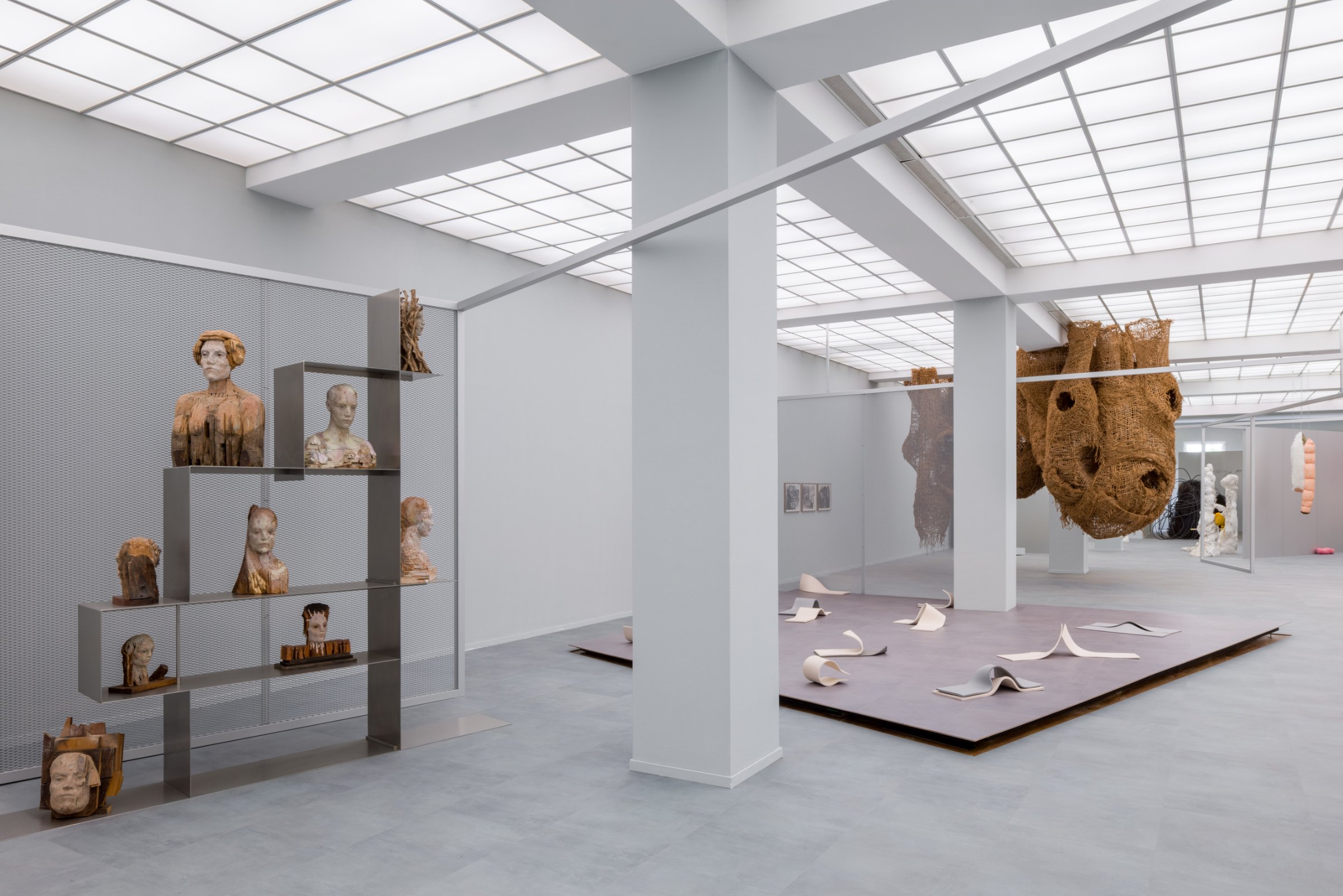
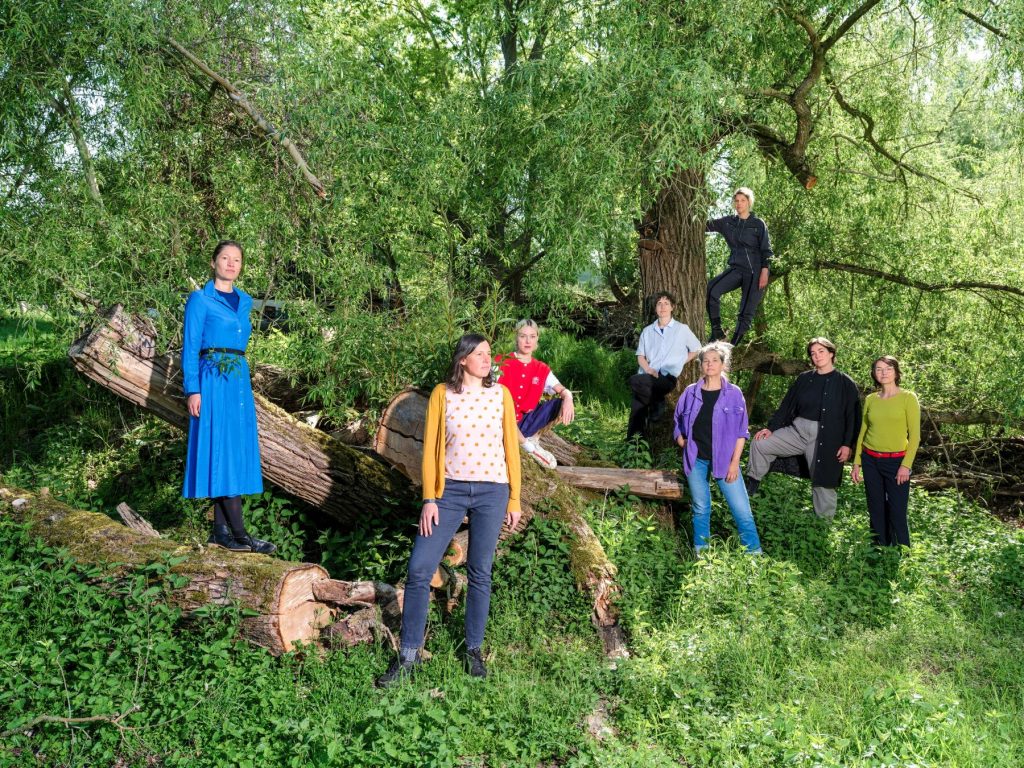
Matter of Care, Care of Matter brings sculptures and site-specific installations by [ materialistin ] to Hamburger Bahnhof – Nationalgalerie der Gegenwart in Berlin. The collective gathers eight sculptors working in Leipzig: Laura Eckert, Enne Haehnle, Elisabeth Howey, Lucy König, Agnes Lammert, Wibke Rahn, Theresa Rothe and Sophie Uchman. The exhibition runs from 3 July 2026 to 14 March 2027.
How [ materialistin ] works
[ materialistin ] is a group of women artists whose work centres on the broad field of sculpture. Its members work with steel, stone, plaster and concrete, plant fibres and renewable materials, wax and clay. The group is organised without hierarchy and takes a stand on feminist, social and cultural-political issues. To meet the physical, economic and logistical demands of sculpture, the members share their experience, tools, contacts and networks. The group also spans several generations.
In addition, Sam Bardaouil, director of Hamburger Bahnhof, curated the show. It is part of the museum’s programme for its 30th anniversary.
Stone, clay and wire
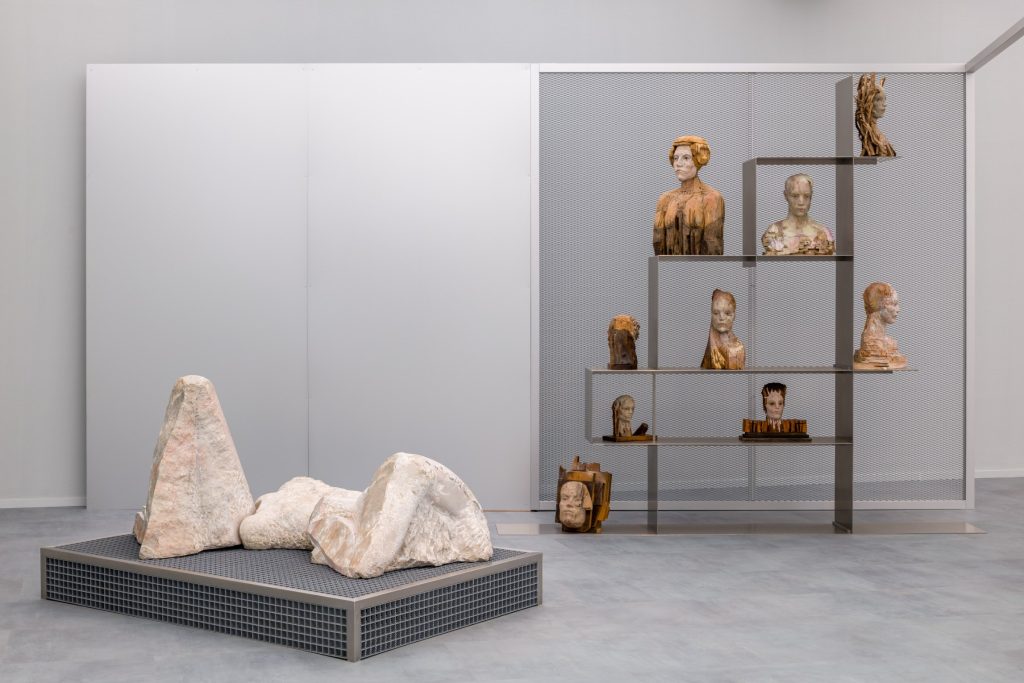
Laura Eckert works mainly with stone and wood, and the human body sits at the centre of her practice. Her sculptures here combine Untersberg marble, a limestone from the region between Salzburg and Berchtesgaden, with wood, plaster and wax. In these works, several elements join into larger forms. Some suggest limbs, while others suggest landscapes or organic structures.
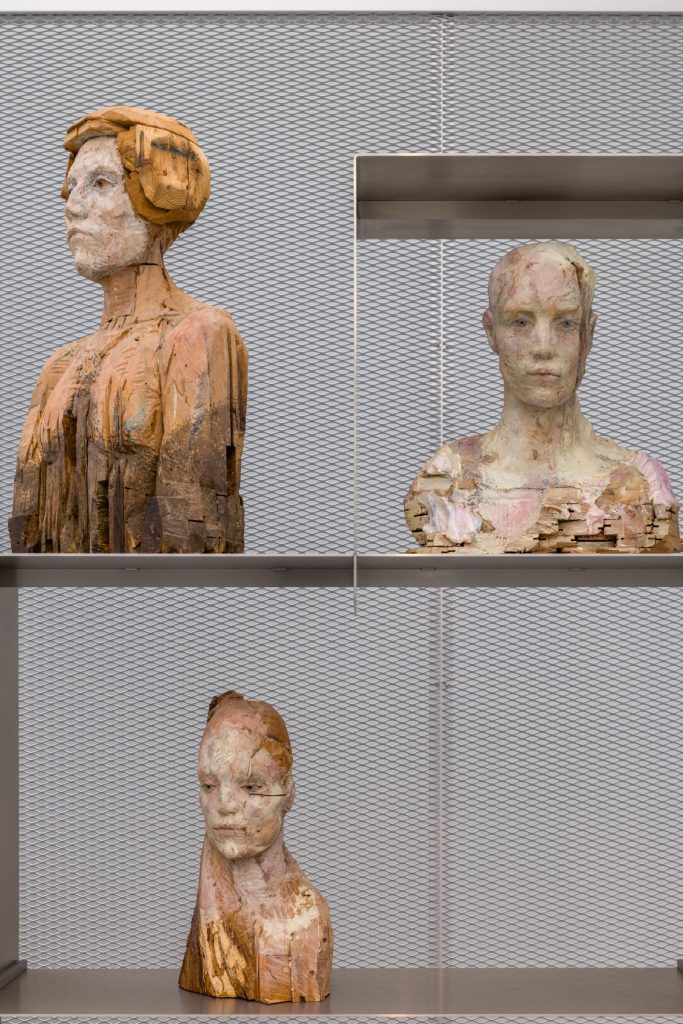
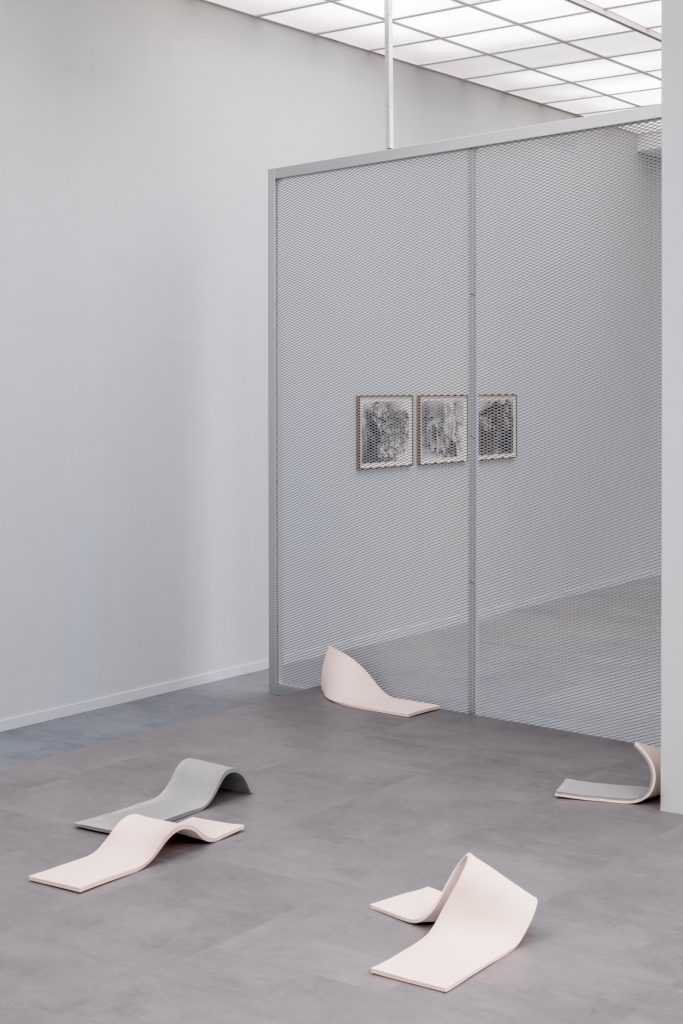
Sophie Uchman shows objects in unglazed fired clay. She bends, twists and reshapes the material to test how far it can go while still holding itself up. The marks of her work stay visible, so the pieces look stable and fragile at the same time.
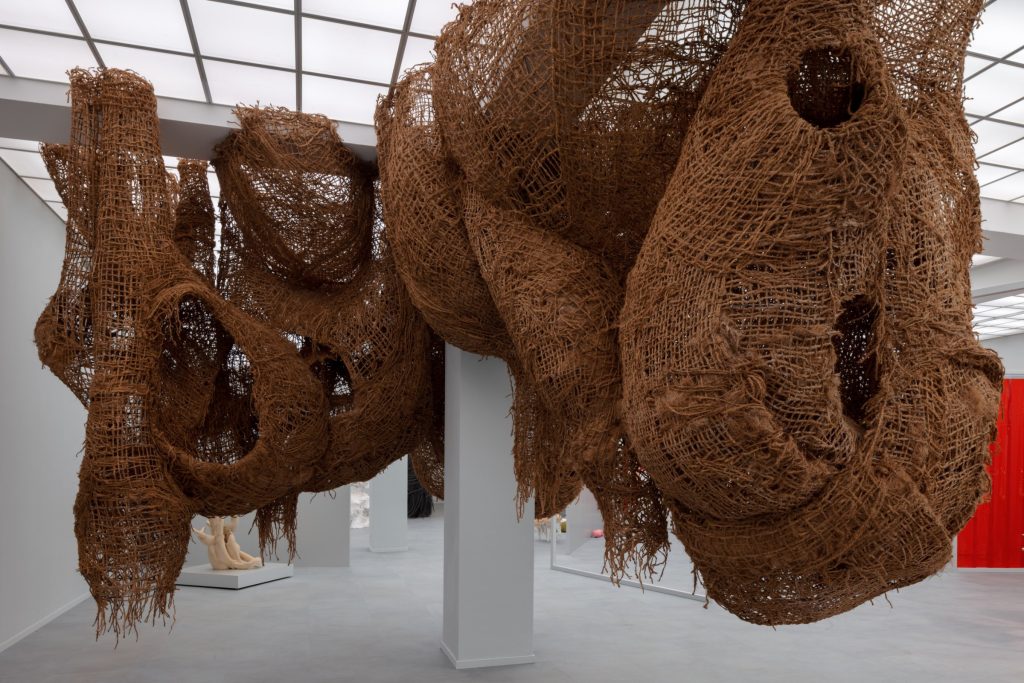
Agnes Lammert’s Murmuration hangs freely in the space. It is made of welded steel wire and coconut fibre fabric, built from many linked hollow forms. Hornets’ nests and the shared nests of weaver birds were its starting point. The title, in turn, names the flocking flight of starlings.
Tables, ruins and neon
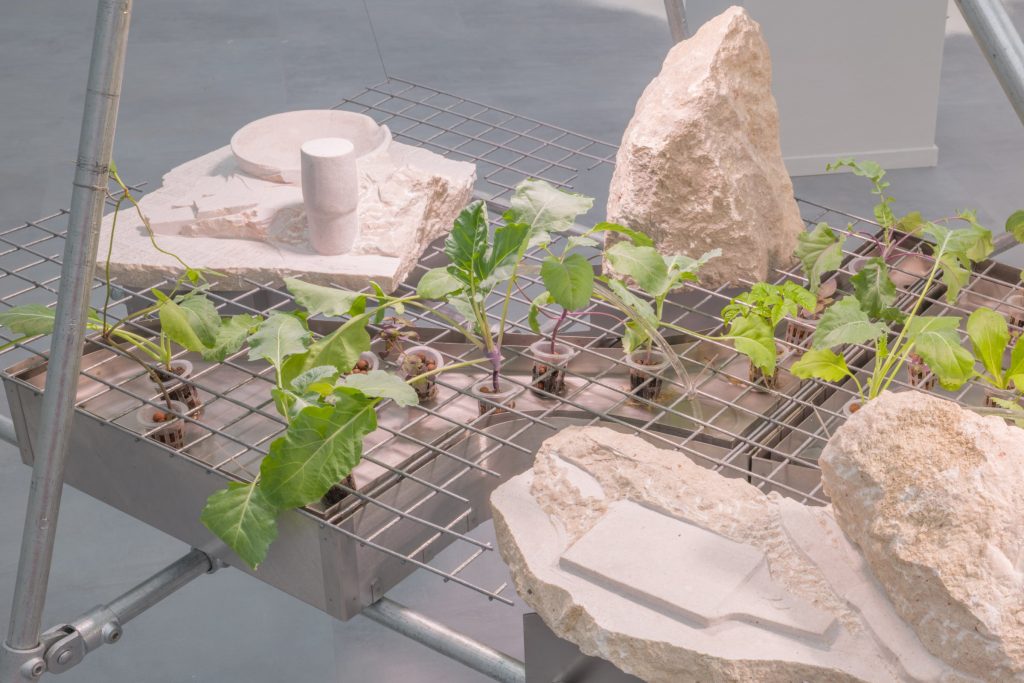
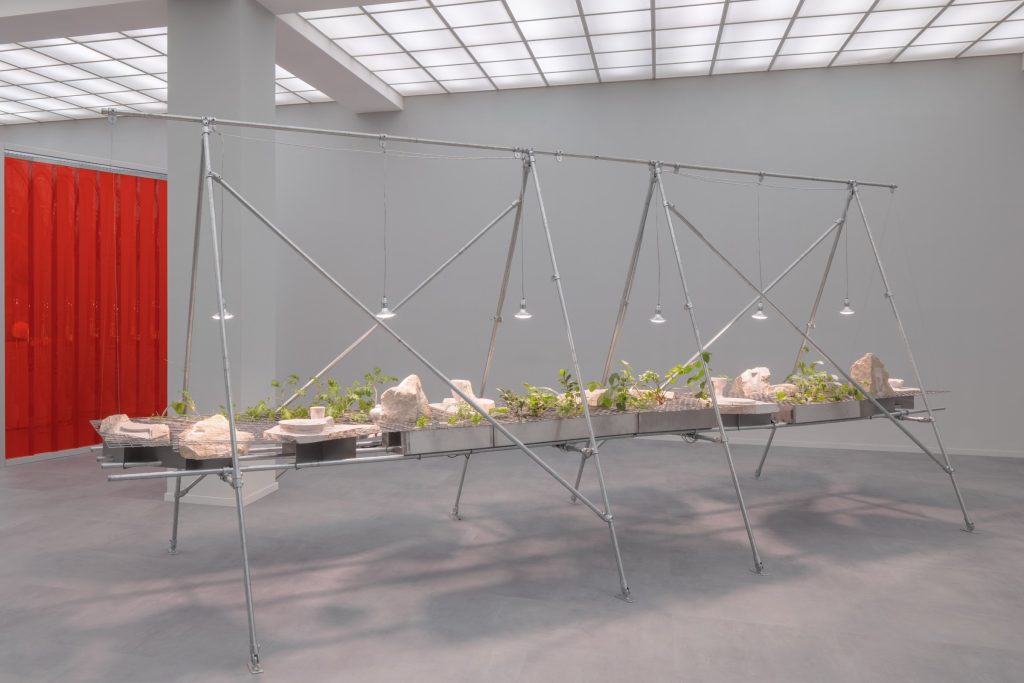
Lucy König has built a table-like structure from galvanised steel tubing and stone. Next, fragments of table settings are set into the stone surfaces. Between the stones, herbs and vegetables grow in stainless steel basins under grow lights. For König, the laid table is a place of encounter, habit and shared time.
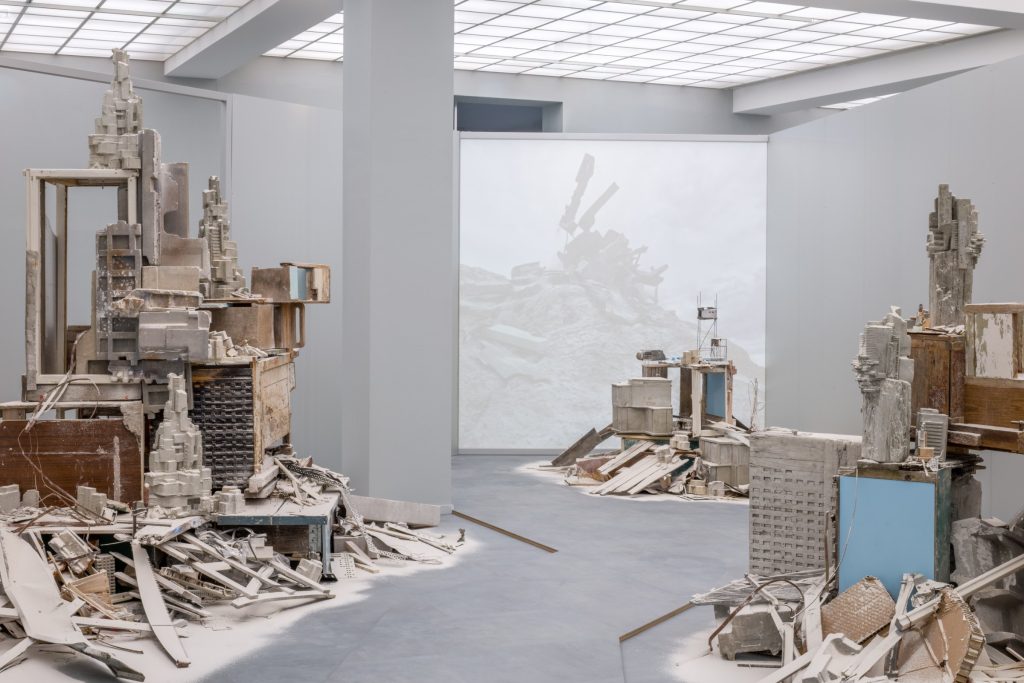
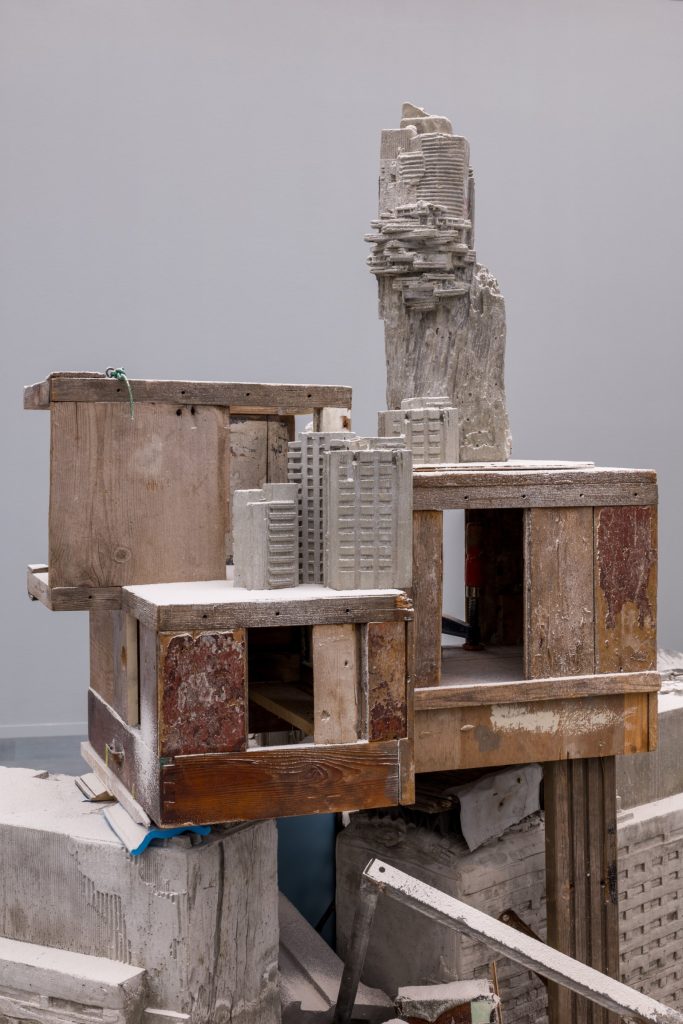
Wibke Rahn draws on her scientific background to look at how people change landscapes. Since 2019 she has turned found industrial scrap into collages, then into concrete casts, and finally into sculptural landscapes. The work on show, Entropy, belongs to this series.
Plaster, foam and neon
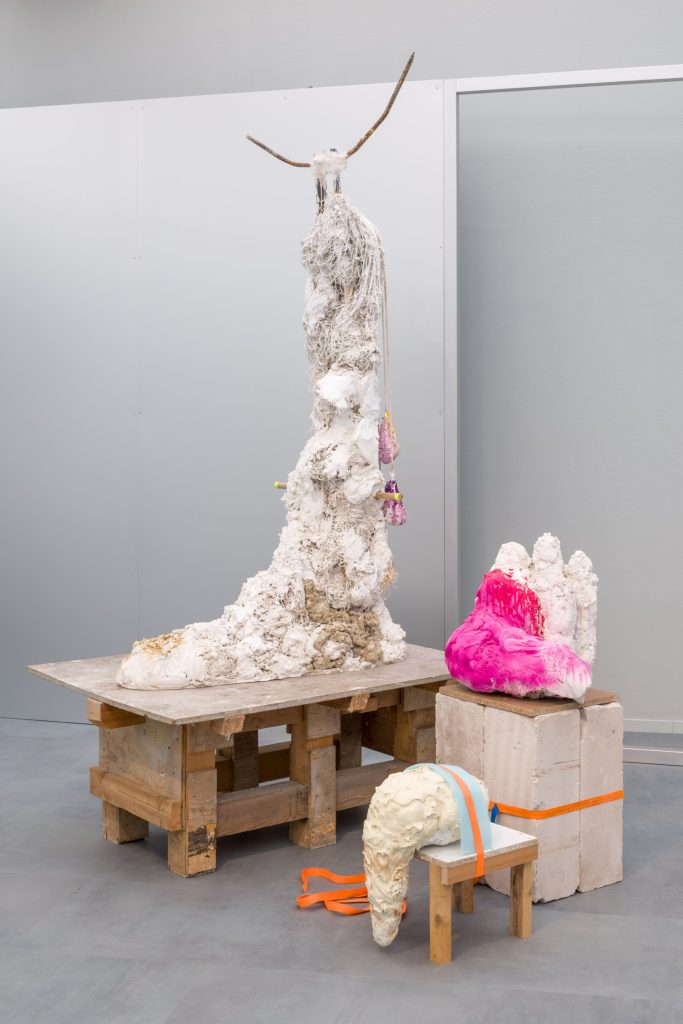
Elisabeth Howey first trained in dance. Her sculptures of plaster, wood wool and found materials have surfaces that evoke plants, fur, nests or small landscapes. Butoh, a Japanese dance form, gave important impulses to this body of work, which she has expanded since 2018.
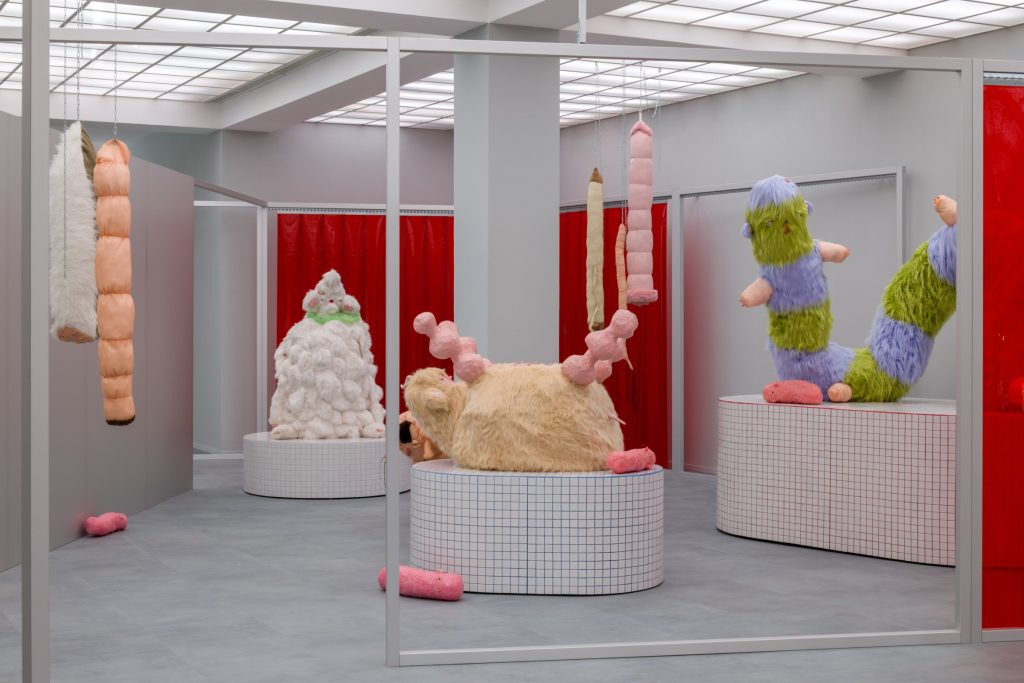
Theresa Rothe has made a walk-in installation of tiles, curtains and platforms. Its figures are made from steel, wire, expanding foam, silicone, synthetic hair and textiles. Some seem soft and inviting, whereas others seem strange or distant.
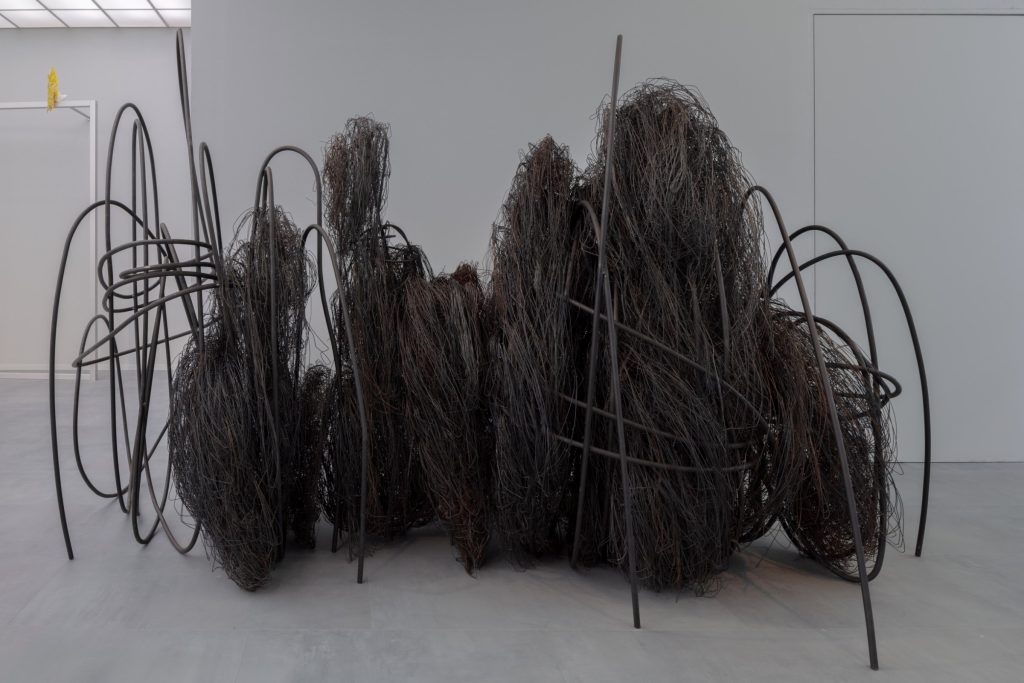
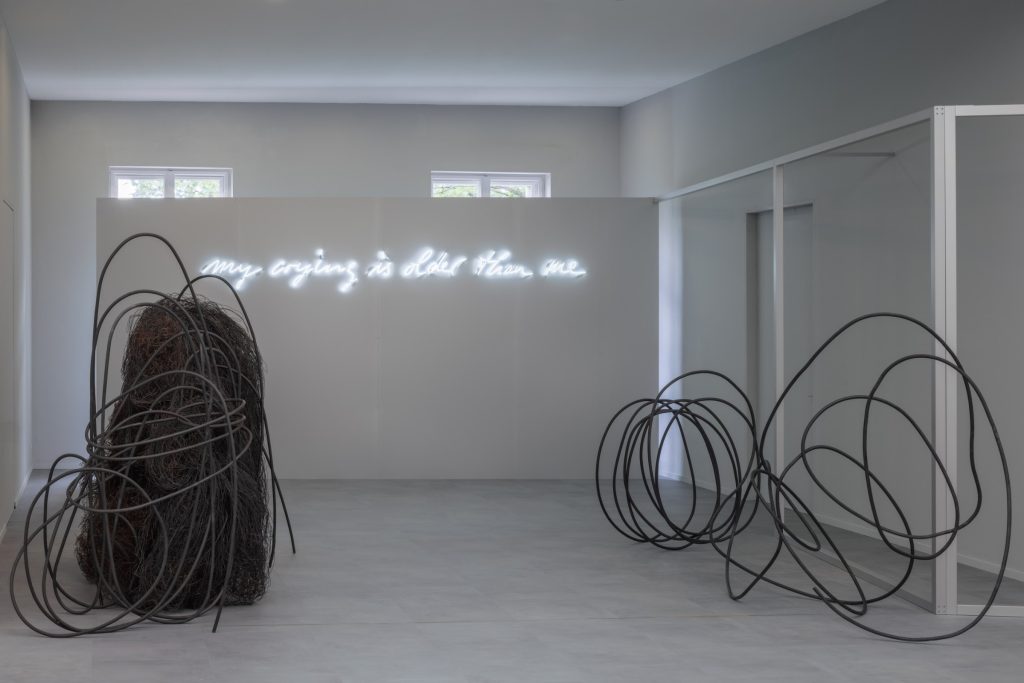
Enne Haehnle reuses the materials of her site-specific works once they are dismantled. For this show, she presents sculptures in forged steel, black annealed wire and white neon glass. In they, lines of steel and wire thicken into a drawing in space. Meanwhile, the neon my crying is older than me glows as a sentence on the wall.
Artist: [ materialistin ] / @materialistin
Photography: Jacopo La Forgia, Kay Zimmermann
Location: Hamburger Bahnhof – Nationalgalerie der Gegenwart, Invalidenstraße 50, Berlin, Germany