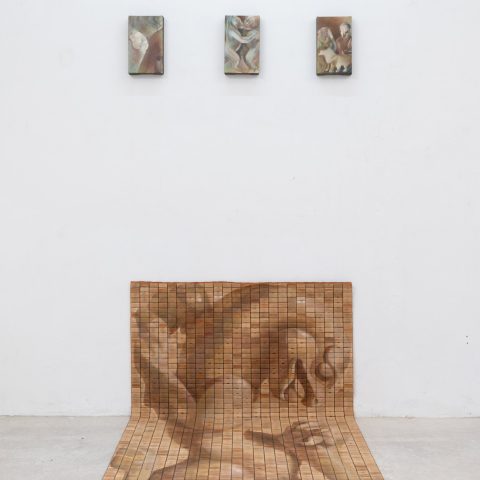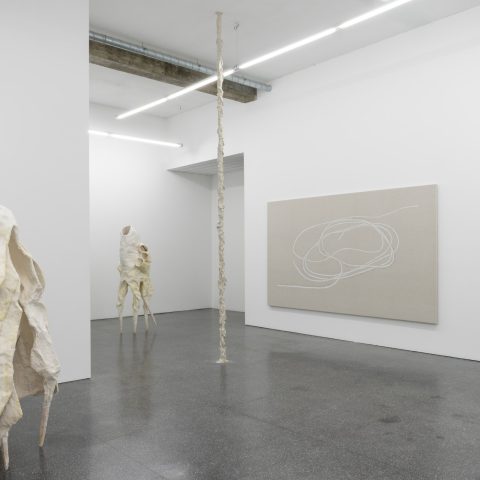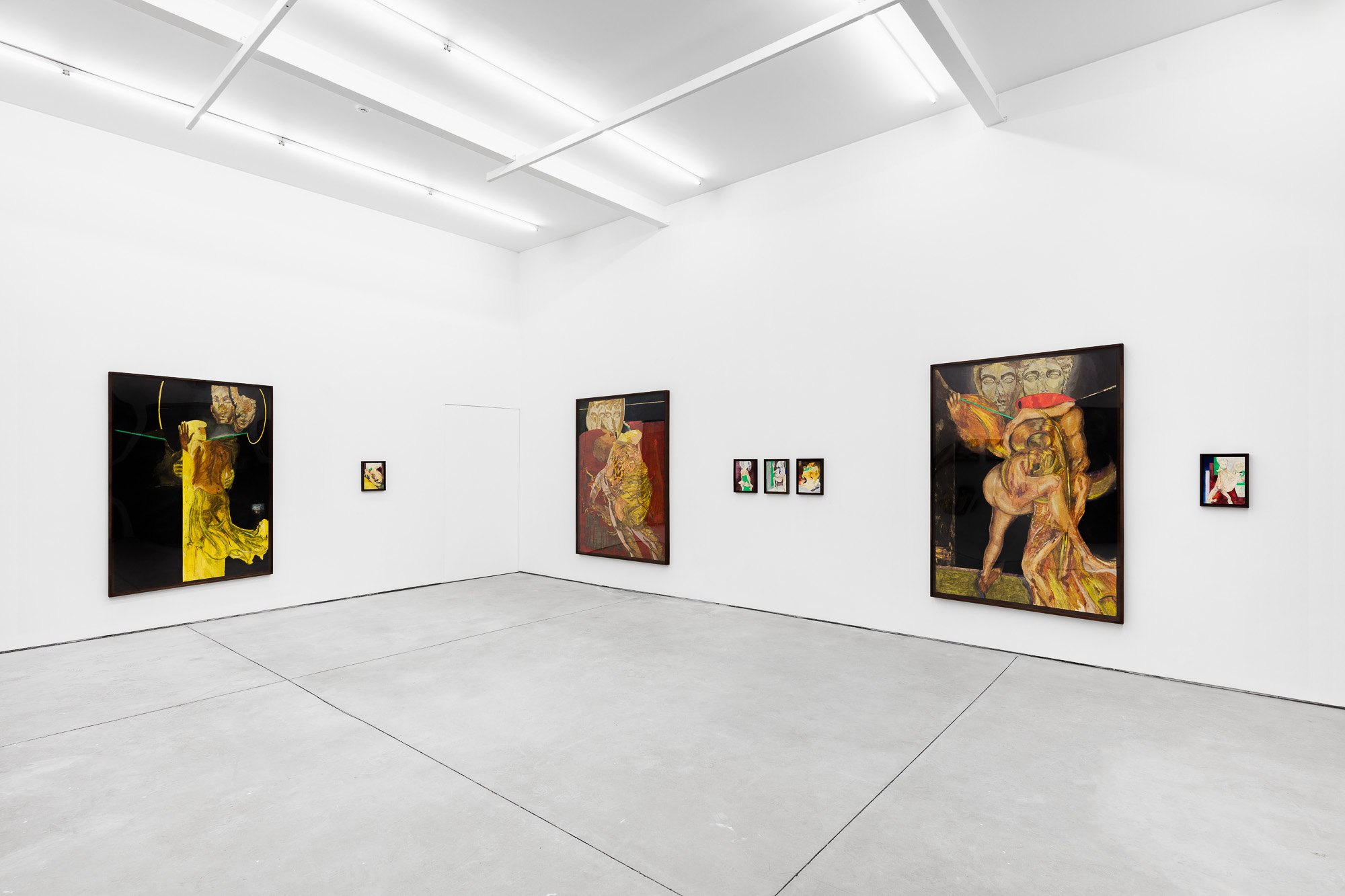
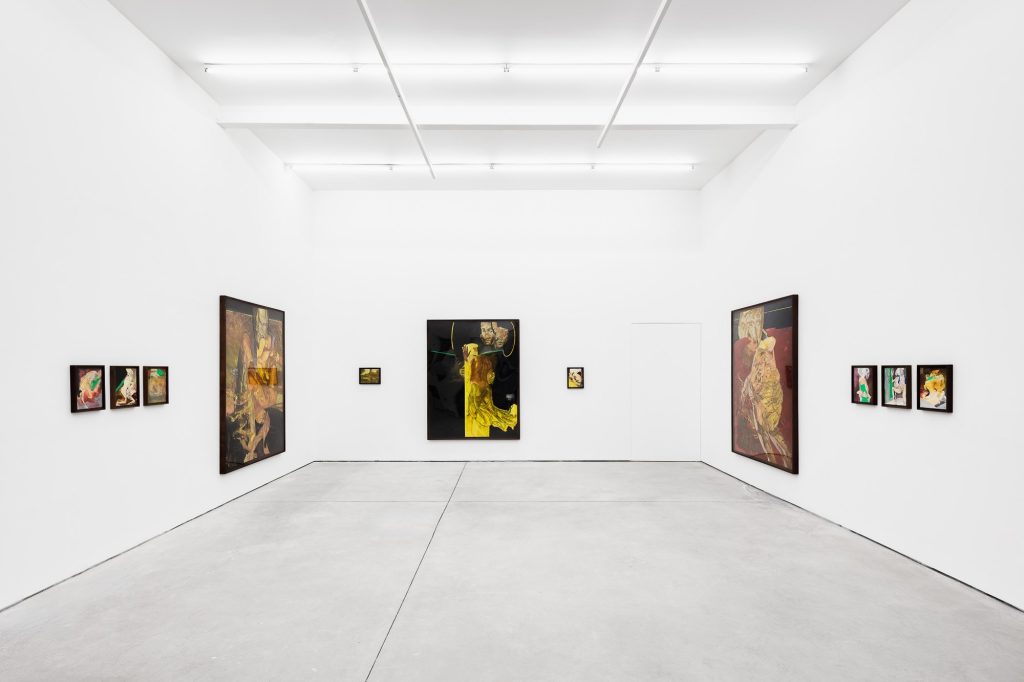
The Inevitable Condition brings recent paintings by Natacha Martins to Múrias Contemporary Art Projects in Lisbon, from 18 October to 19 December 2026. Bruno Múrias curated the exhibition. Friedrich von Falkenstein wrote its accompanying text, Revisiting the Villa dei Misteri.
Many times at once
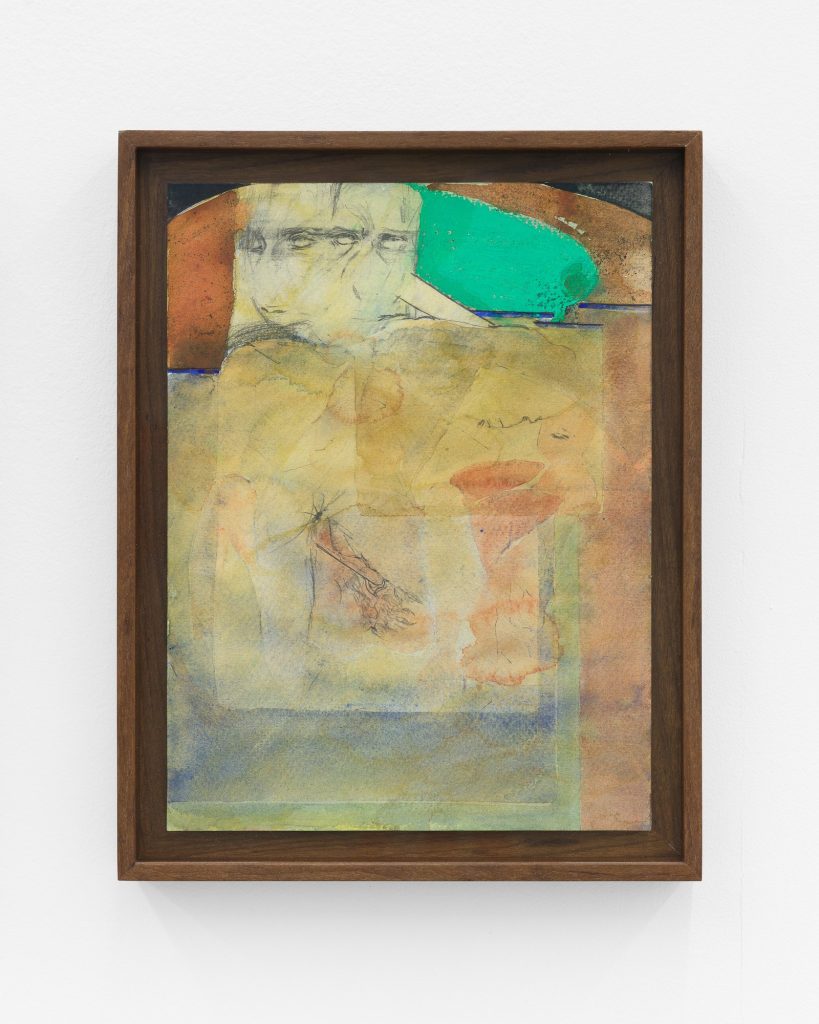
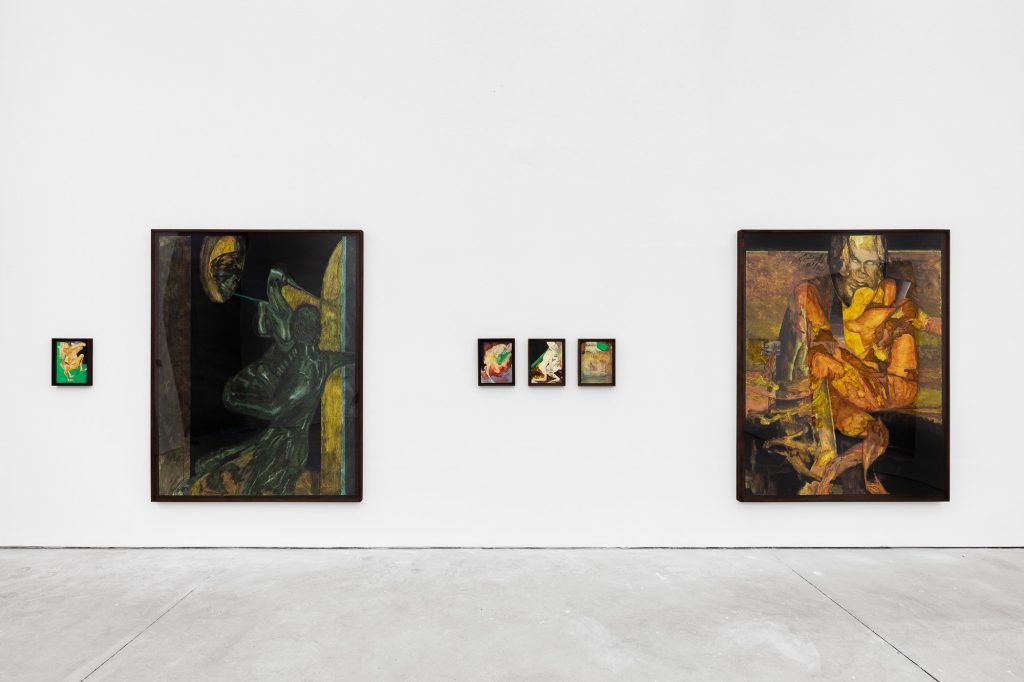
Falkenstein reads the paintings through time. In the large works of Natacha Martins, he writes, time no longer arrives from a single point. Instead, several periods meet on the same surface. One head may recall an Egyptian head, another a Mannerist or Baroque figure, while some bodies carry the violence of Expressionist painting. For Falkenstein, these fragments act as slices of time that relate to one another and build a new imaginary space.
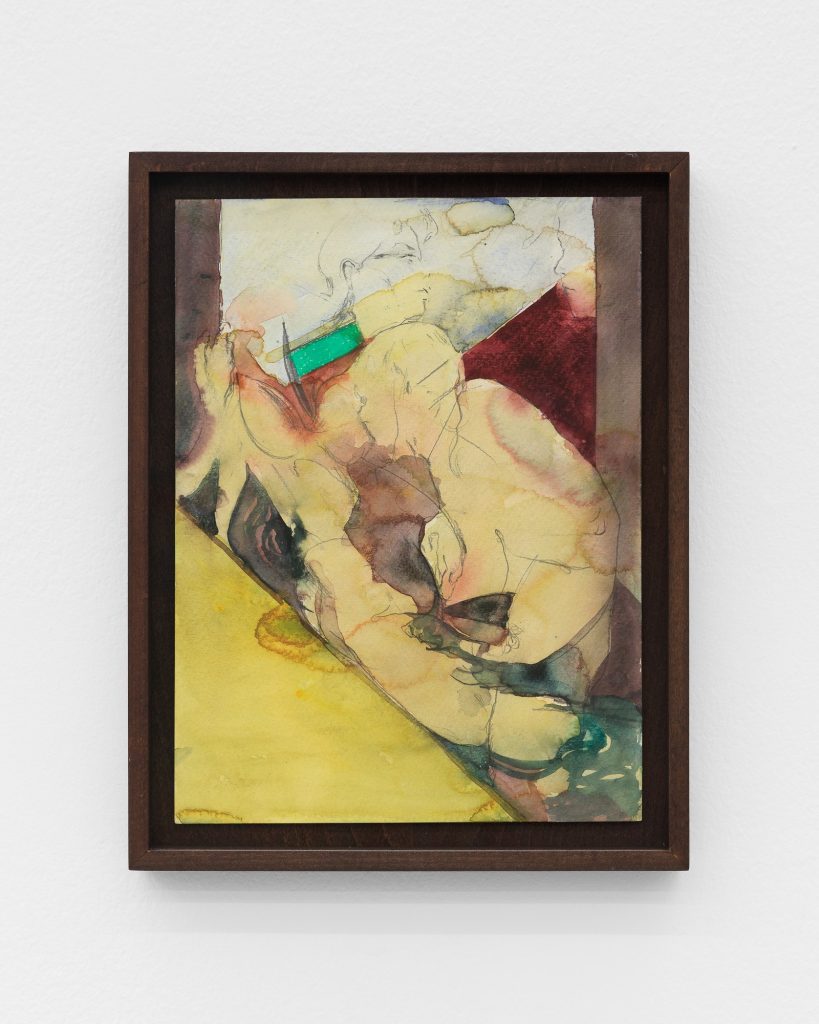
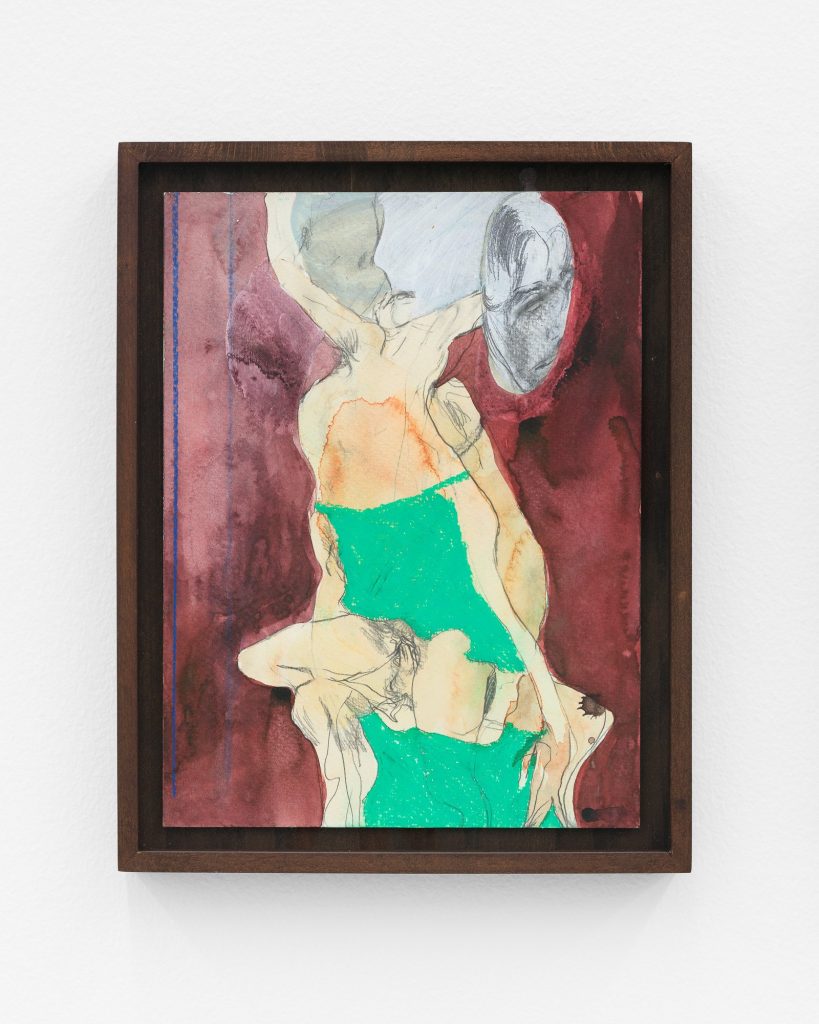
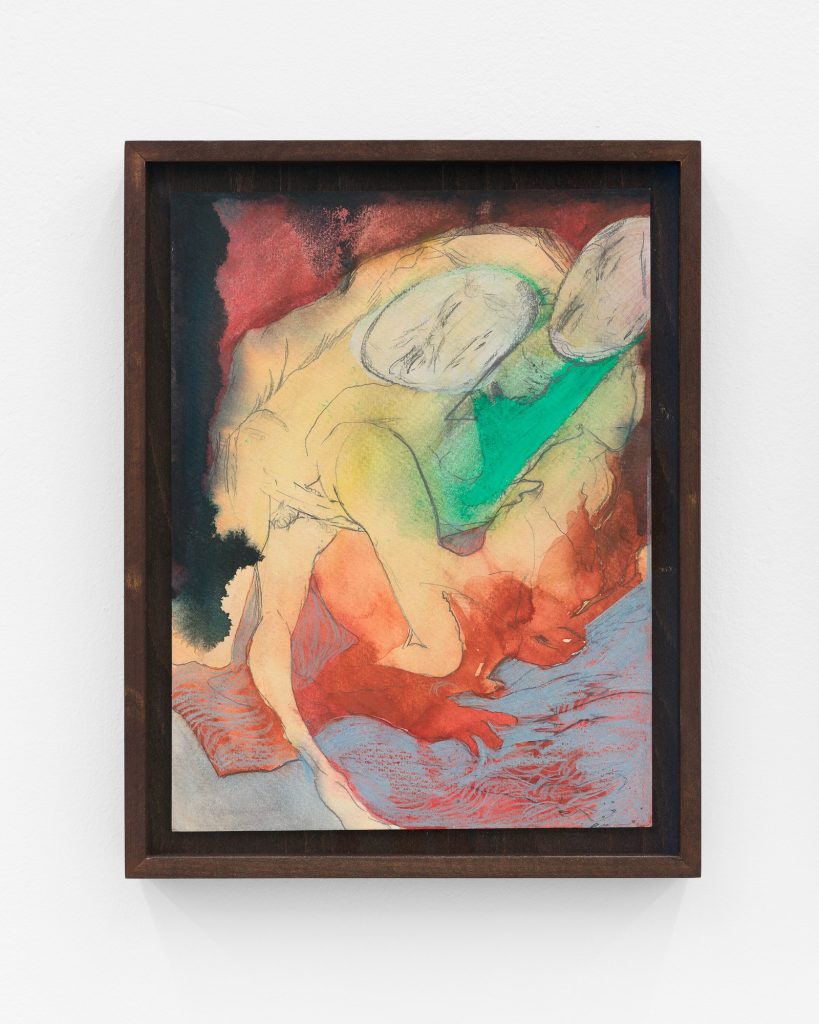
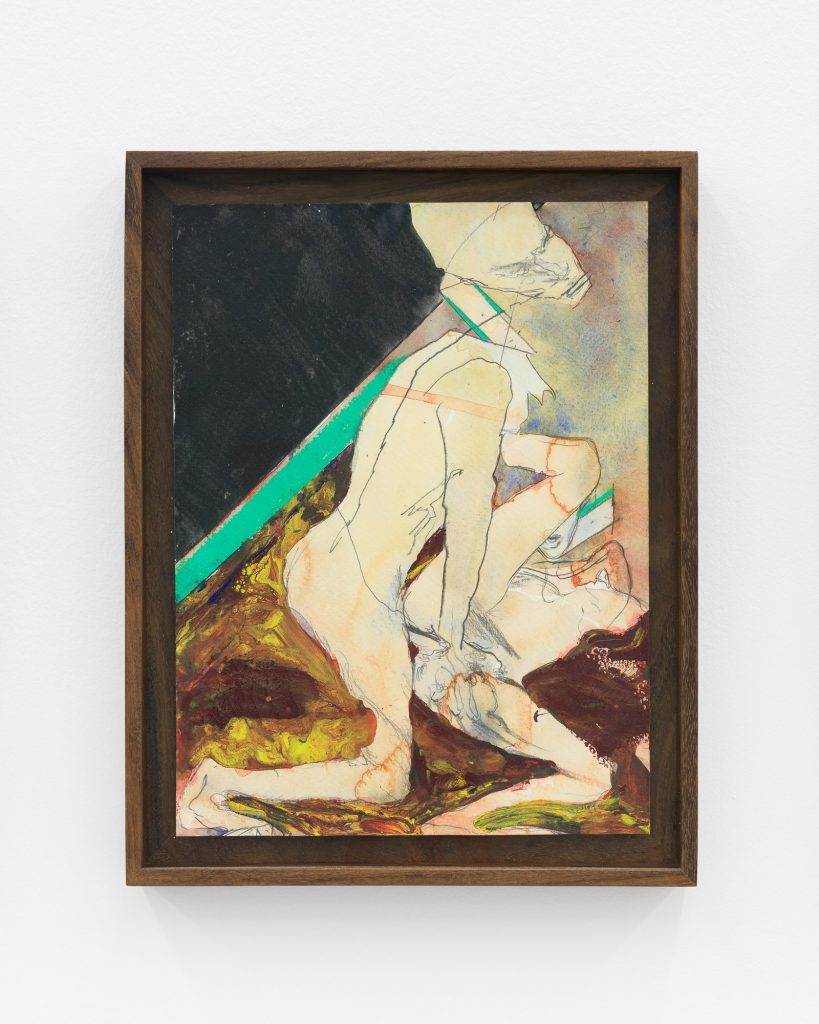
Space changes with them. The paintings move away from the flat picture plane and from perspective, and open onto concave and convex spaces that hold many planes at once. Martins still works with figures, bodies and gestures. However, her shifting treatment of time and space brings a strong sense of abstraction into that figuration.
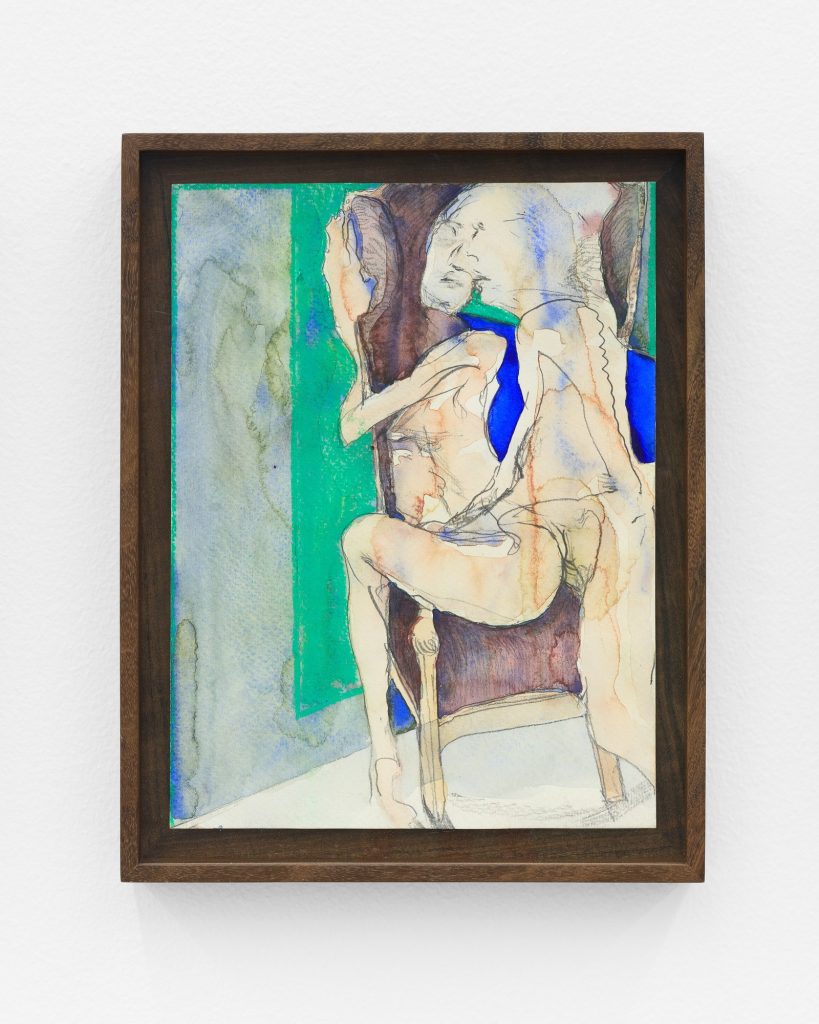
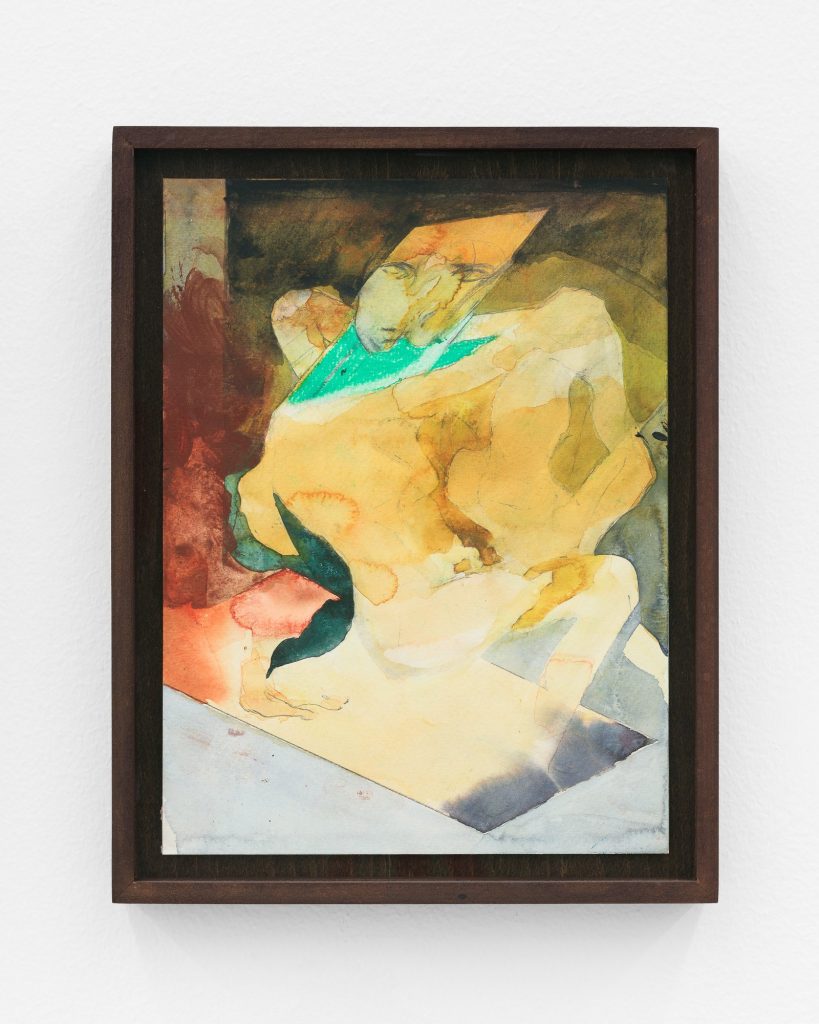
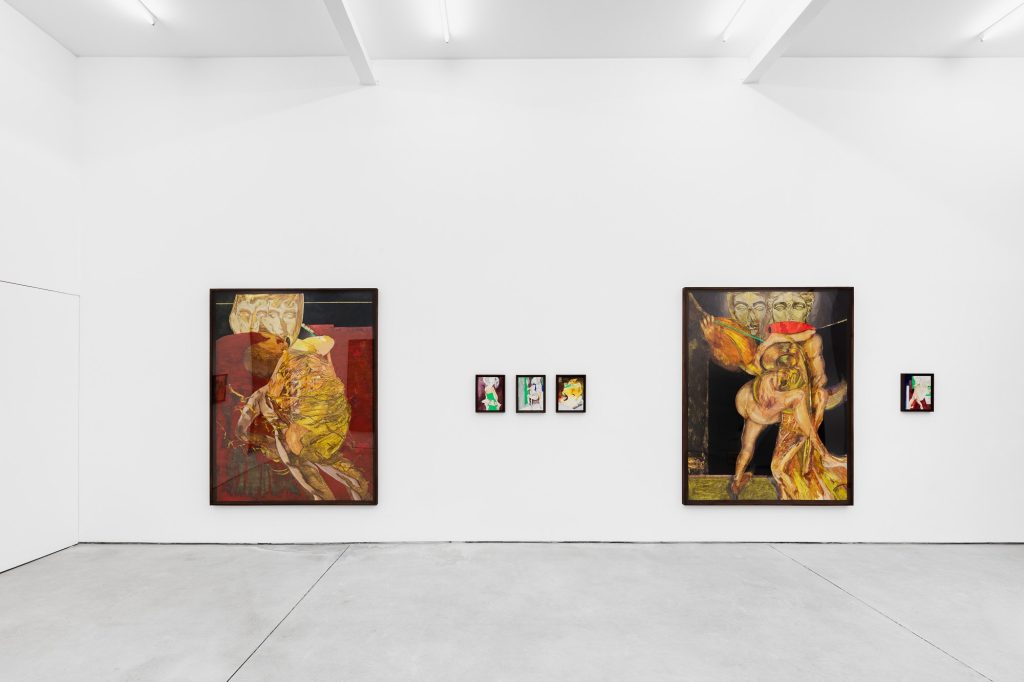
How Natacha Martins paints bodies in contact
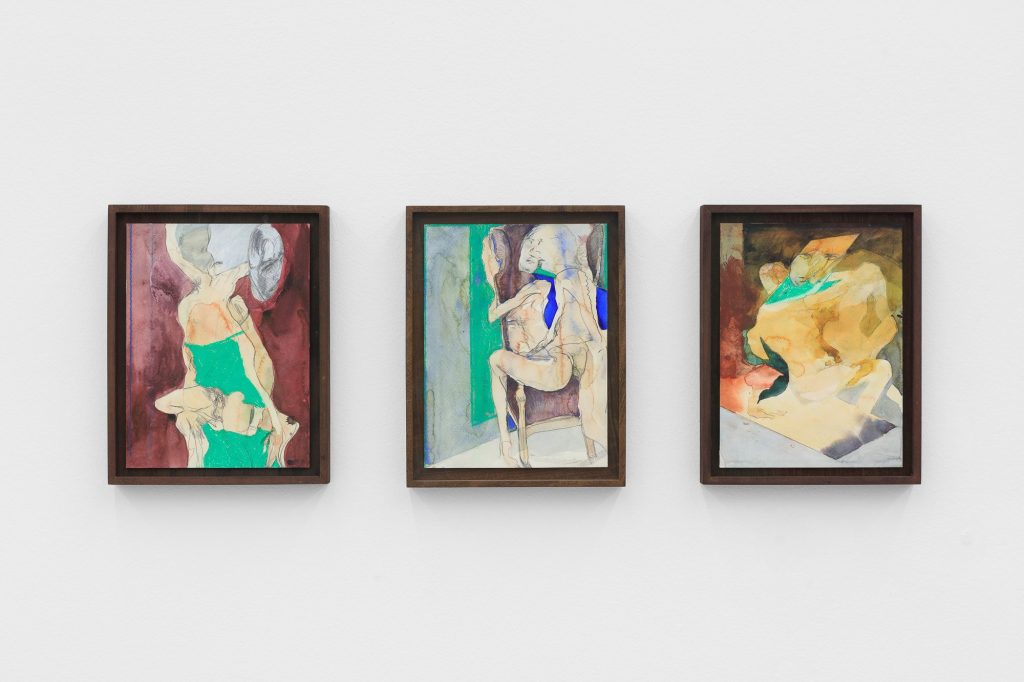
Bodies sit at the centre of the recent works: female and male, statuesque, caught in gestures and positions. They meet through hints of erotic and amorous intimacy, or through contact that almost resembles dance, approaching and withdrawing. Falkenstein suggests that they may come from different times and spaces, and still reach one another.
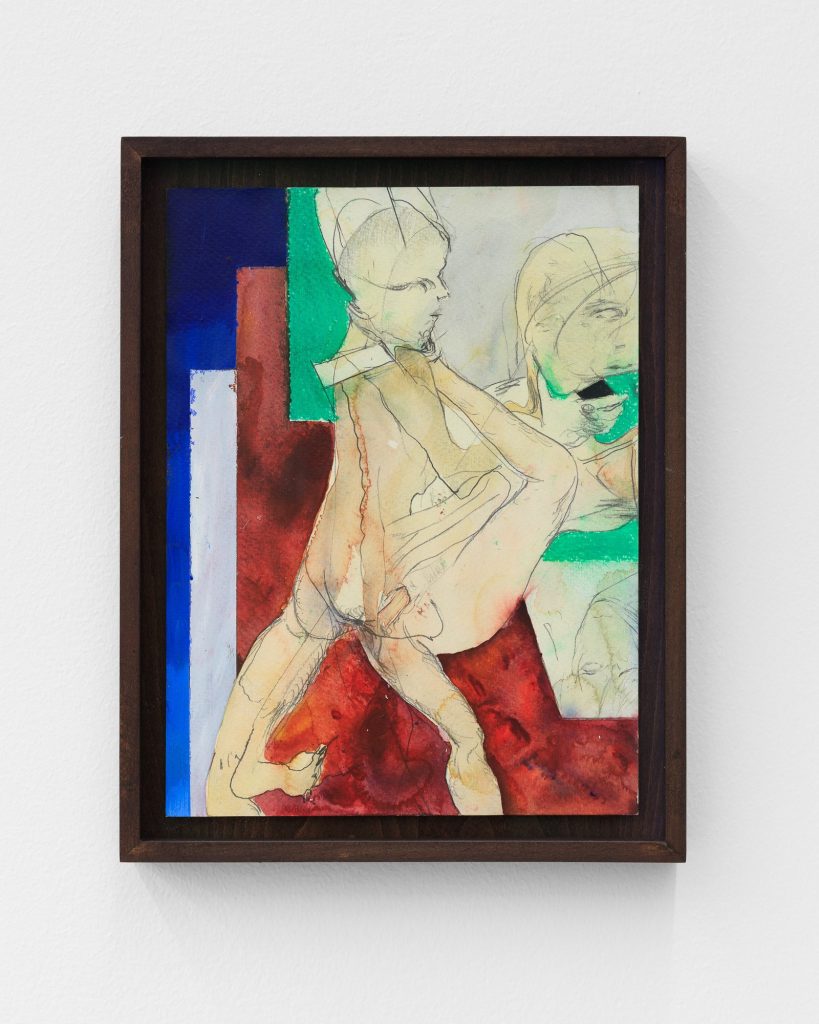
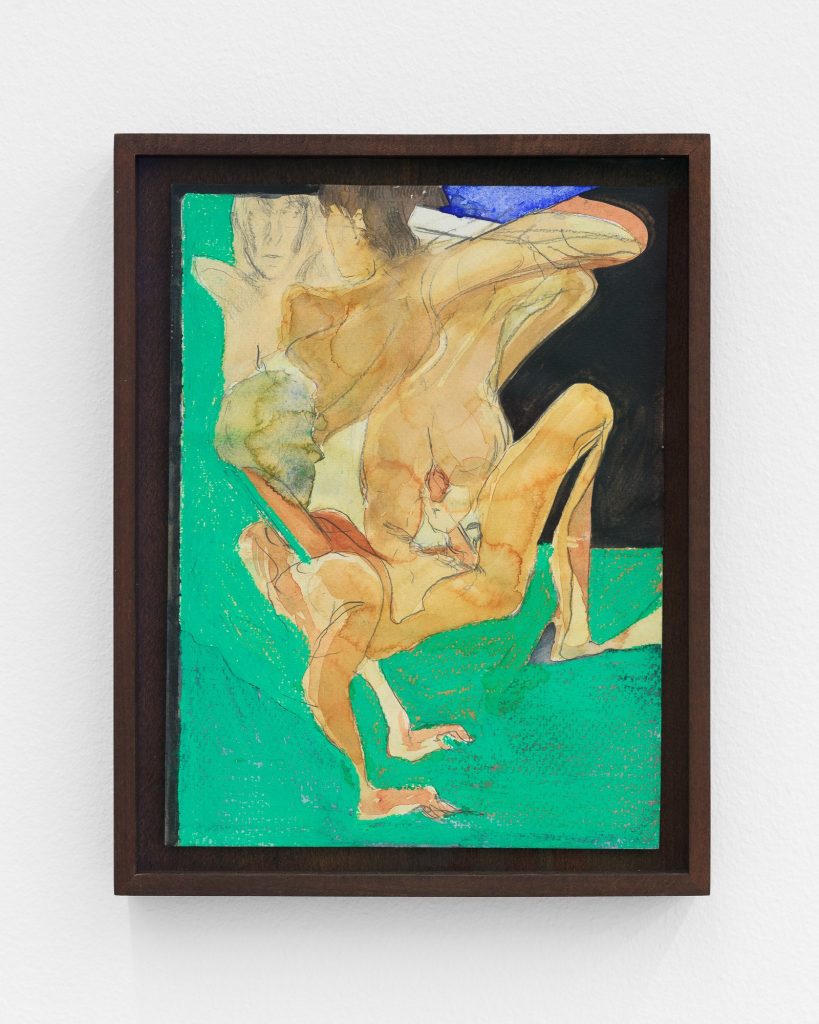
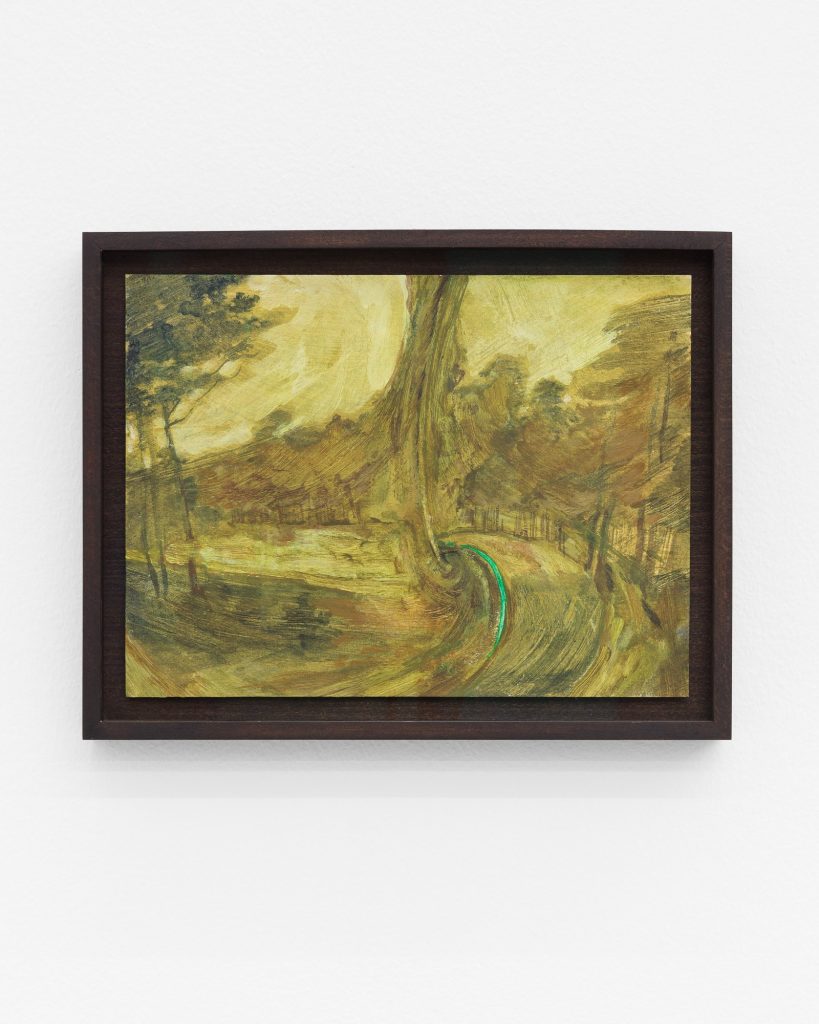
The essay places Martins in a lineage of expressive painting. It names Francis Bacon as a reference in her work, sees an echo of Egon Schiele in the contortion of her figures, and finds the legacy of Chaim Soutine in her landscapes. In those landscapes, too, a sense of dislocation runs through the scene.
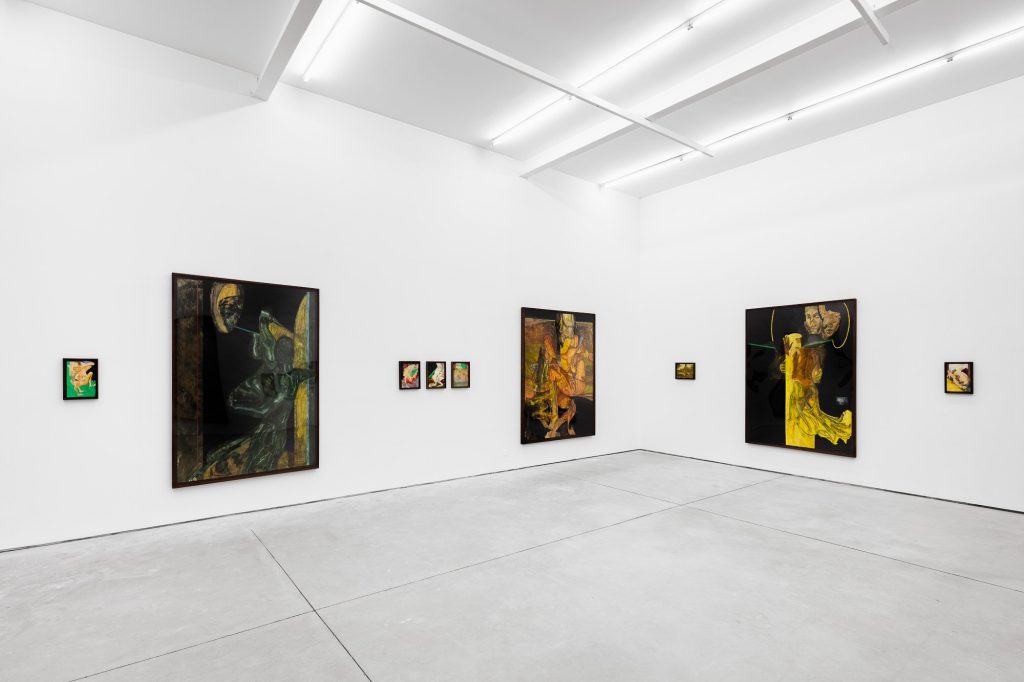
In the large paintings, Falkenstein also sees a dialogue with ancient Roman painting. He closes his text on the frescoes of the Villa dei Misteri in Pompeii, where figures stage what look like initiation rites.
An animal gaze
In unpublished notes on her paintings, Natacha Martins describes what she calls an animal gaze. The work, she writes, must hold within itself an animal gaze able to face its counterpart, the animal spectator, and leave them between seduction and hesitation. For her, this alignment of body and gaze is a key at the moment of painting, when the painter enters the work almost as its own ideal viewer.
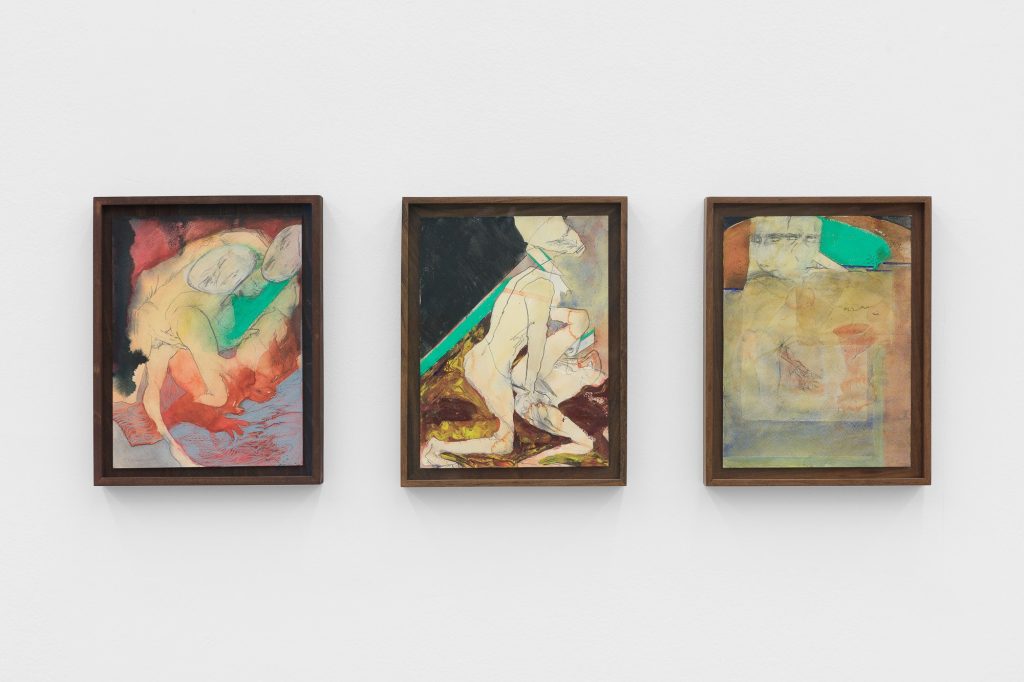
Artist: Natacha Martins / @martinsnatacha
Photography: PhotoDocumenta / @photodocumenta
Location: Múrias Contemporary Art Projects / @galeriabrunomurias, Rua Capitão Leitão 10-16, Lisbon