The Walker Art Center in Minneapolis has opened its first Walker Design Triennial. Titled Beyond Materialism and guest-curated by Joseph Grima, it runs from 17 October 2026 to 14 February 2027 across Galleries 1, 2, 3 and D/Perlman. According to the museum, it brings together more than 95 works by 26 designers and collectives from 13 countries.
Grima, a Milan-based architect and the founder of Space Caviar, organised the show with Aslı Altay, the Walker’s head of design, communication and content and the triennial’s artistic director. Their premise is that contemporary design is turning away from function, mass production and accumulation. Instead, it is turning toward spirituality, emotional connection and community.
“We live in an age that is conditioned to think that anything and everything can be designed,” Grima told Dezeen. The exhibition, he added, sets out to question the link between design and optimisation.
Historical notes
The first section lays out precedents. A Shaker Side Chair from around 1820 opens the sequence. Next to it is Alessandro Mendini’s Lassù (Up There) from 1974, the documentation of a performance in which he set fire to two identical chairs on pyramidal pedestals.


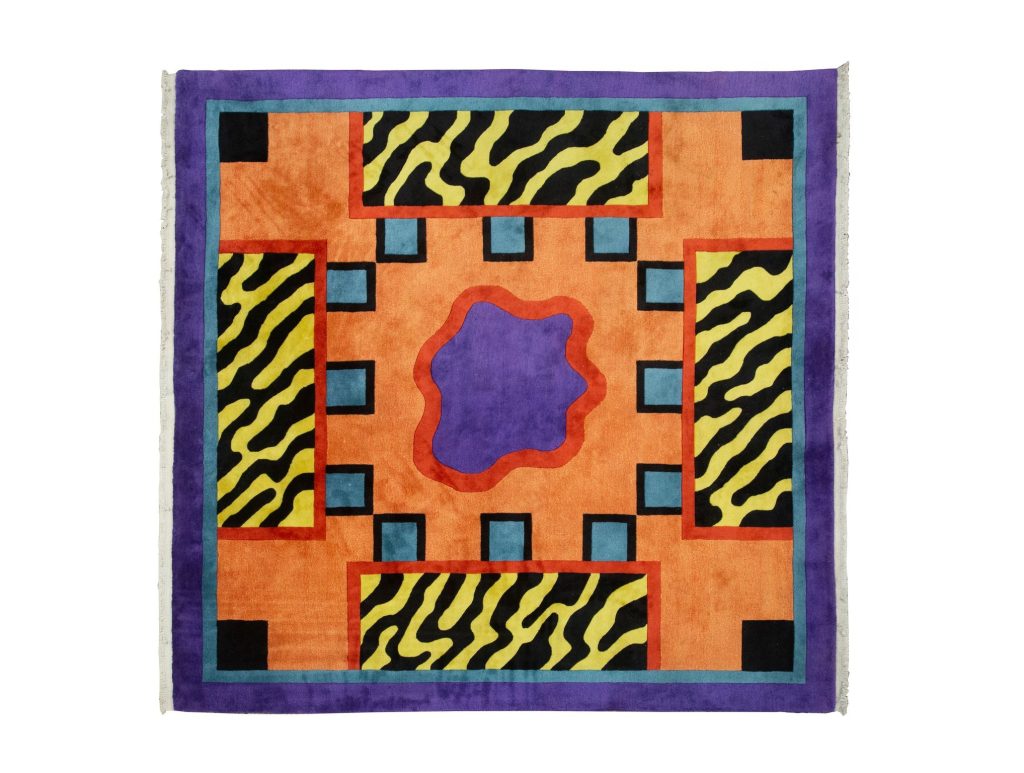
Works by Ettore Sottsass Jr., Buckminster Fuller, Nathalie Du Pasquier and Theaster Gates complete this opening room.
The techno-craftspeople
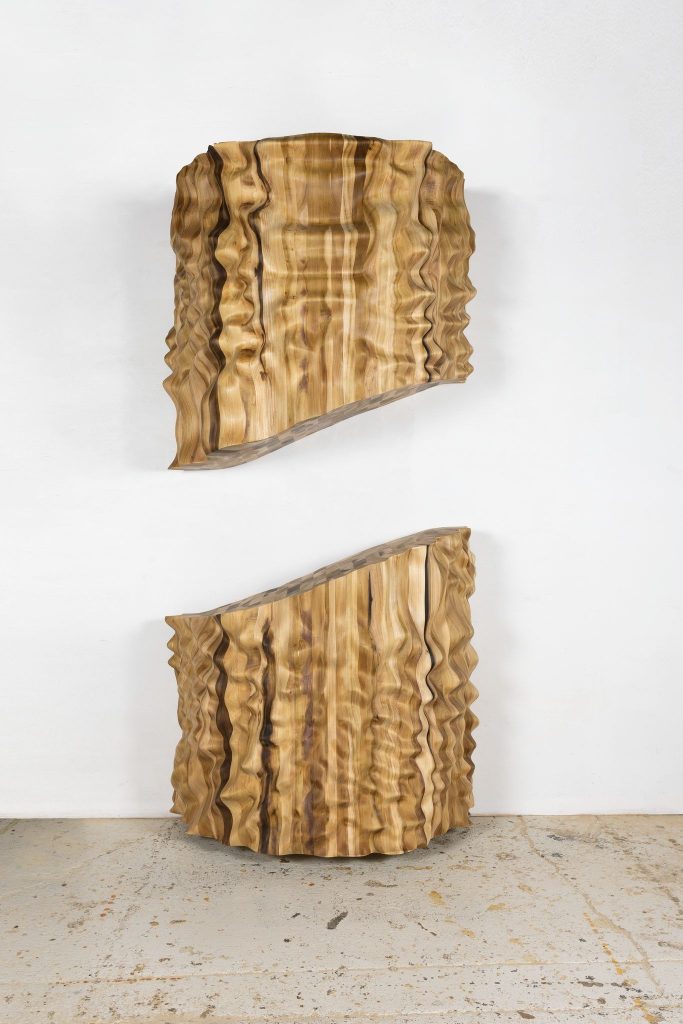
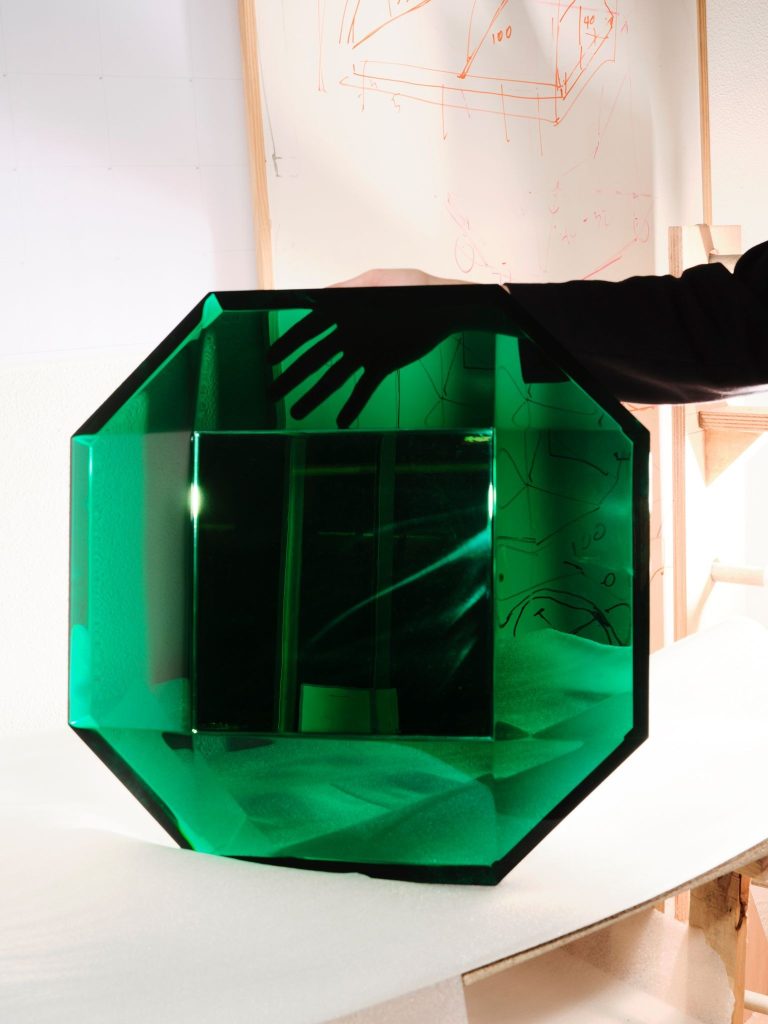
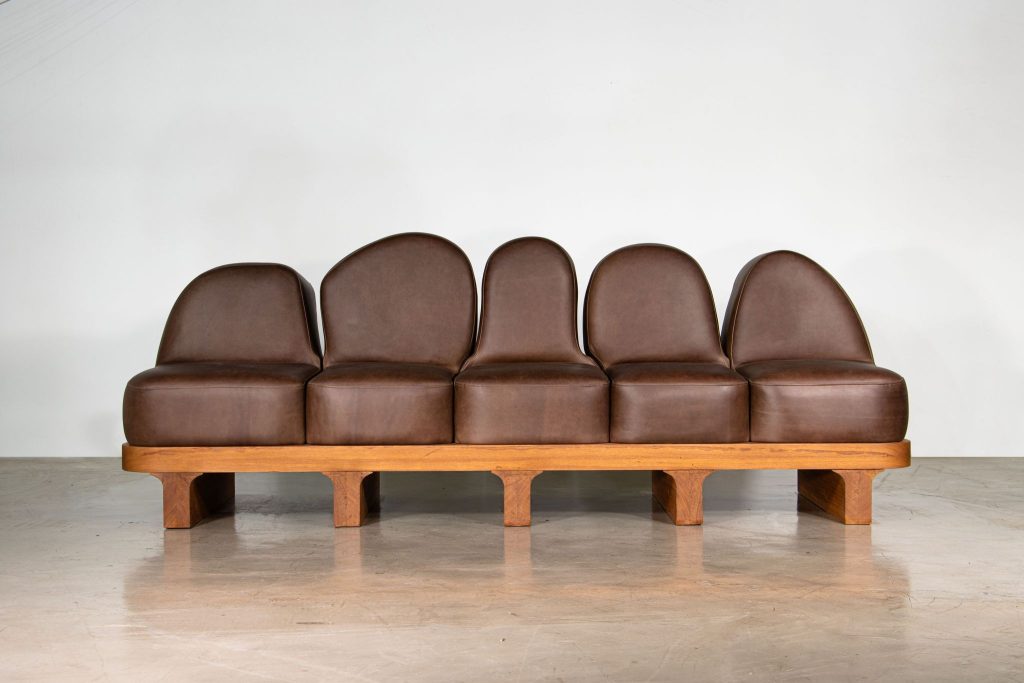
The second section, A New Poetics: The Techno-Craftspeople, gathers designers who work closely with their materials. Germane Barnes shows Migration Column (2024), a carved wooden column that refers to the forced transatlantic passage of enslaved Africans. Kostas Lambridis brings fused before charred (2023), a large dinner table made from a dozen kinds of wood. Meanwhile, Objects of Common Interest’s Diamond Mirror (Green) (2025) takes its cue from a grandmother’s glass ashtray from the 1970s.
Athens studio Astronauts shows inflated metal pieces informed by autobody shops, among them love seats, chairs and a seesaw, according to Dezeen. Stef Fusani, Michael Bennett and WKND Lab also appear in this section. WKND Lab’s contribution is a series of stools made from discarded shells.
Technology, environment, politics
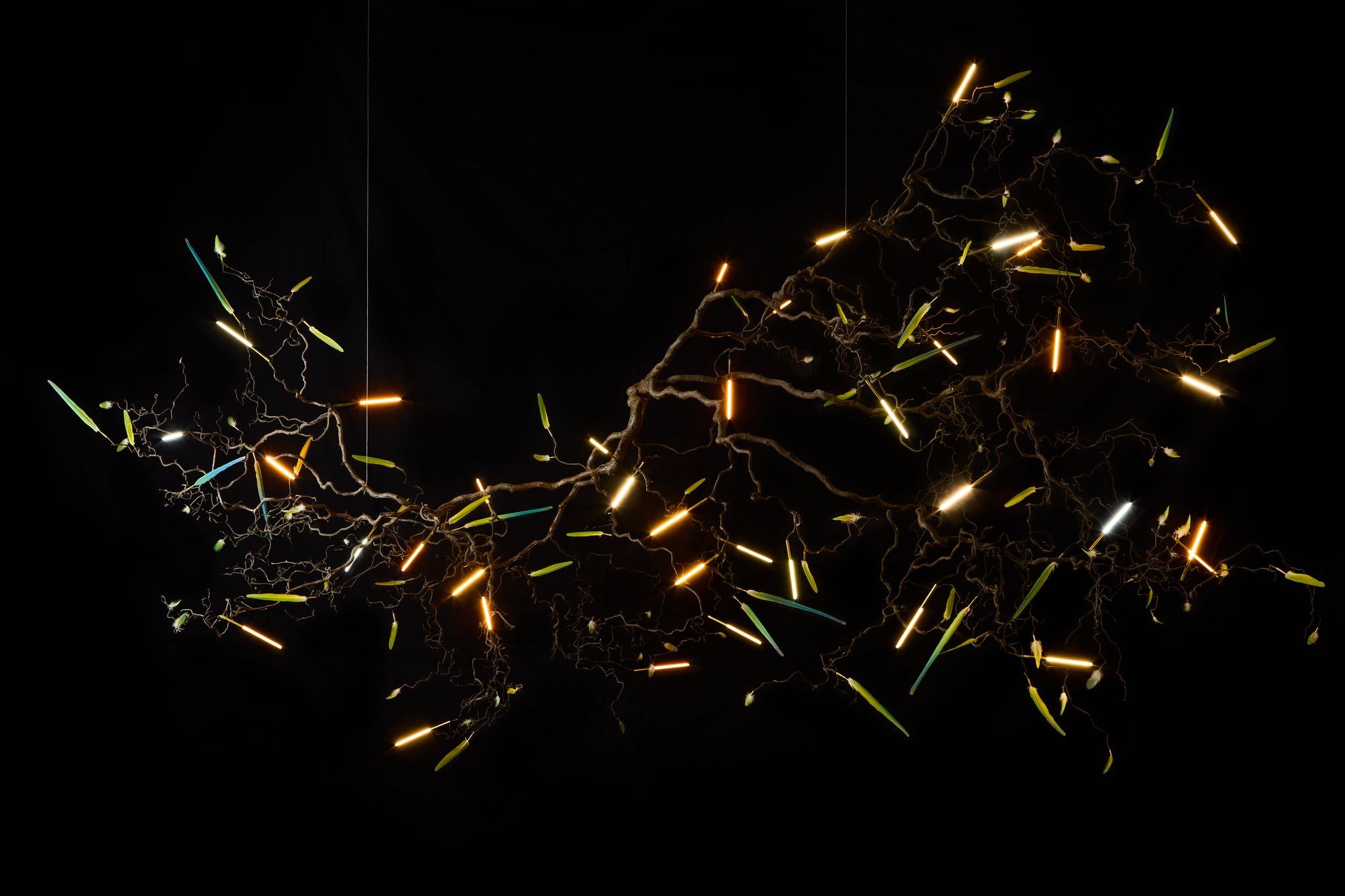
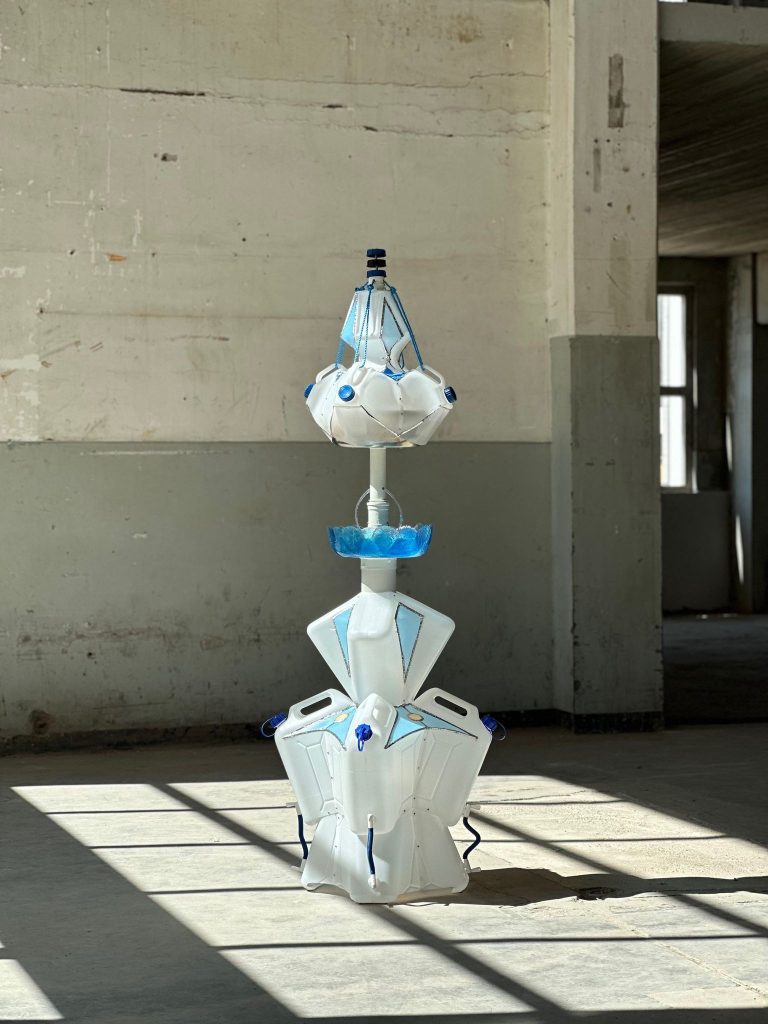
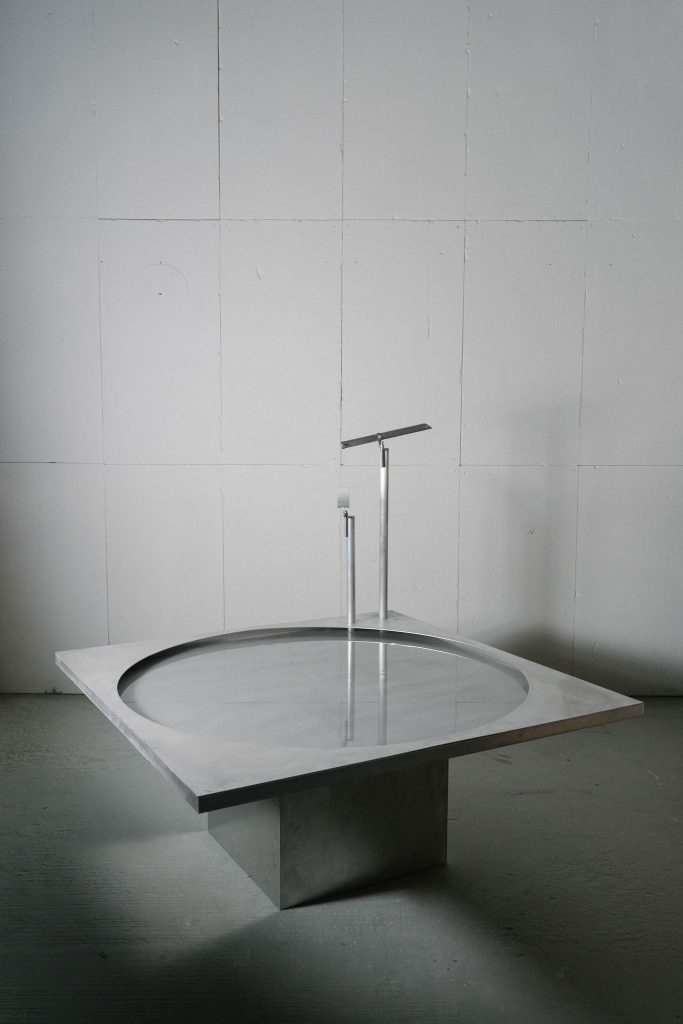
Under the heading Reclaiming Design, Jonghoo Jeong’s System of Atonement (2025) rises as a fountain of plastic jerrycans that recycles its water in a loop. Maximilian Marchesani continues his Famiglia series, begun in 2022, which pairs corkscrew hazel branches with thin LED bulbs. Moon Seop Seo’s Passage to the Lake (2022), for its part, invites a meditation on water.
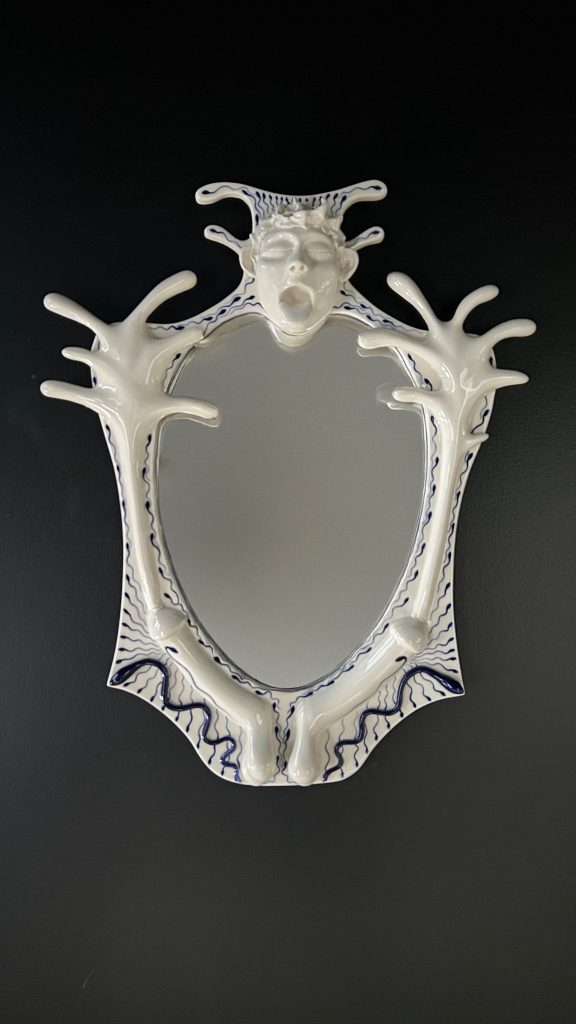
Kevin Quale’s ceramics bring 17th-century Delftware together with queer expression. London studio Superflux shows objects from its Relics of Abundance series. These imagine what a future civilisation, living with scarcity, might make from the things we use today, including a chair of straw and rebar. Christoph Wimmer-Ruelland builds tableaux from surplus goods, while Ananas Ananas and Nifemi Marcus-Bello complete the section.
Two commissions for the final gallery
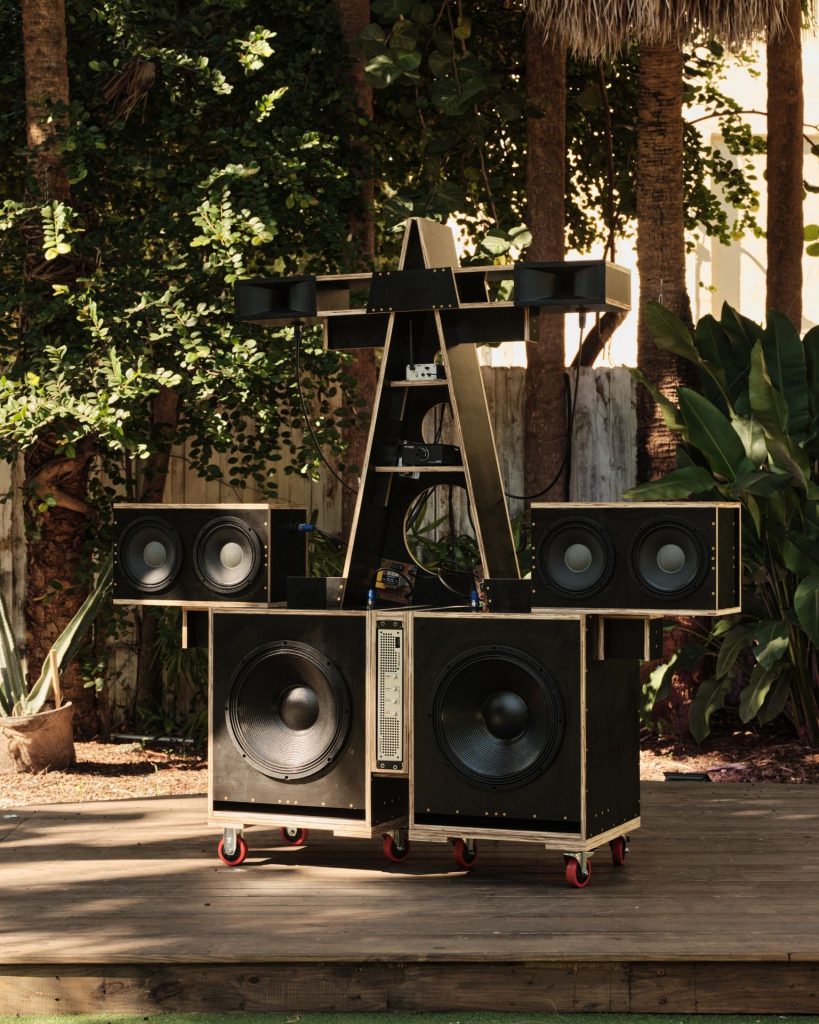
The last section, Ritual and Symbolism, holds two new commissions made with Twin Cities communities. Lucas Muñoz Muñoz’s All Ears collects sounds recorded in Minneapolis in the summer of 2026. Visitors remix the tracks at a soundboard, and several play at once through latex-covered speakers. Muñoz told Dezeen that he wanted the installation to work as a “microphone” for the city.
VESSEL, the practice of Navine G. Dossos and James Bridle, presents Learning to Build, Building to Learn. The project centres on textiles, small-batch fabric and no-waste clothing, and it opens a sewing studio to the public on set dates. According to Dezeen, two large rolls of fabric spool over a kiosk. Their pattern comes from Dossos’s paintings of the home she and Bridle built themselves.
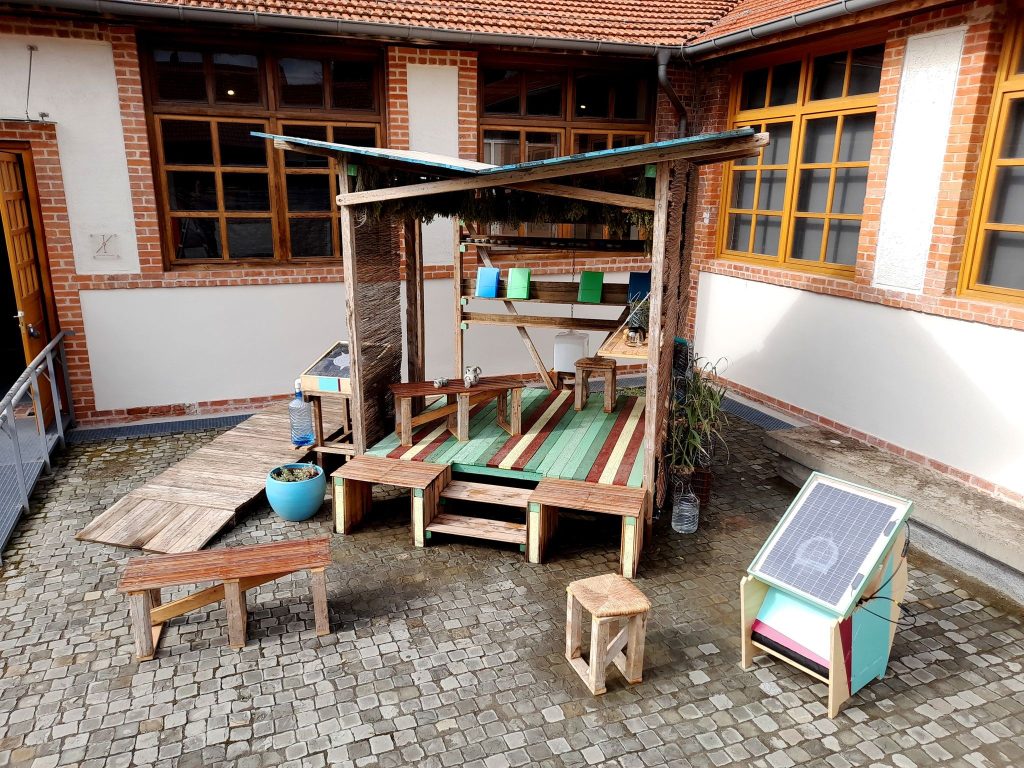
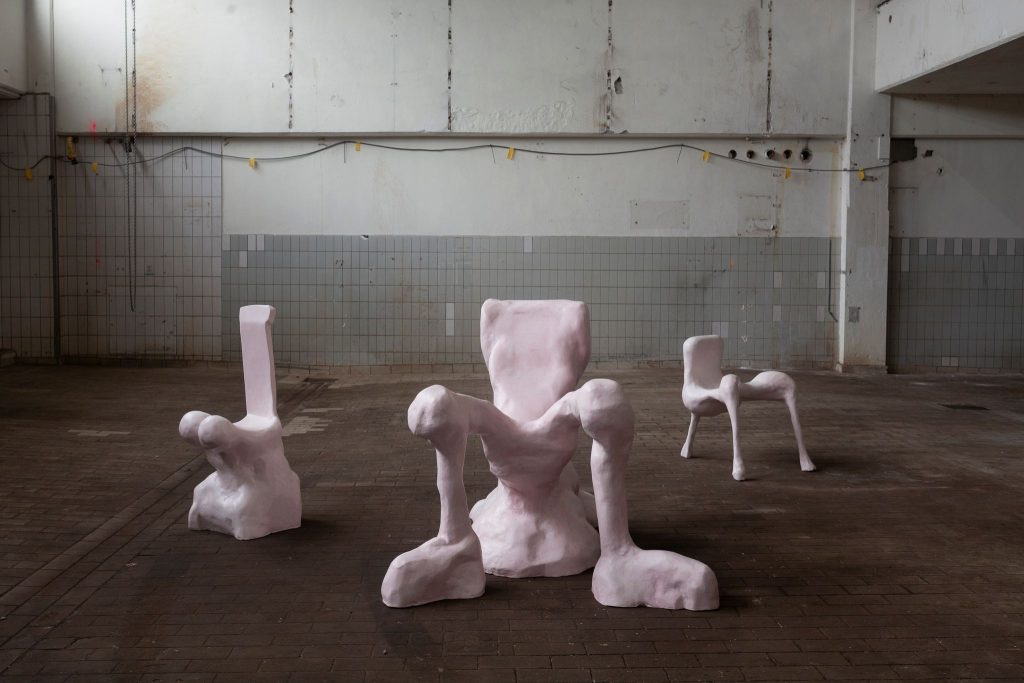
Espace Aygo contributes appliances made from found objects, which Dezeen traces to the studio’s 2022 conversion of a derelict apartment building into a home and art space. Shao-Chun Hsu and Anna Aagaard Jensen also show here. Jensen’s Lady Chairs (2018) are oversized pink chairs in acrylic resin, foam and fibreglass.
Grima described the Walker Design Triennial to Dezeen as an “opportunity to stop, take stock for a moment, and reflect on what design is today”. The museum plans to hold it every three years.
Organiser: Walker Art Center / @walkerartcenter
Photography: courtesy Walker Art Center
Location: Walker Art Center, Minneapolis, United States