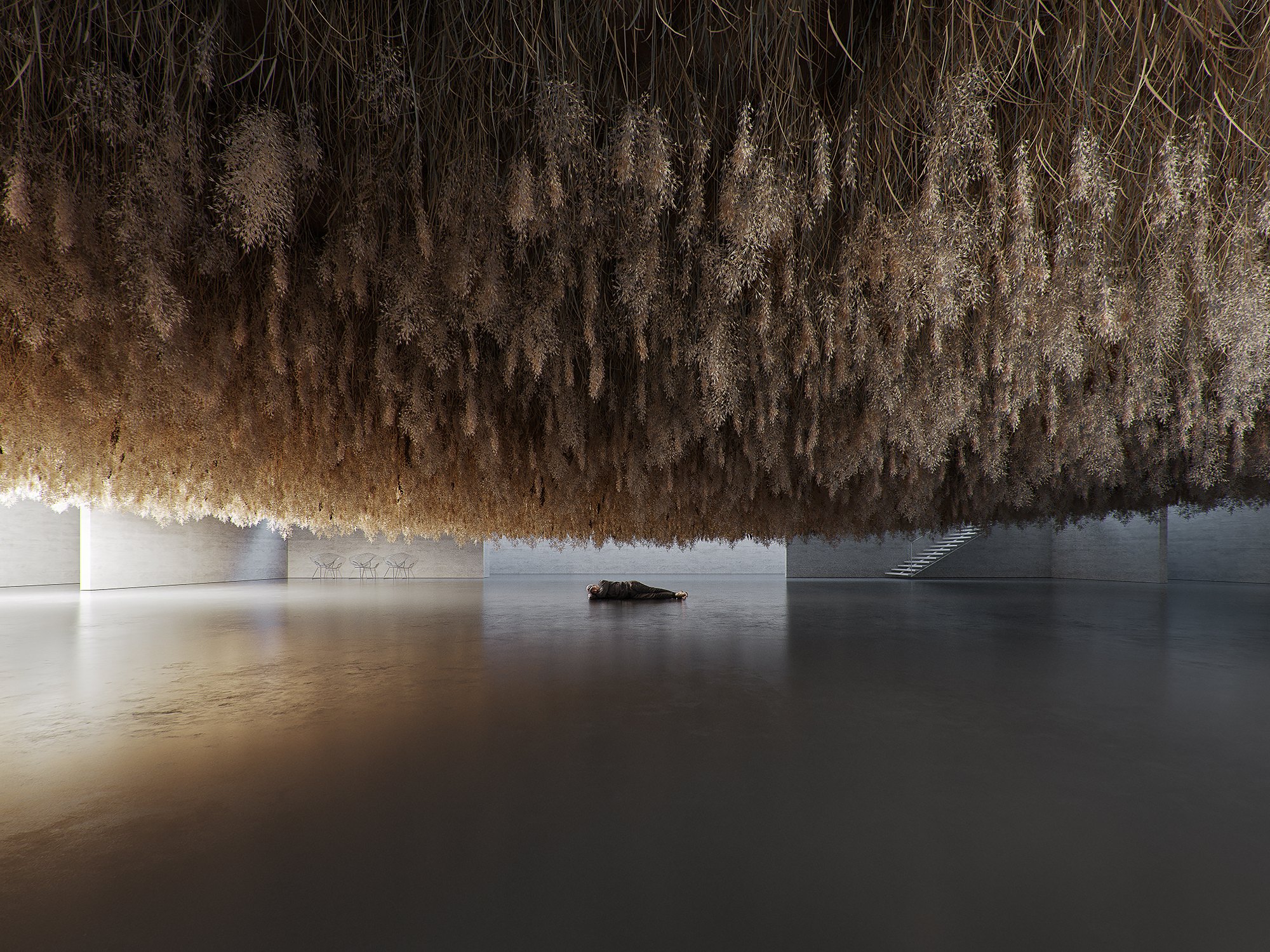
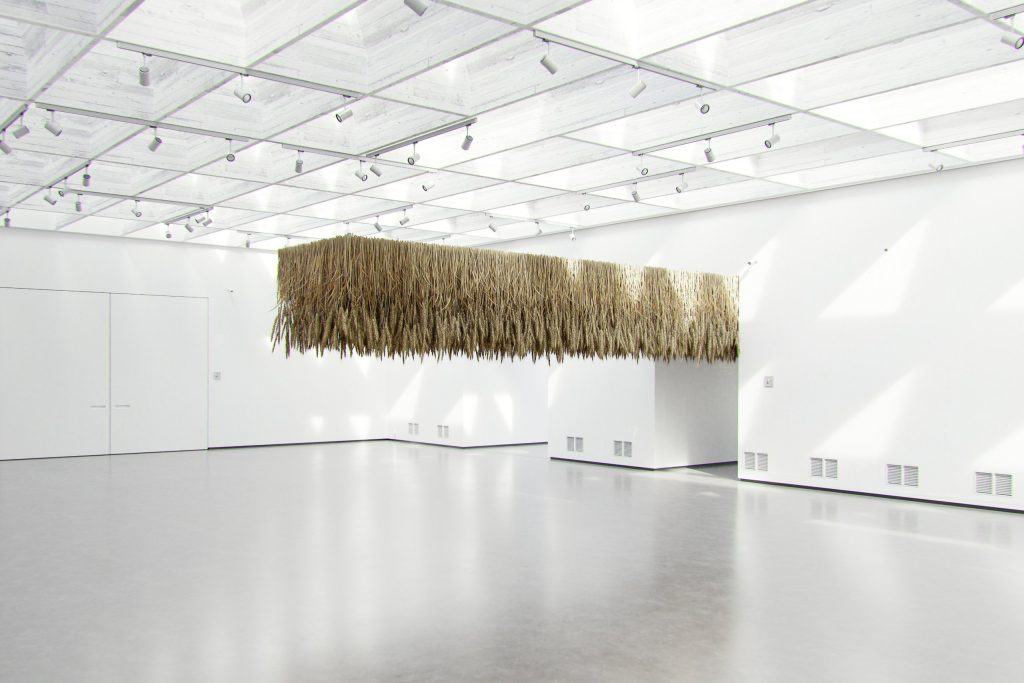
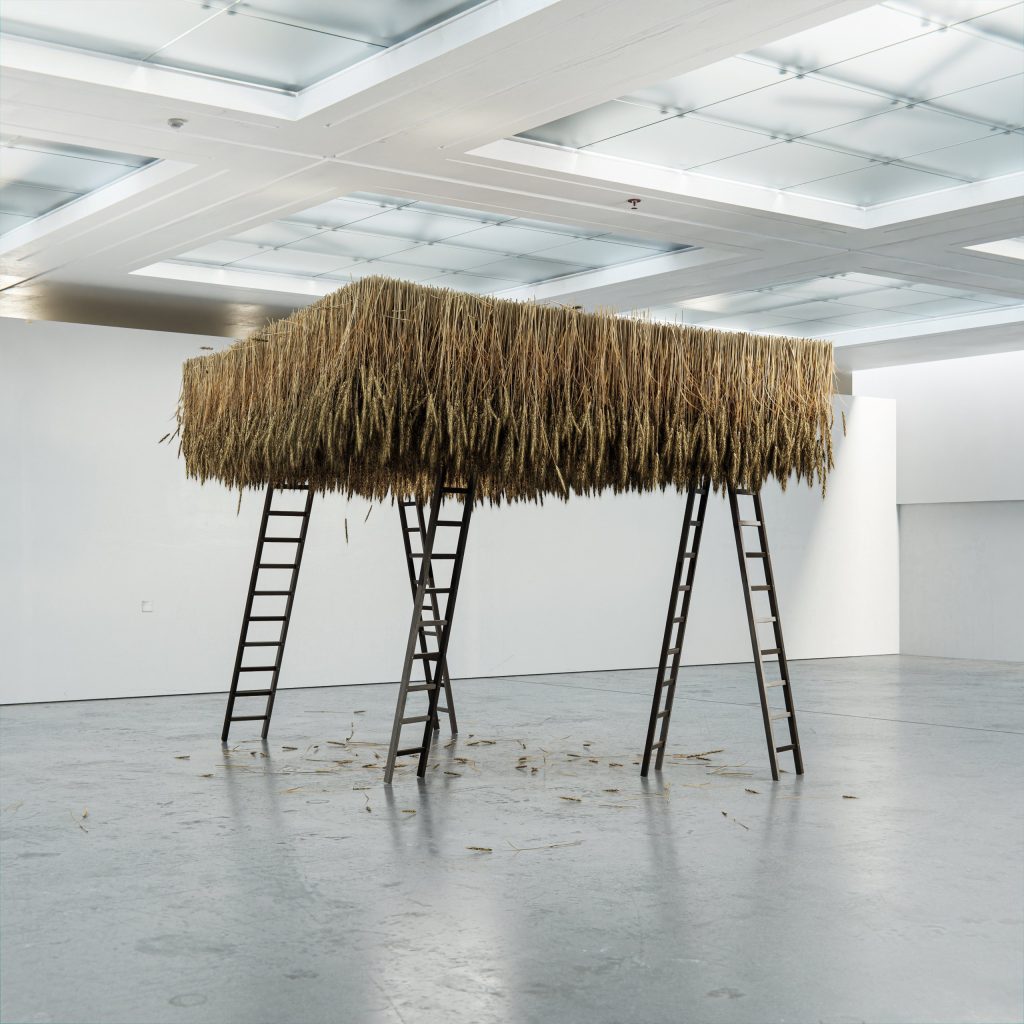
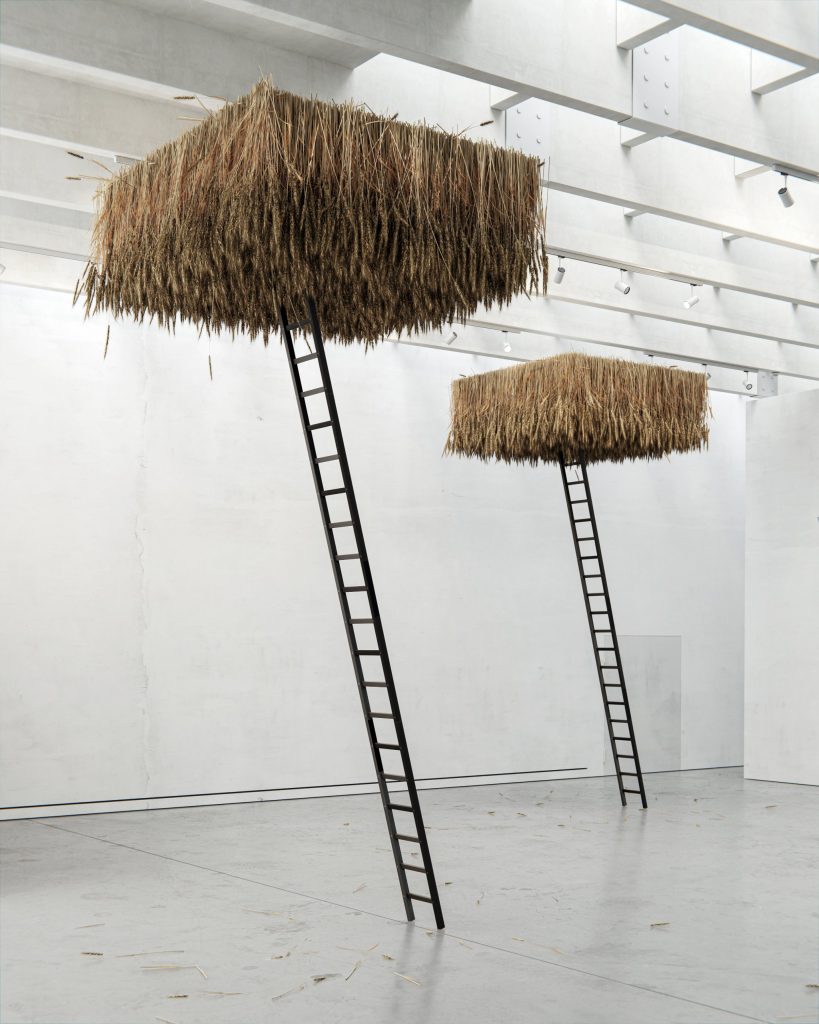
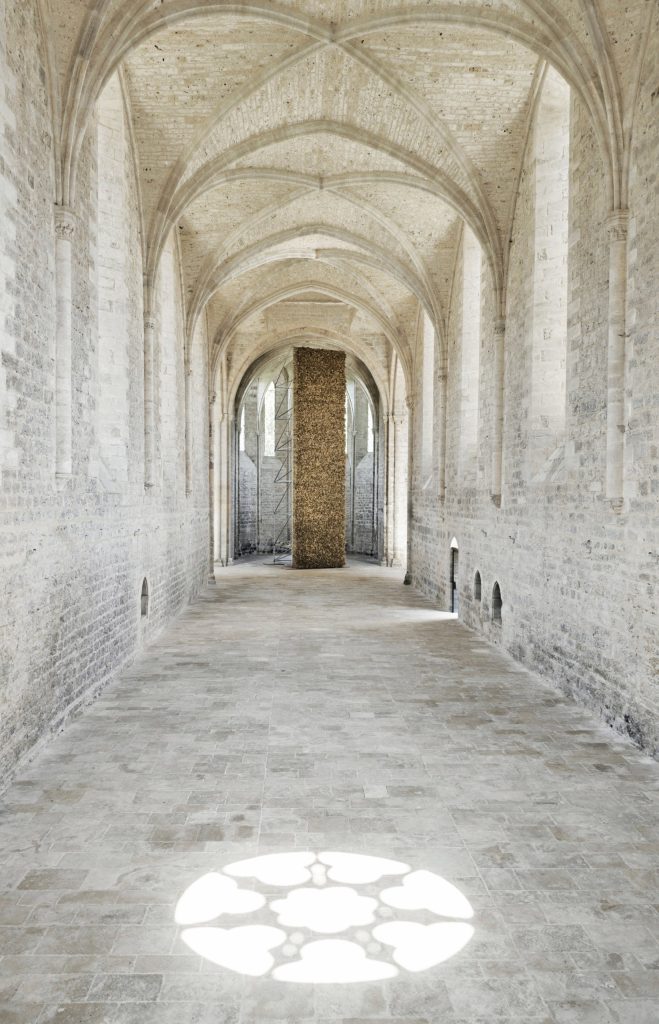
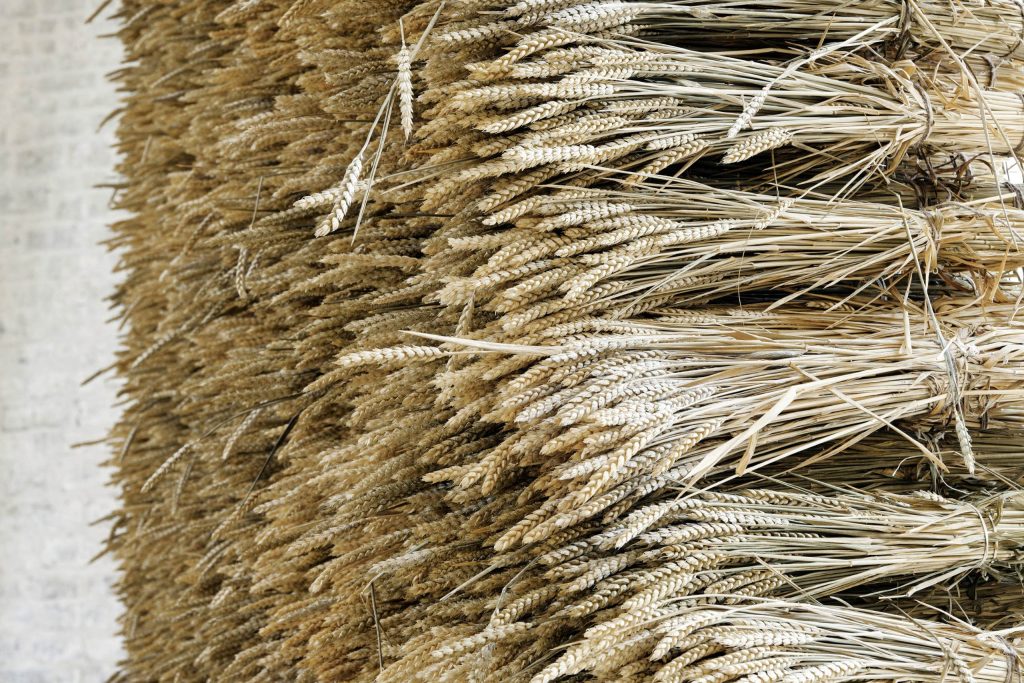
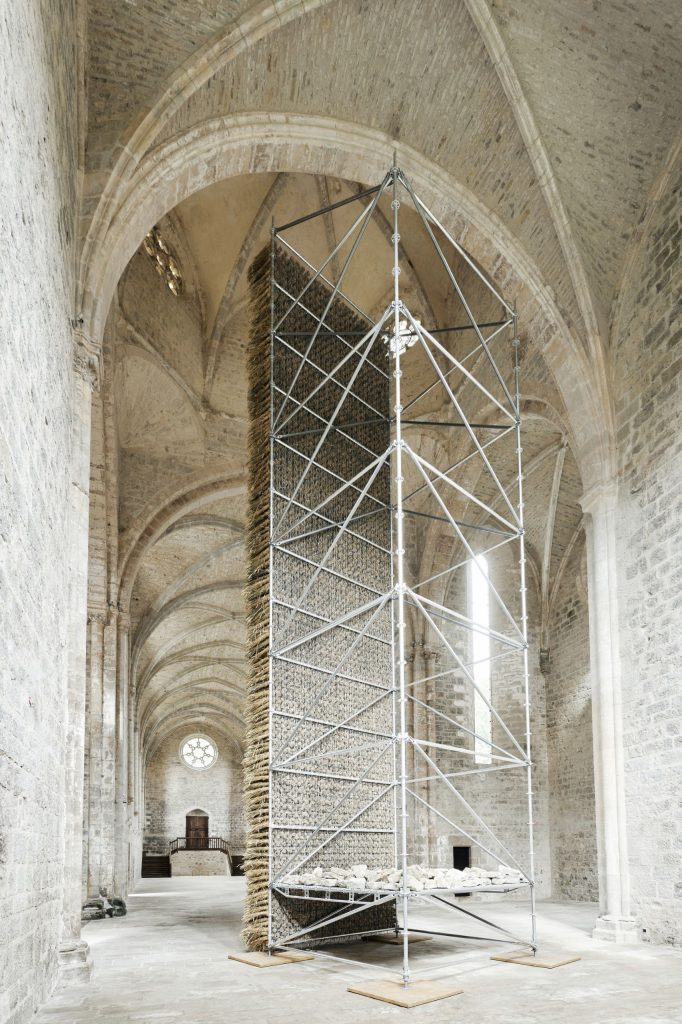
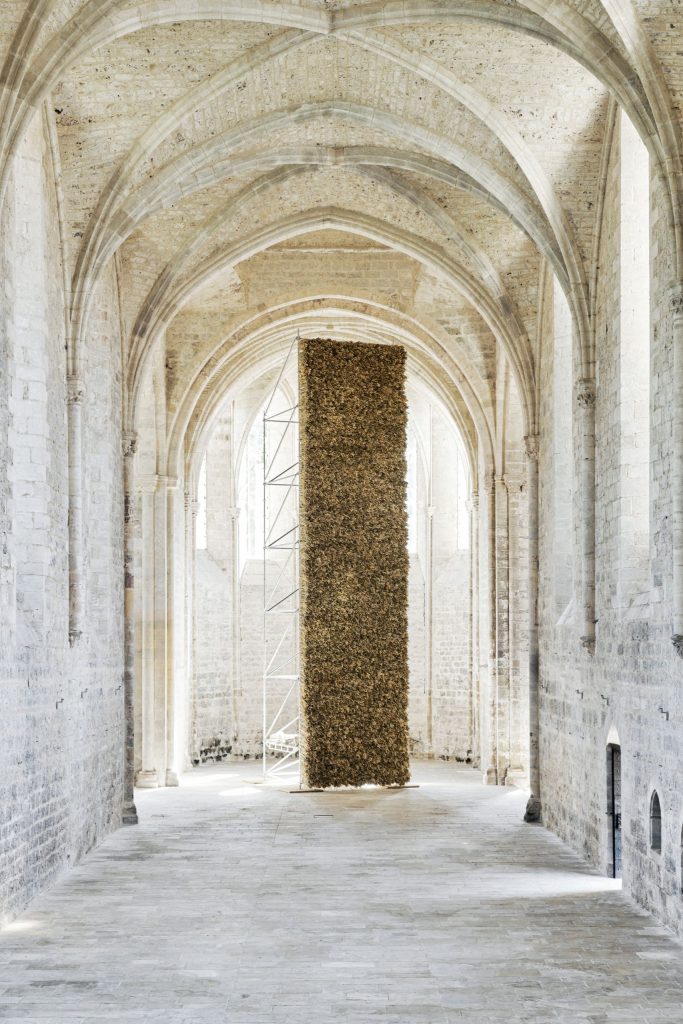
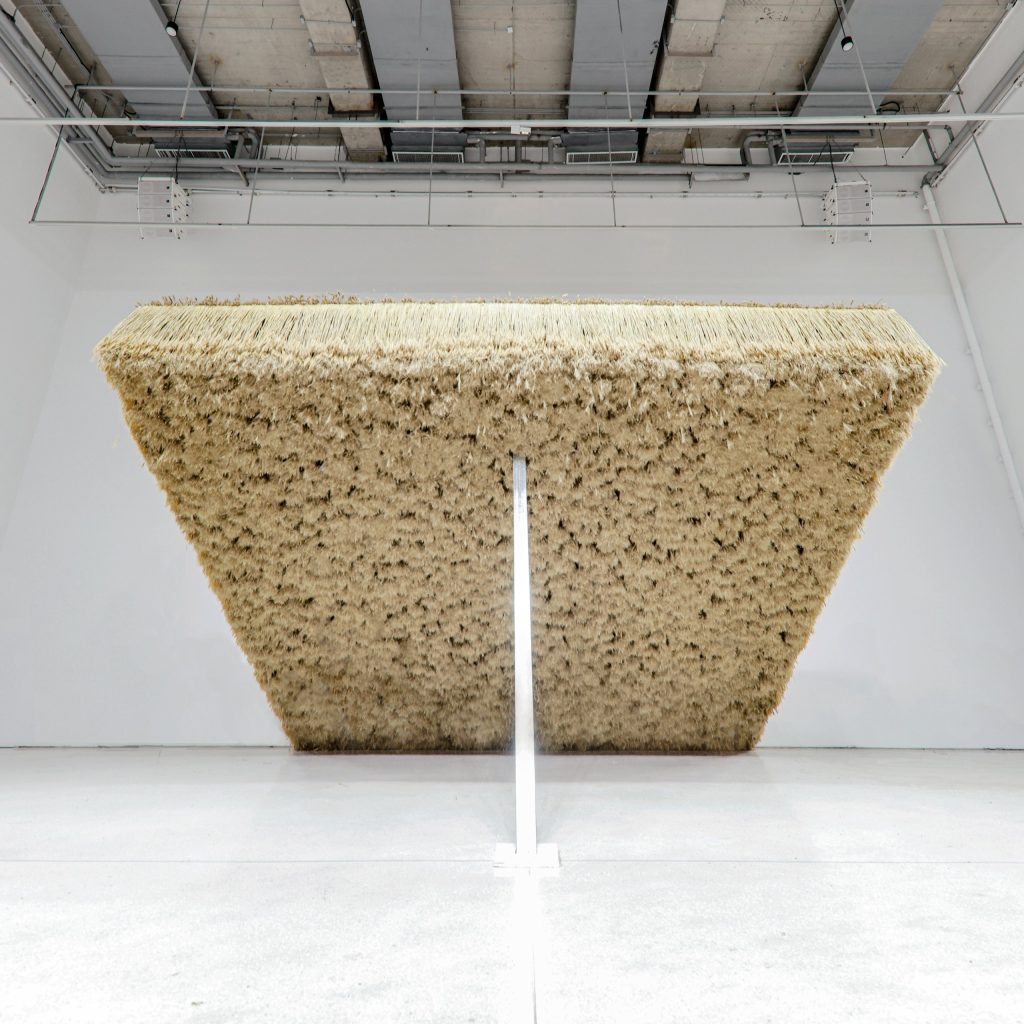
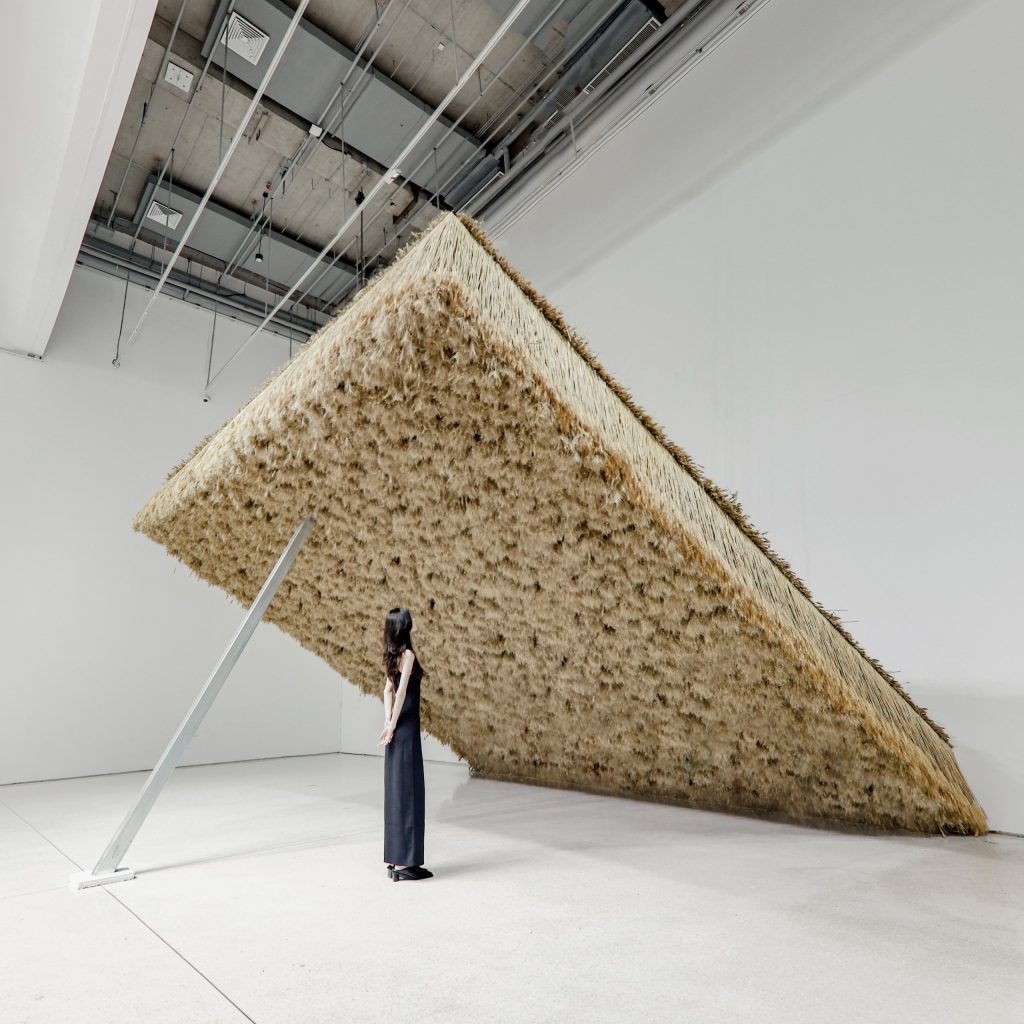
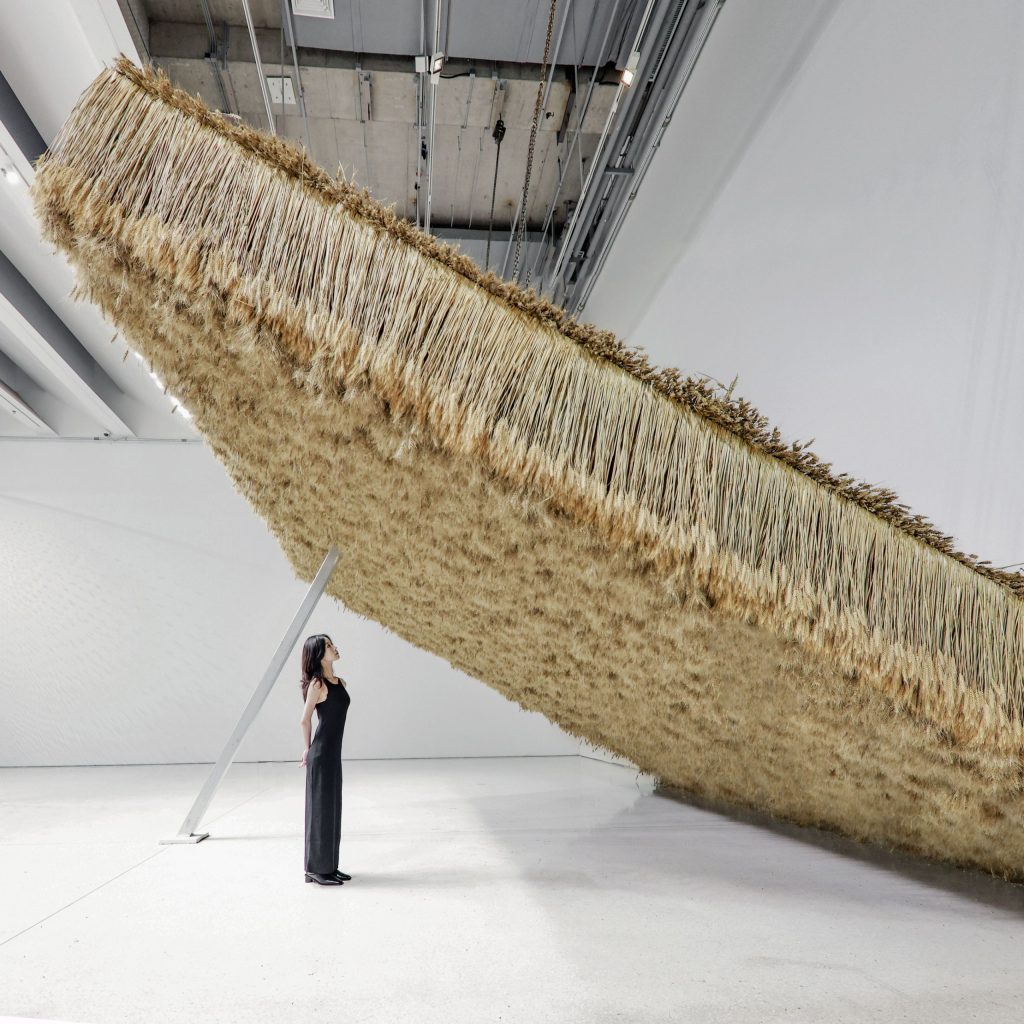
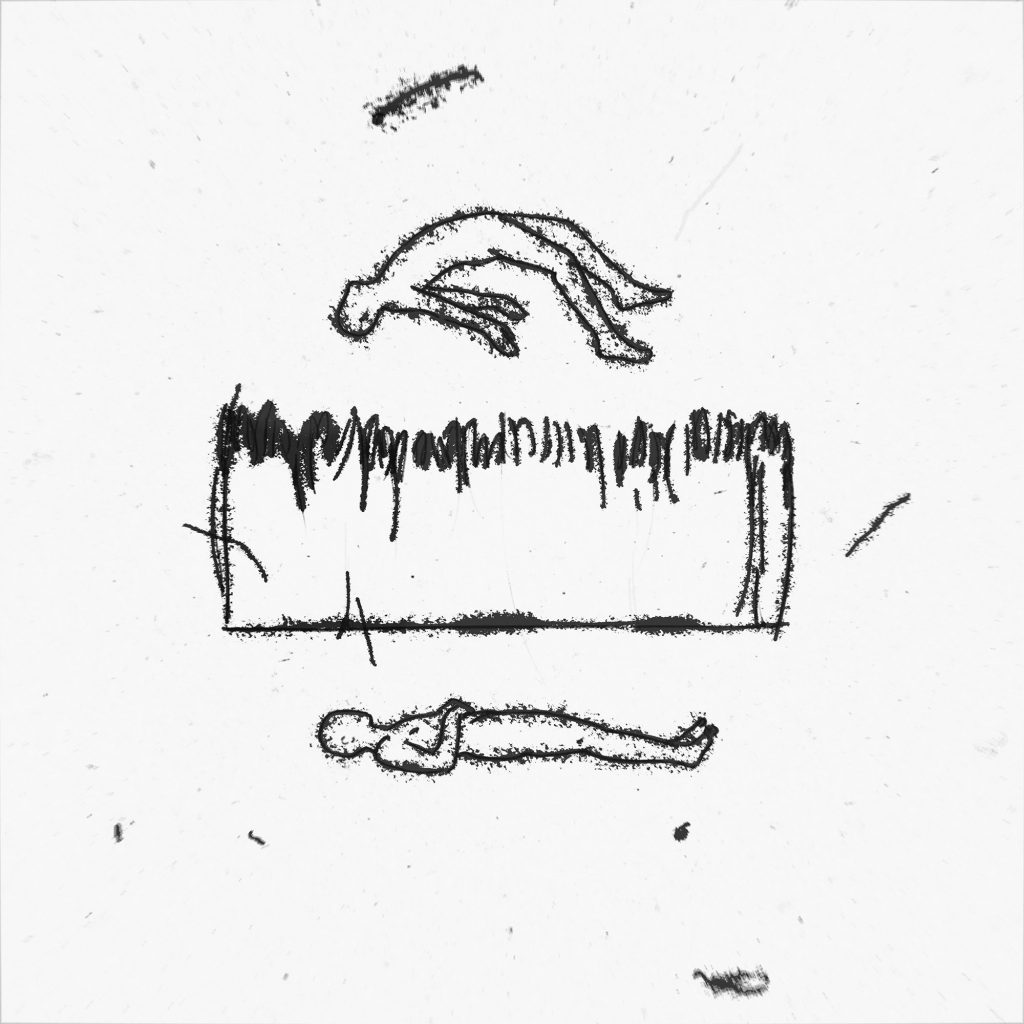
A “French exit” means leaving without saying goodbye. In French Exit, the artist Tadao Cern fills a ceiling with a dense field of dried wheat. Visitors who look up from below see the field as if from above, as though they were already floating over it.
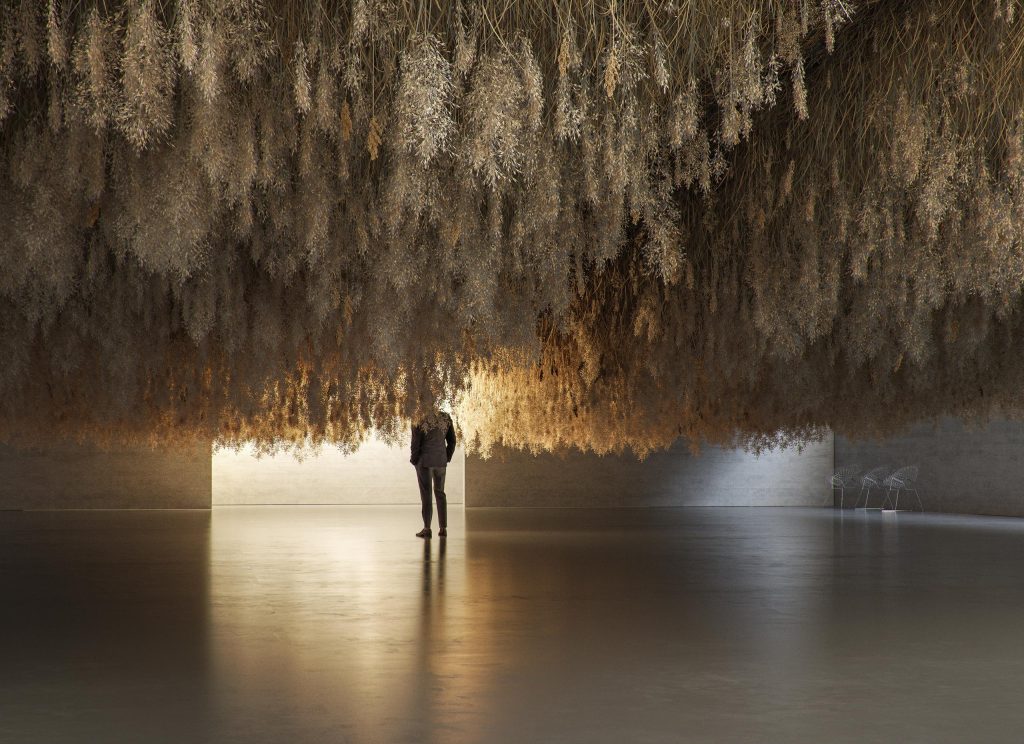
The work starts from a cliché. According to Cern, leaving has one familiar picture in our shared imagination: we rise and float above the world we leave behind. It appears in dreams and films, in the way people describe death and in countless postcards of a soul drifting away.
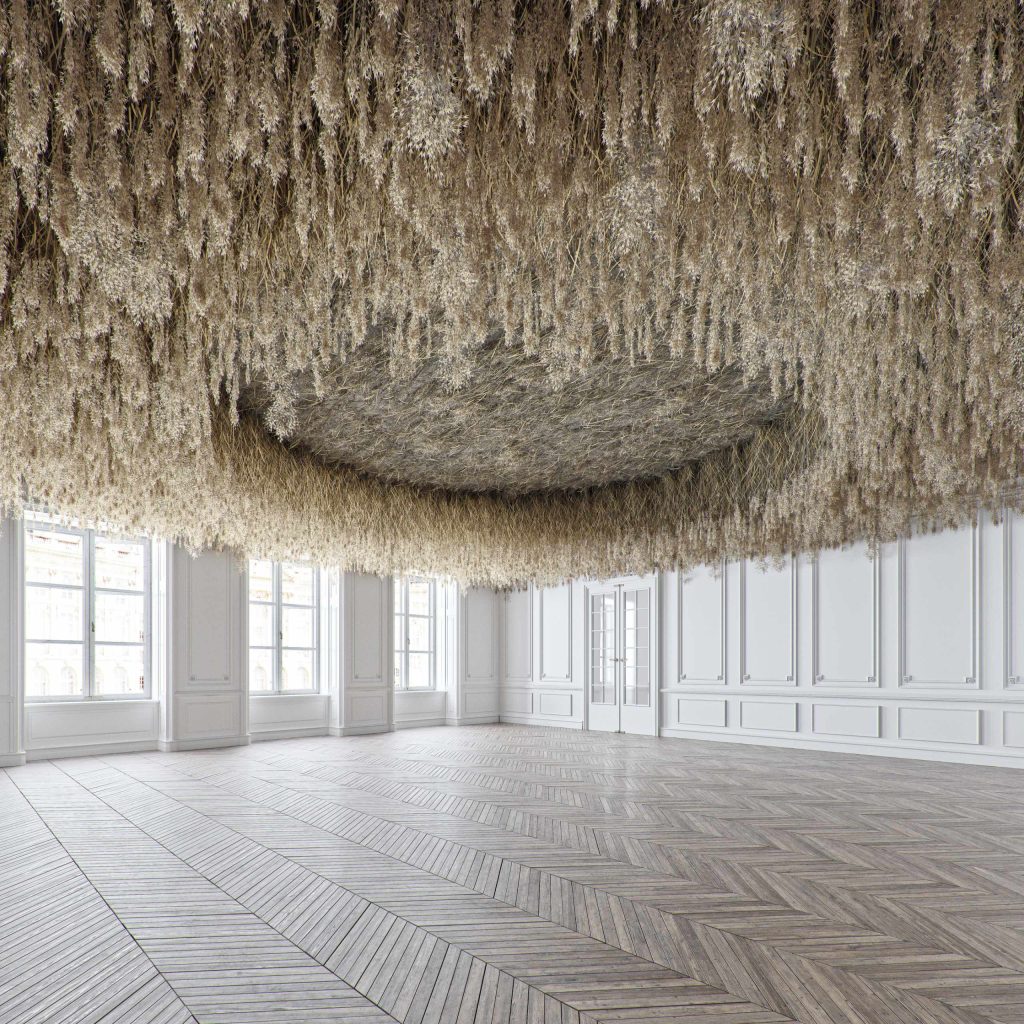
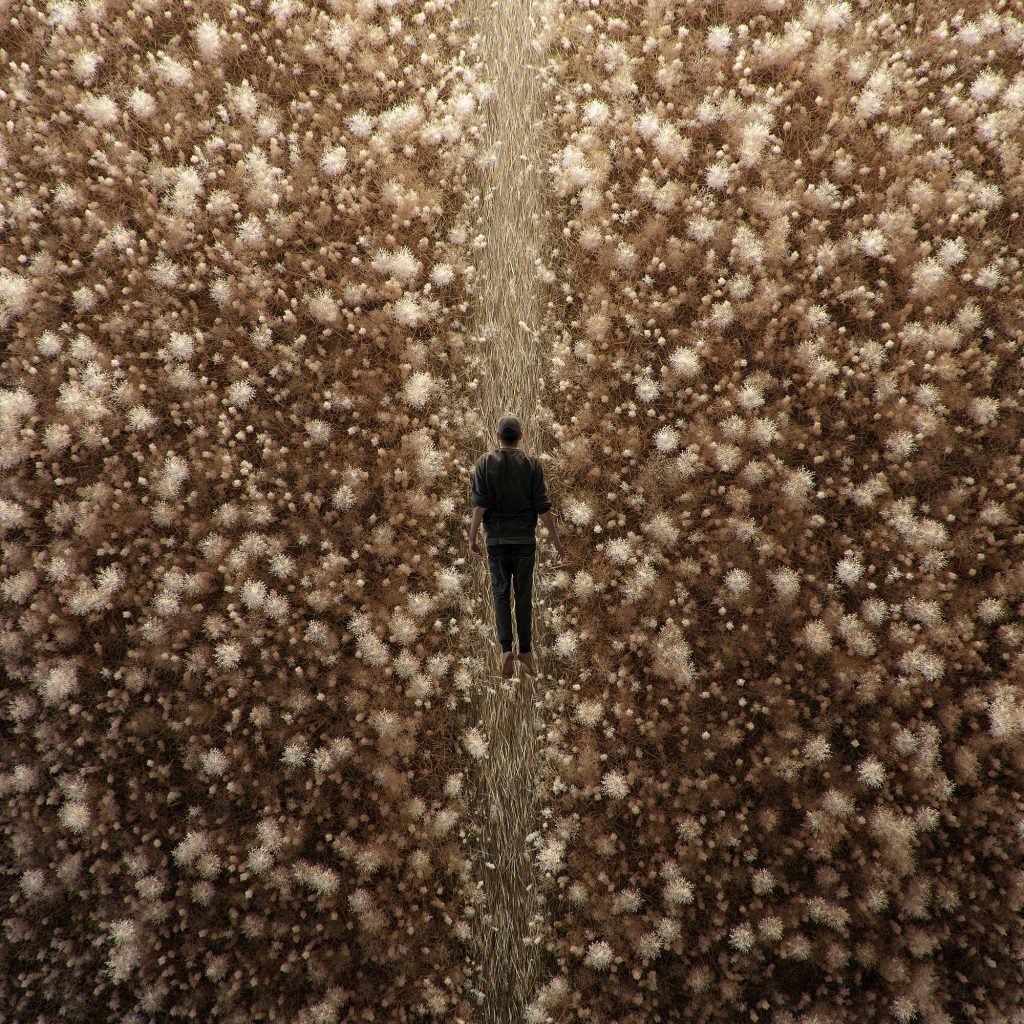
Ceiling and ground switch places
In the installation, the ceiling and the ground trade roles. Cern chose wheat for the same reason as the floating image: it is the most familiar thing a person could be leaving. Bread, harvest, homeland and the landscape of childhood all attach to it. Few things, he argues, are as strongly tied to a sense of belonging, and few are as ordinary.
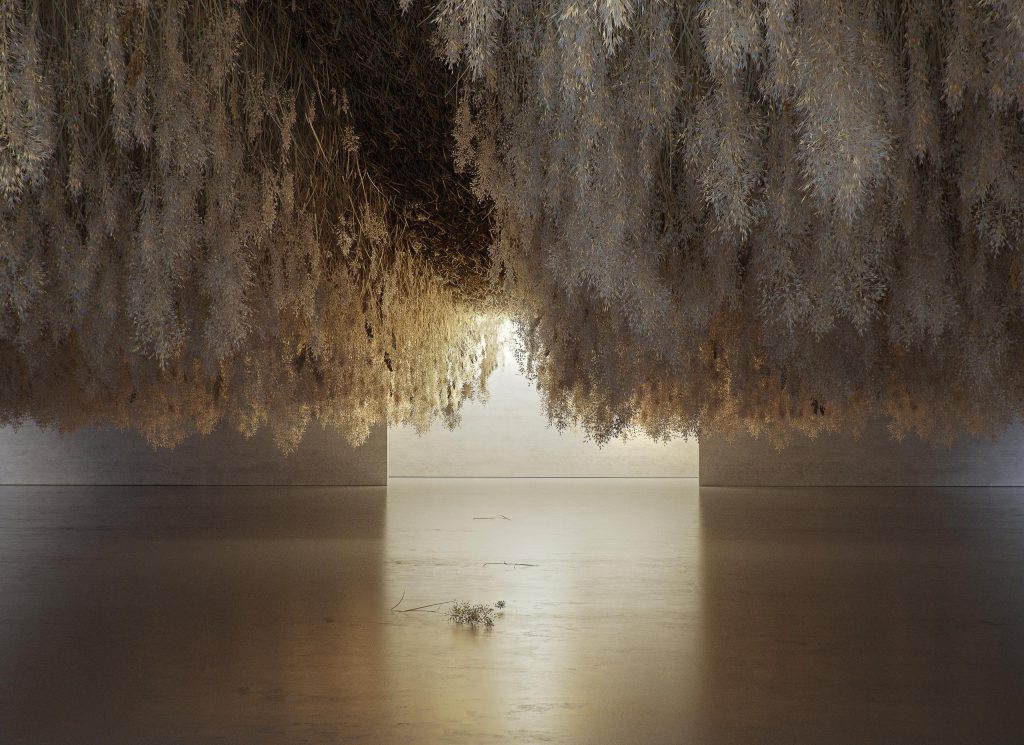
Banality is central to the work. “I do not avoid the obvious image,” Cern says. “I build it at full scale and let visitors stand inside it.” As a result, something everyone recognises becomes physical, quiet and strangely unsettling. The ceiling, usually the most neutral surface of a building, becomes the main event, while the floor stays empty.
A work that needs its hosts
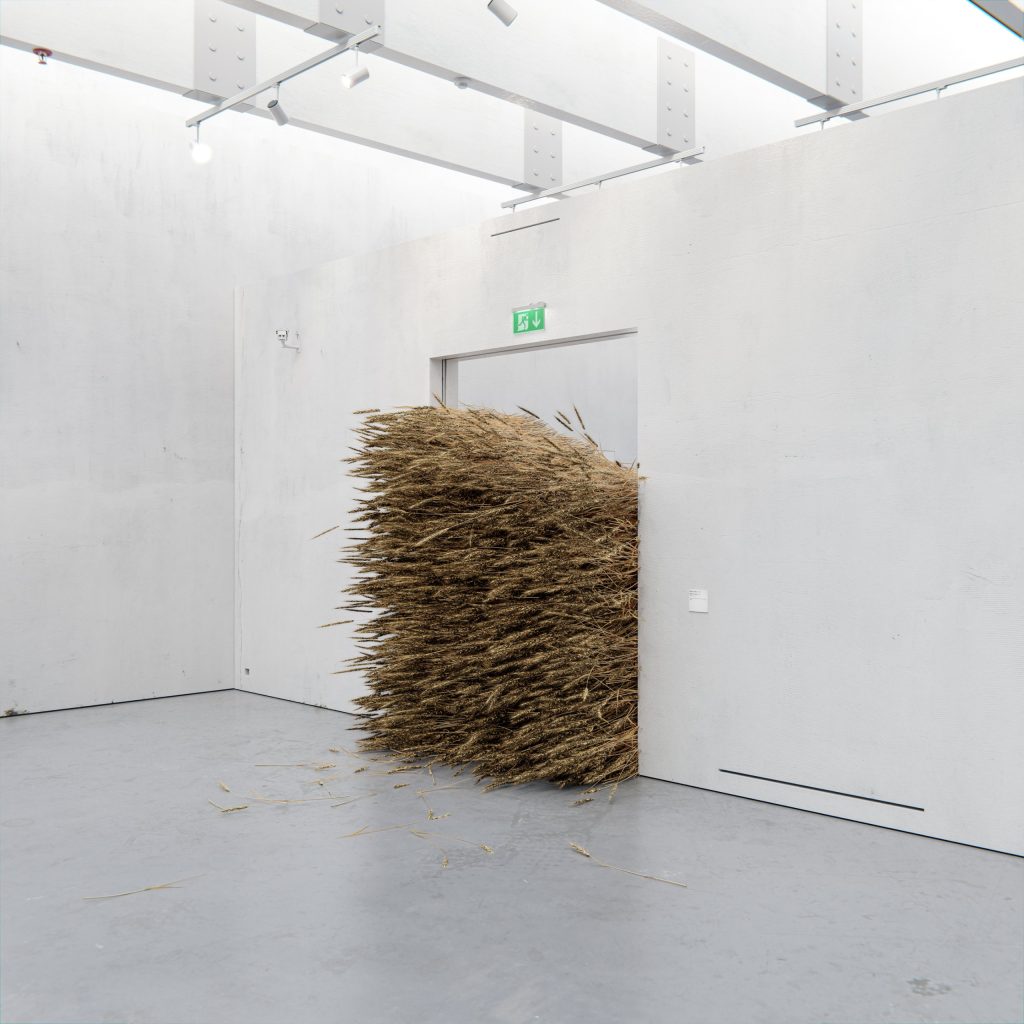
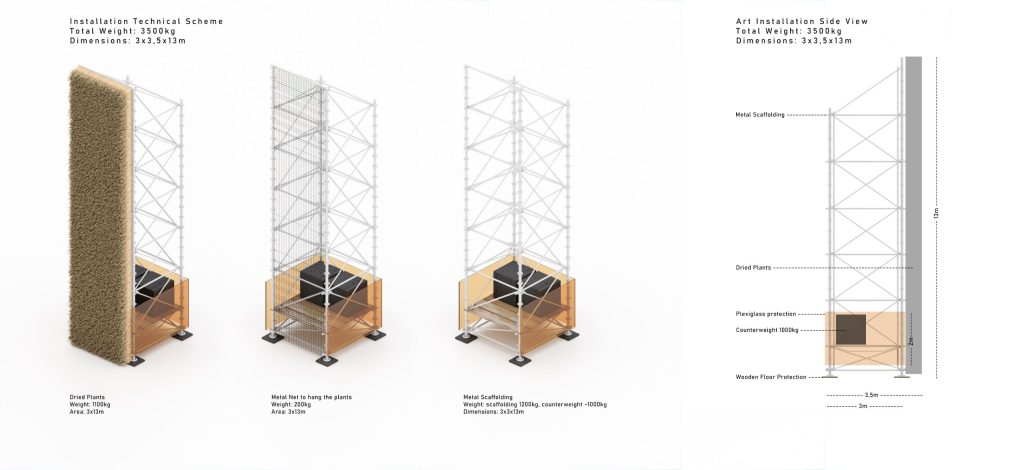
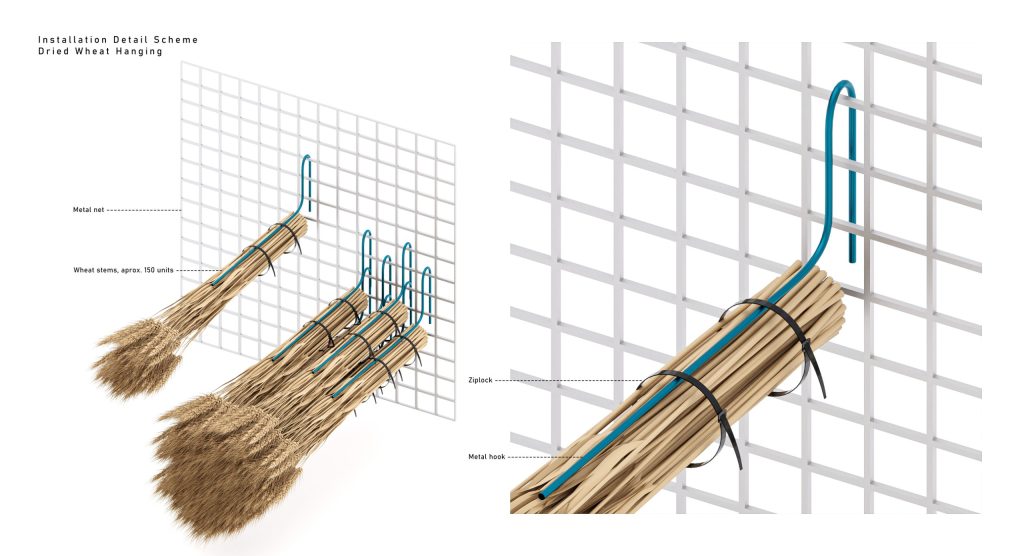
French Exit cannot exist on its own, and Cern designed it that way. It needs an institution: a space, a structure strong enough to carry it, people to install it and someone to care for it while it is on view. Dried wheat is fragile. It sheds, settles and changes during the exhibition, so the host has to live with that process and maintain it.
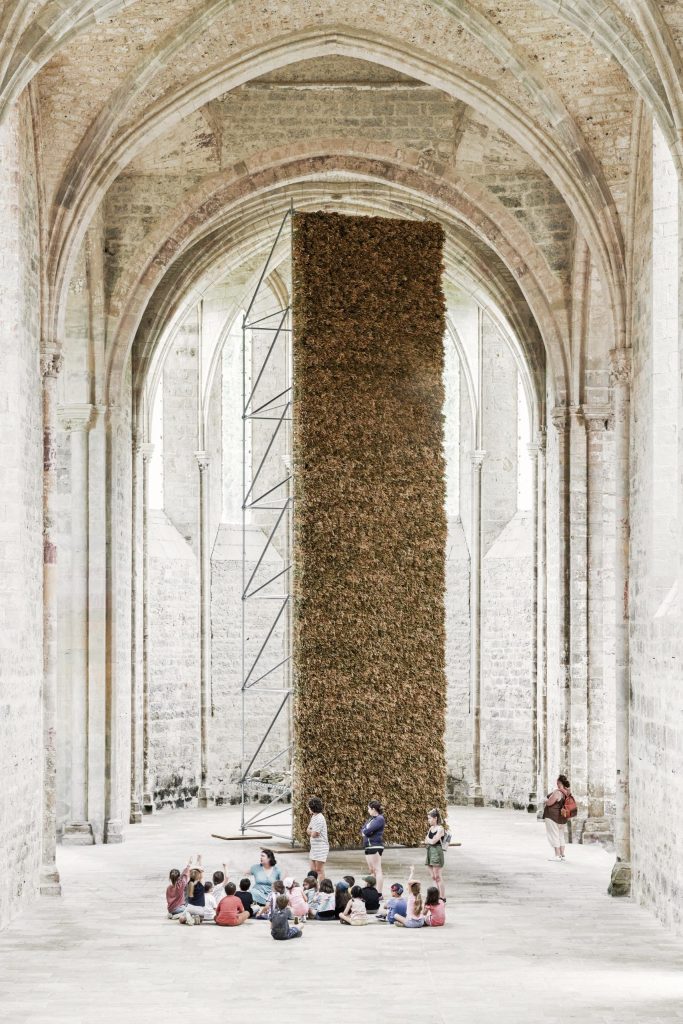
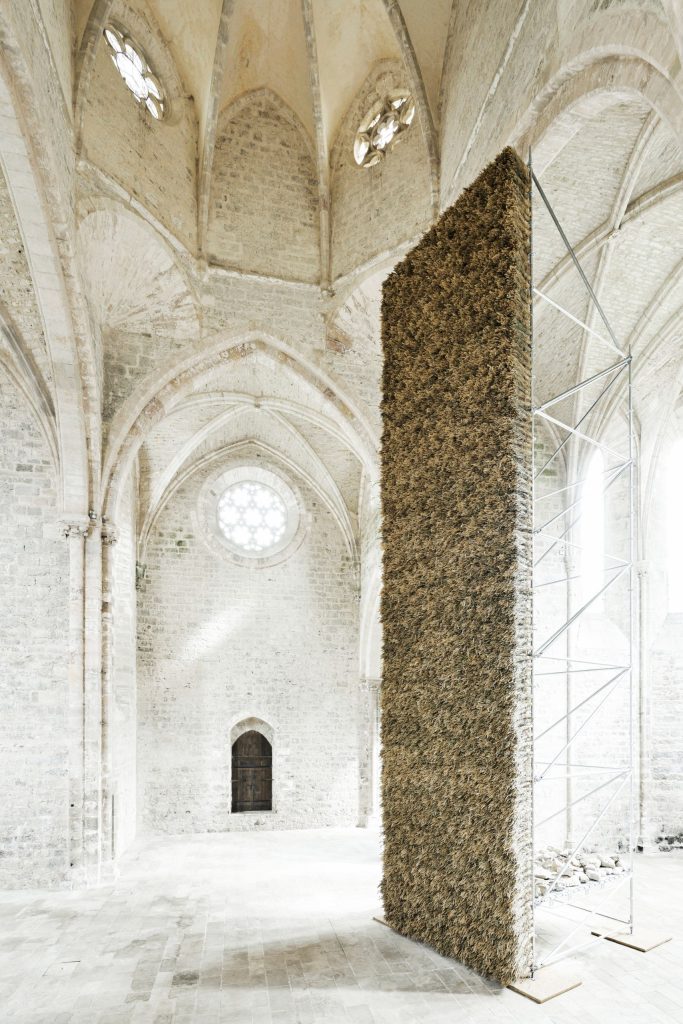
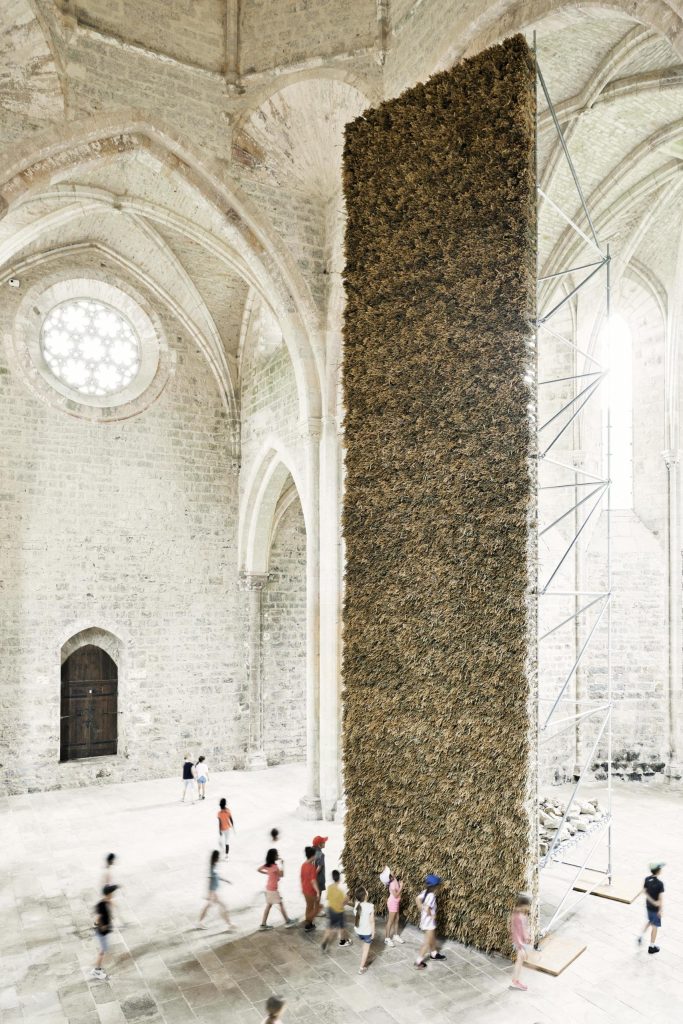
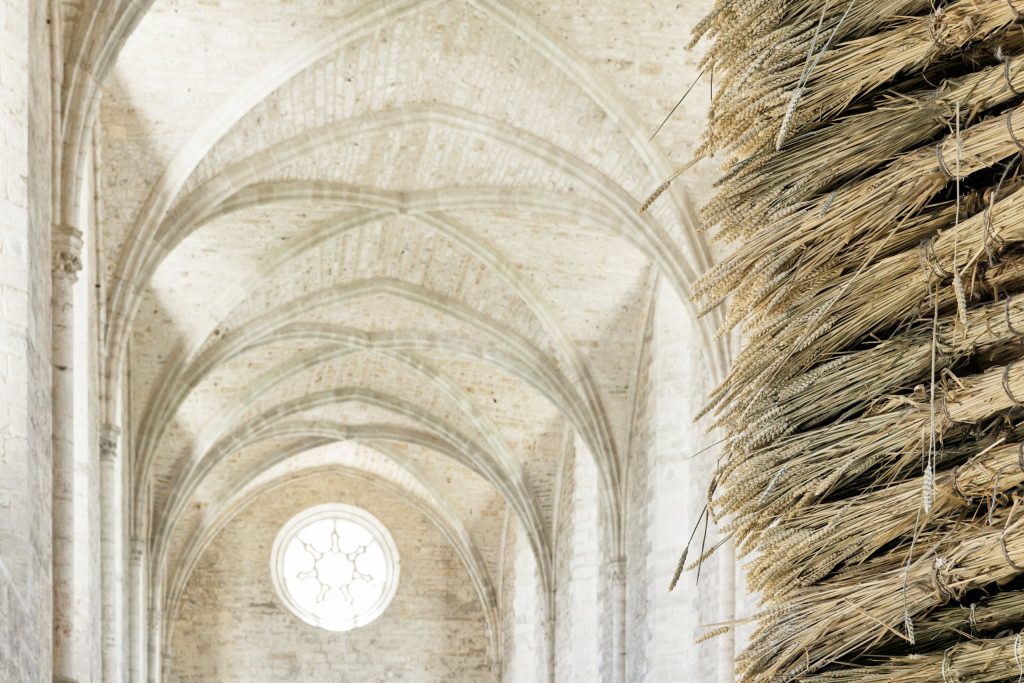
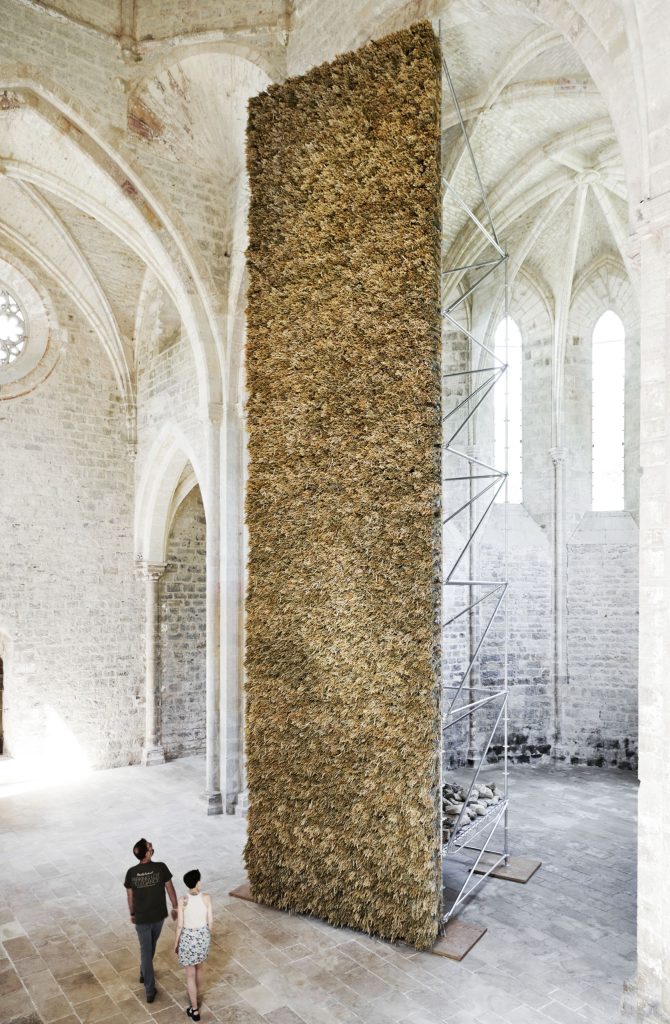
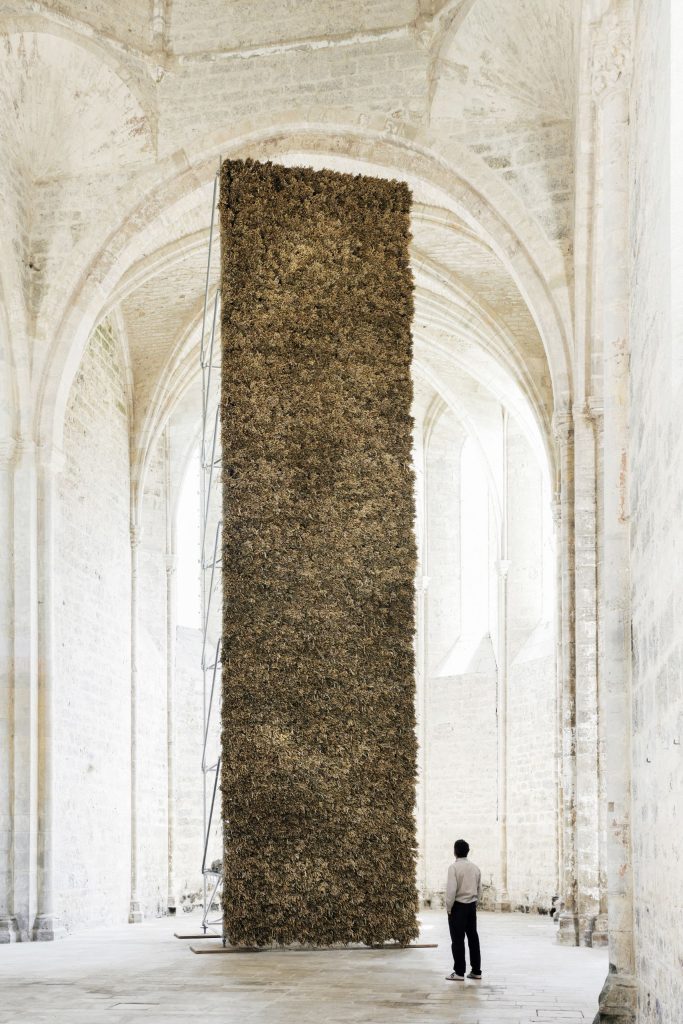
The artist creates the conditions and then leaves, while the institution stays with the work. In this sense, Cern says, the piece performs its own title. “It is a work about leaving that depends completely on those who are left behind to keep it.”
Keeping structures standing
The relationship between artist and institution sits at the centre of Cern’s practice. Trained as an architect and raised during the collapse of the Soviet system, he is drawn to structures of every kind: political, institutional and social. Yet he is less interested in the moment they collapse than in “the quiet, anxious work of keeping them standing.”
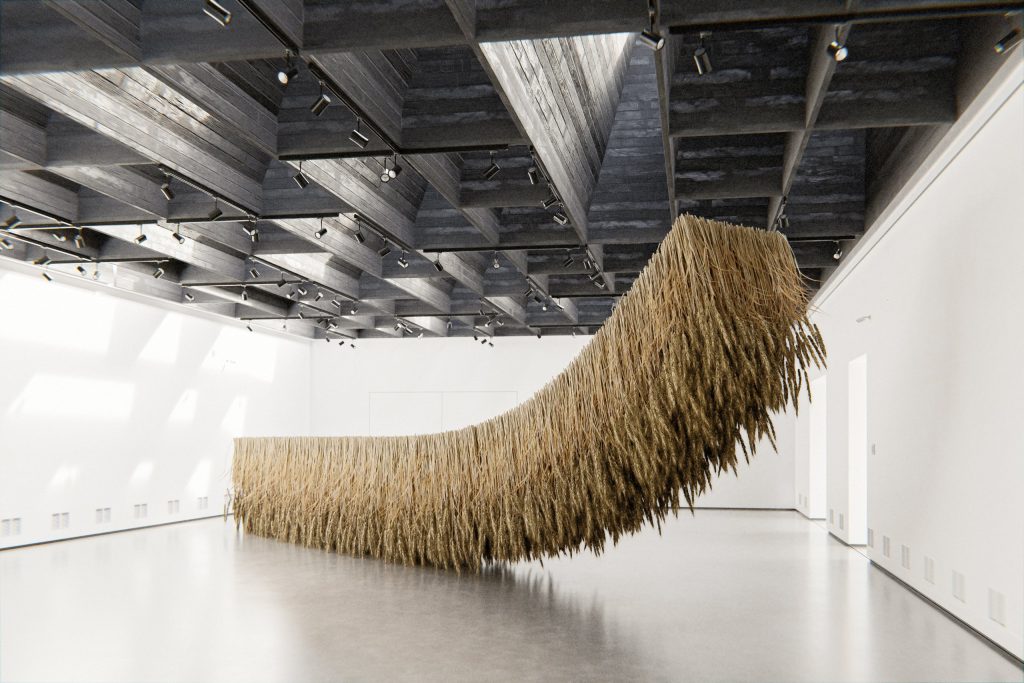
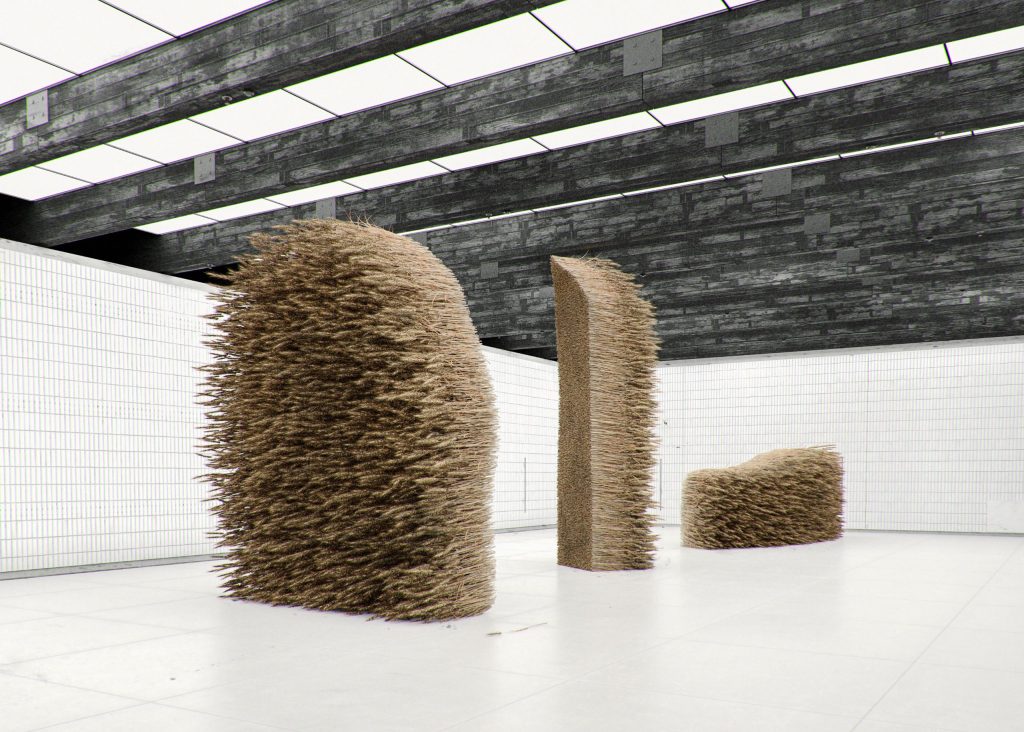
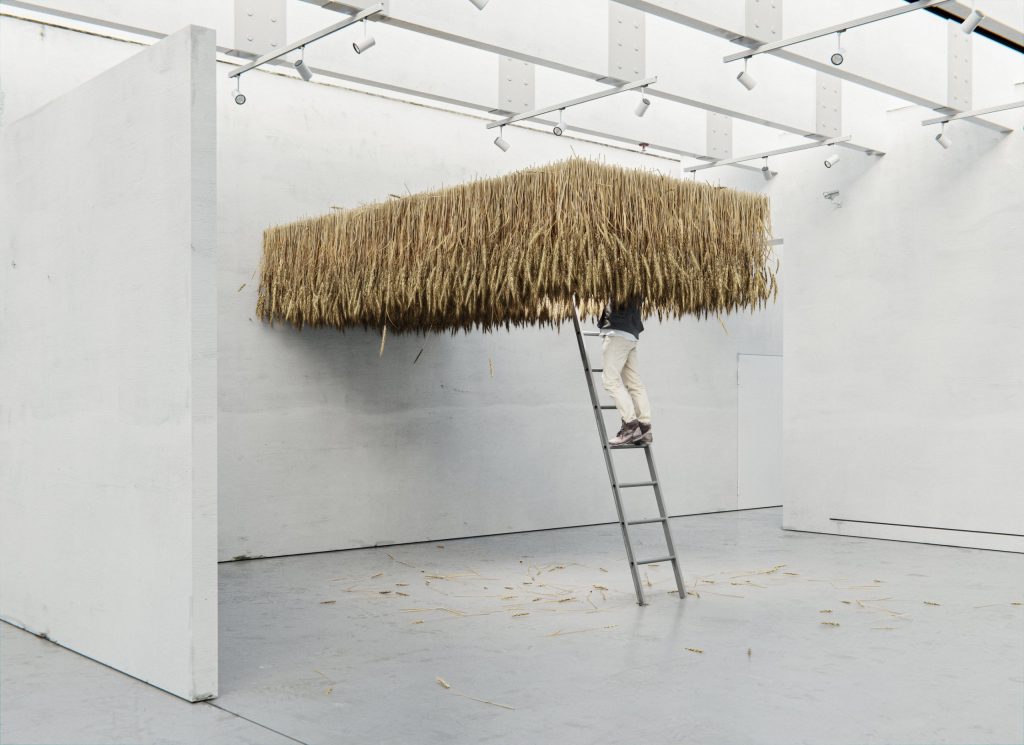
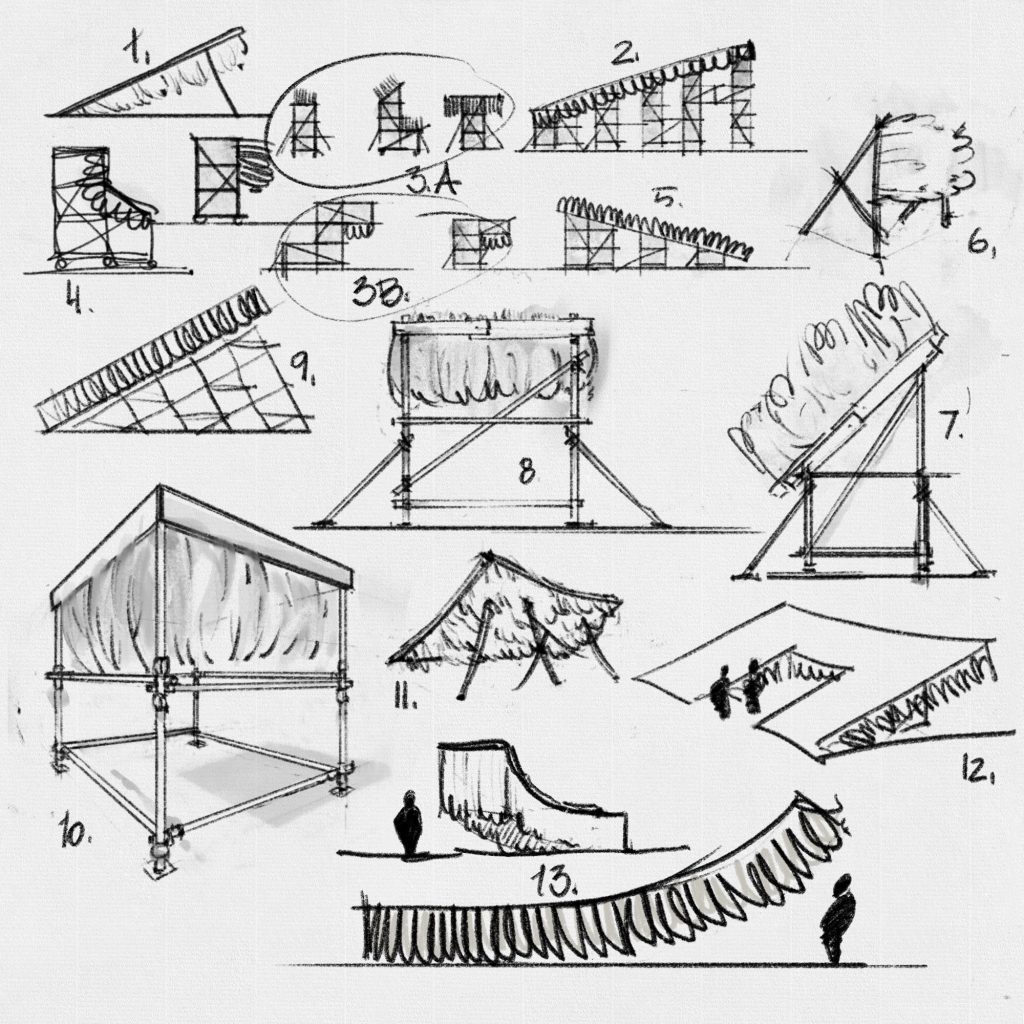
Each new version of French Exit therefore adapts to its host building, its scale, its light and the way people move through it. Each time, the relationship between the artist, the space and the institution is negotiated again. So far the work has been realised in several versions in Lithuania, France, China and the United States.
Artist: Tadao Cern / @tadaocern
Photography: Tadao Cern / @tadaocern