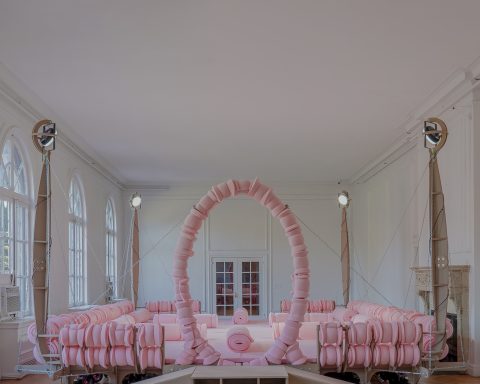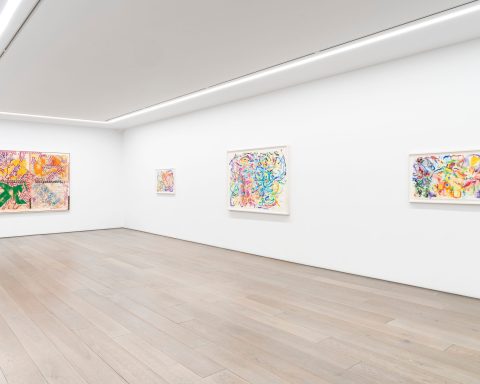
Sculptor Eugene Jung and sound artist Ben Shirken have set up a temporary operations hub for a start-up of their own invention. Infinite Energy Hack, presented by Sangheeut and lower_cavity, runs at 461 West 126th Street in New York from 16 October to 15 November 2026.
At its centre is Infinite Energy Solutions (IES), a sustainability-driven EcoTech company. Jung and Shirken founded it as a speculative container for their inquiry into the relationships forming between humanity, technology and the environment. According to the press text, IES has its headquarters in a reclaimed industrial site in Harlem’s Factory District and Innovation Triangle. Its mission statement ends with a short instruction: “understand the loop; then close it.”
Systems too large to see
The project draws on what the theorist Timothy Morton calls hyperobjects. These are phenomena spread so widely in space and time that people cannot perceive or even fully grasp them. The press text gives global warming and the supply chain as examples. Because we exist inside such systems, it argues, our attempts to understand them share the limits of the systems themselves.
In response, IES argues against the anthropocentrism built into conventional thought. It also holds that non-living materials have their own forms of agency. Here the artists turn to the philosopher Jane Bennett, for whom action is rarely a human matter alone. Instead, it takes place through “agentic assemblages” of human activity, non-human systems and environmental forces. Infinite Energy Hack presents itself as an assemblage of this kind.
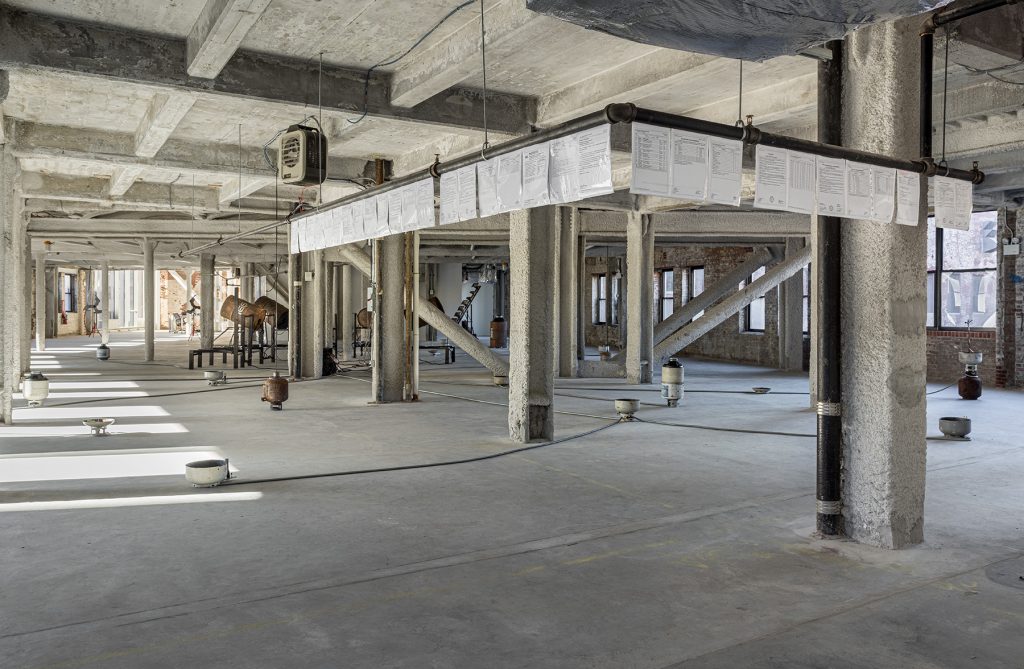
Inside the operations hub
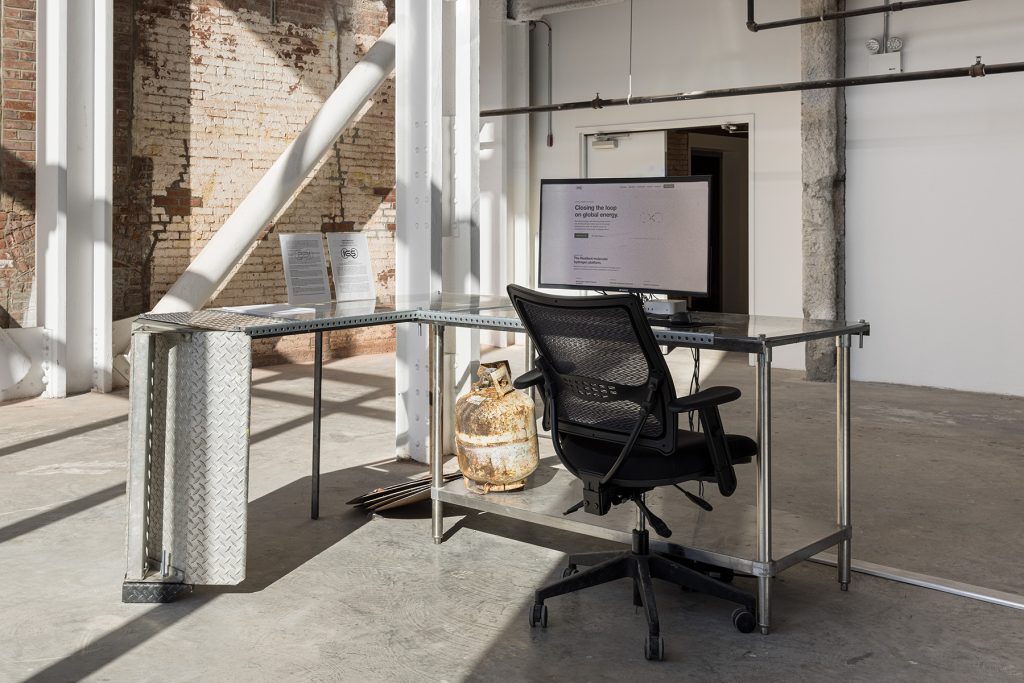
Visitors first meet a desktop computer that displays the company’s website. This workstation also serves as the nerve centre for the experiments running across the room.
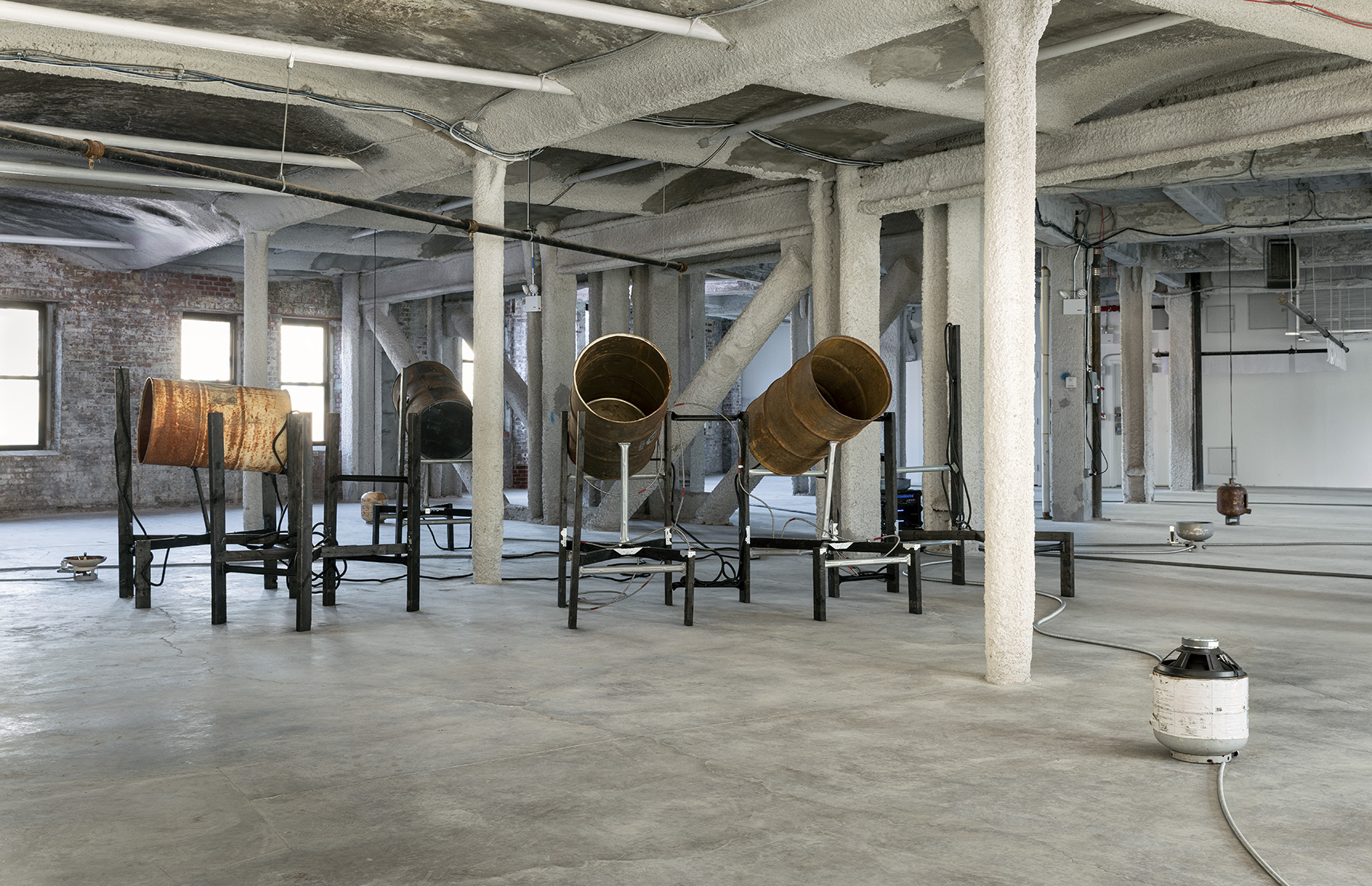
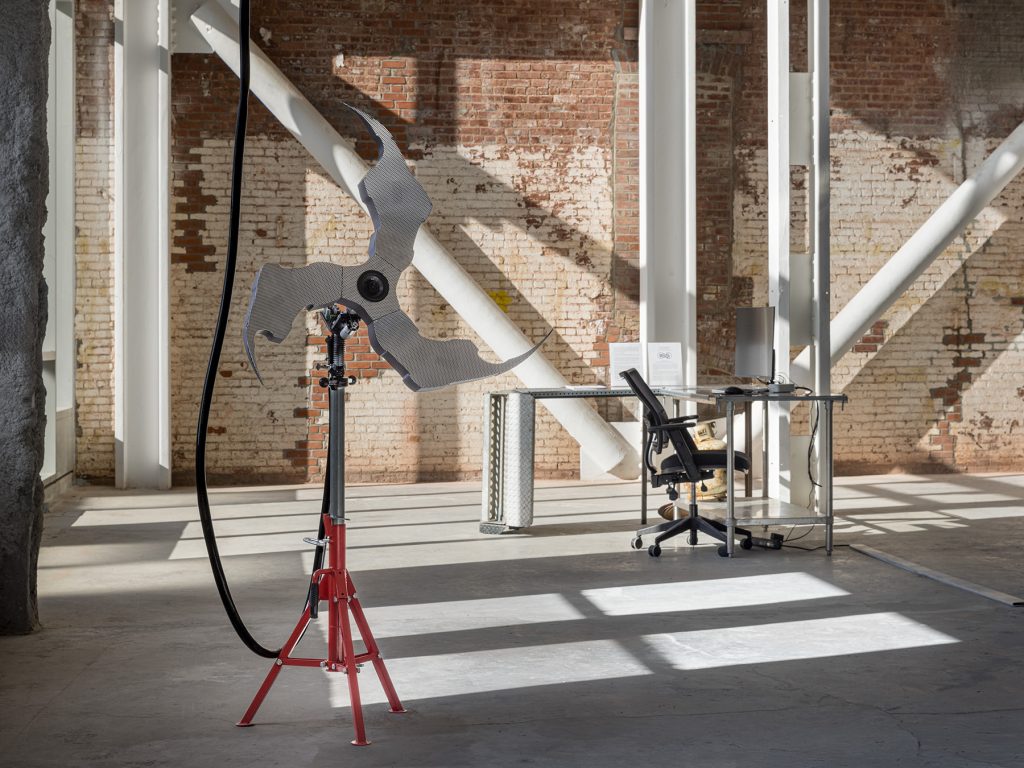
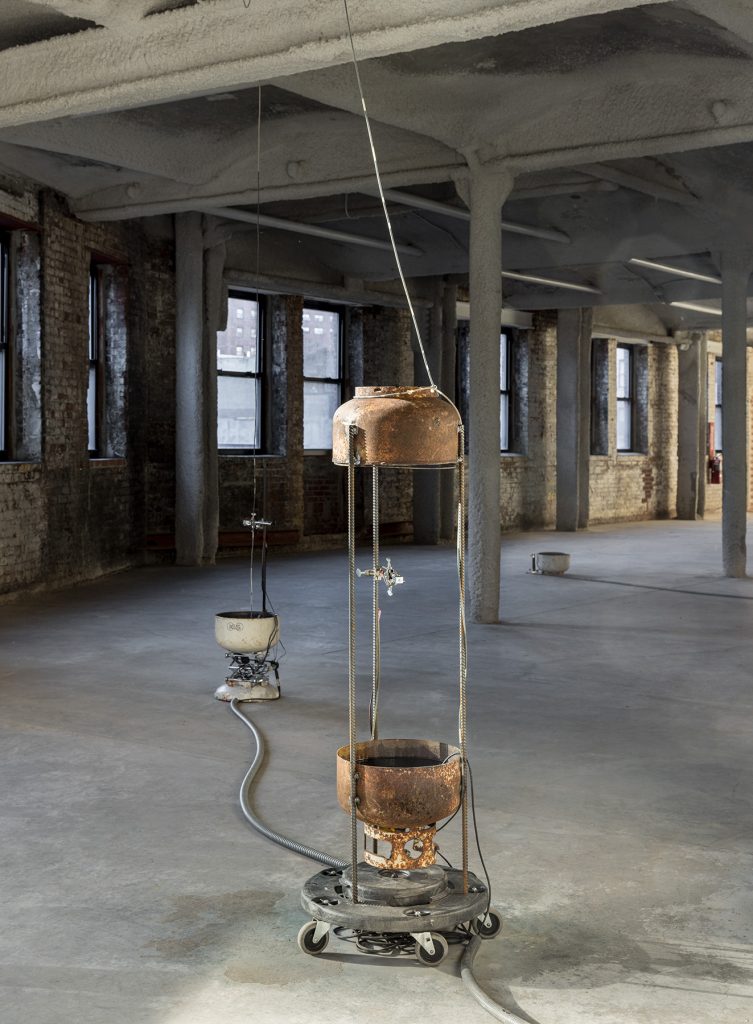
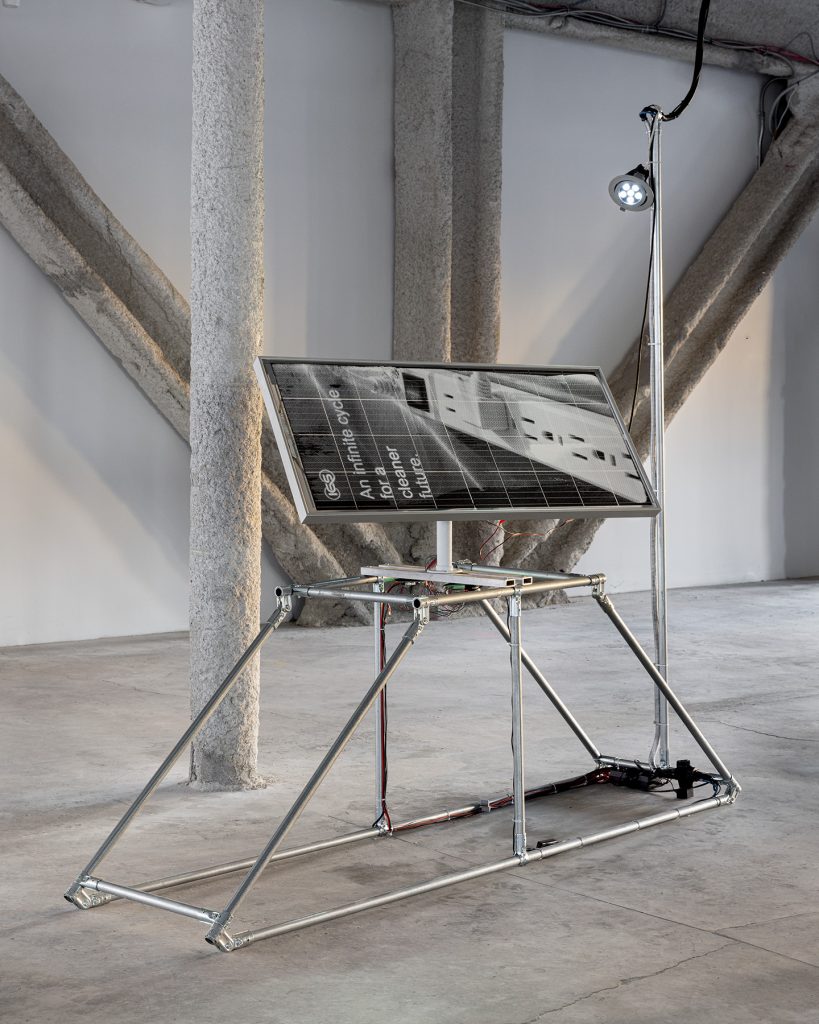
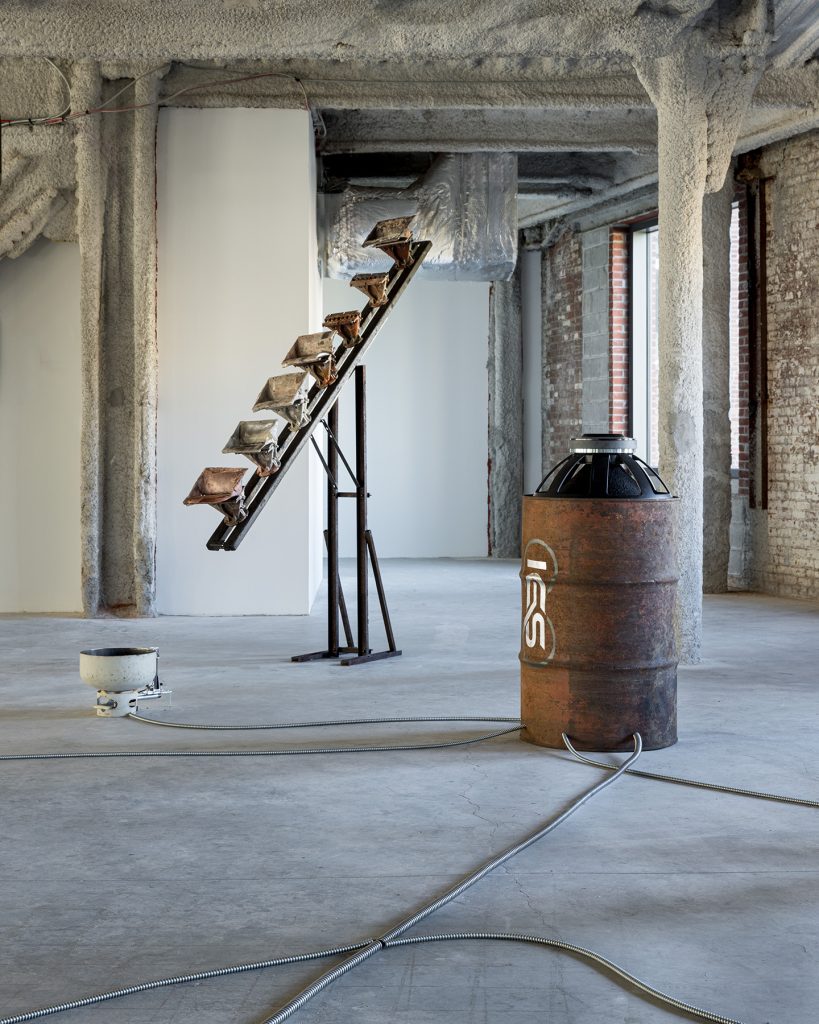
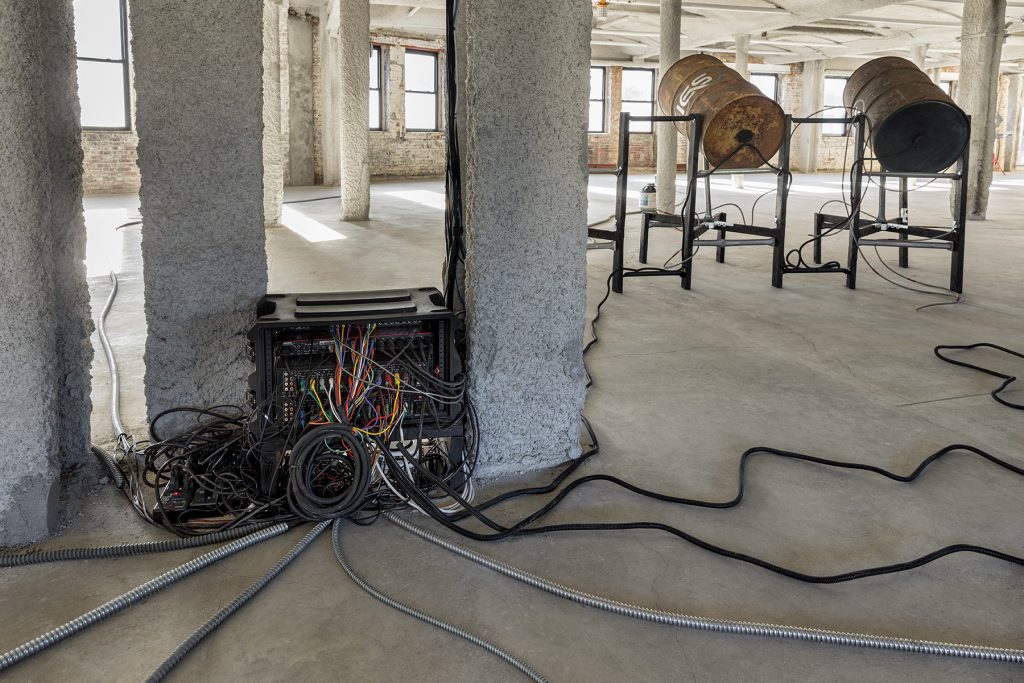
The sound of these tests fills the space. Liquid-powered windmills send out alert transmissions, while repurposed gas tanks and oil drums pass encrypted messages to one another. Solar panels, for their part, turn light into electrical interference.
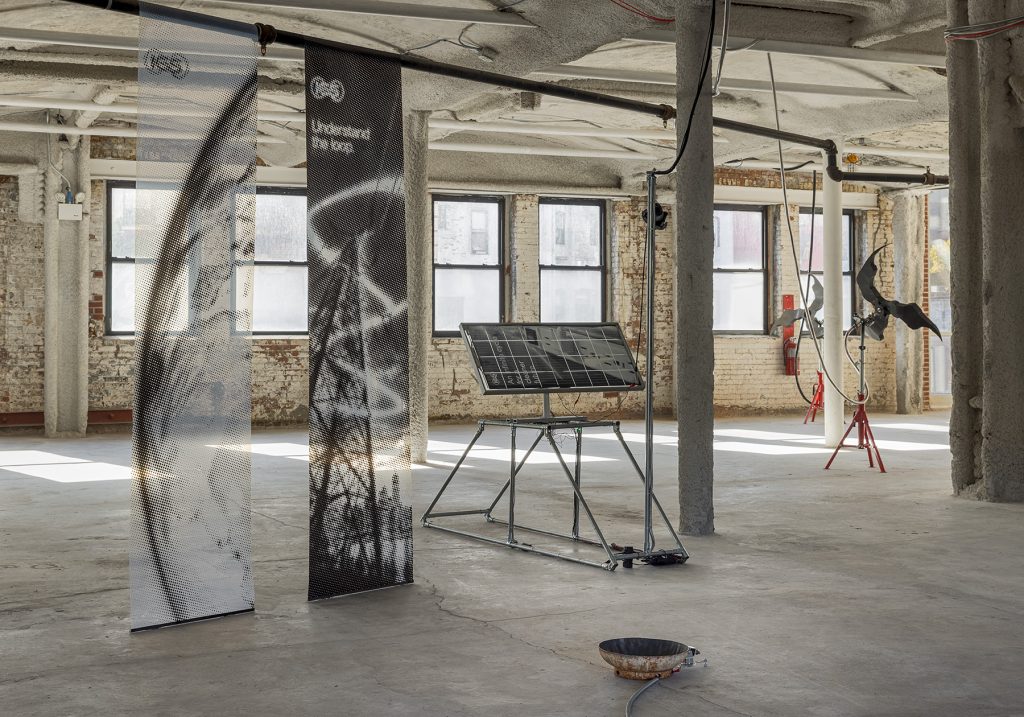
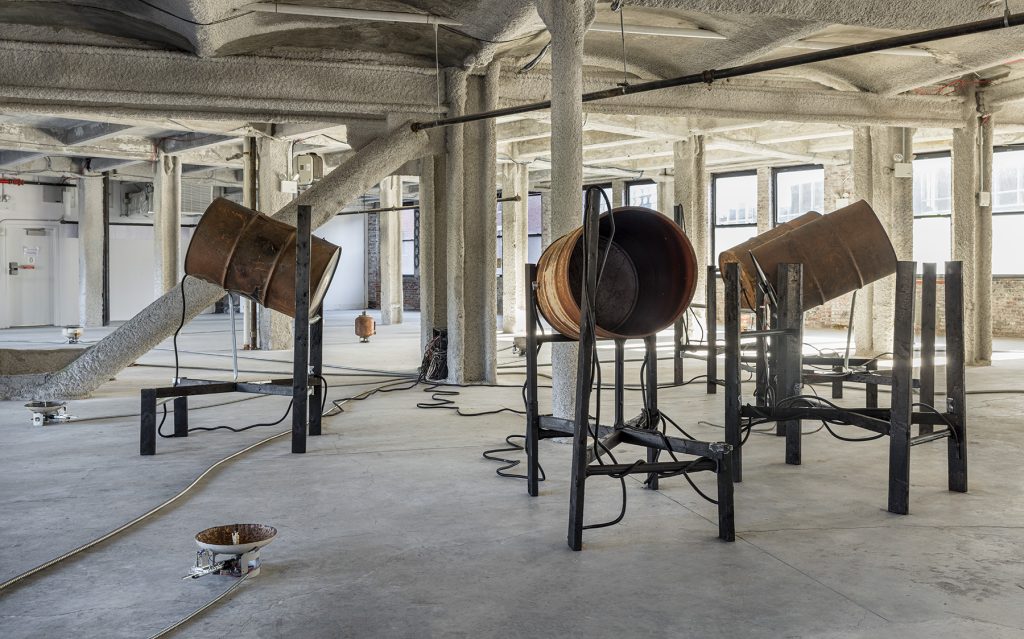
Together, these connected objects form a collective entity. As a result, the room keeps voicing the sounds of its own operation.
Two practices, one company
Jung was born in 1995 and lives and works between New York and Seoul. Her practice models scenarios of global catastrophe through speculative, post-apocalyptic landscapes. She has held solo exhibitions at Simjae Boxing Studio, Museumhead and Art Sonje Center Art Hall in Seoul.
Shirken, born in 1996, lives in New York. His work spans installation, sound, audiovisual performance and sculpture. He also founded 29 Speedway, a record label, performance series and multimedia studio focused on experimental electronic music.
According to the press text, their joint work moves between ruin and emergence. Infinite Energy Hack also has the support of the Korea Arts Management Service.
Artists: Eugene Jung / @newgenejung, Ben Shirken
Photography: Etienne Frossard / @etienne_fro
Location: 461 West 126th Street, New York, United States