
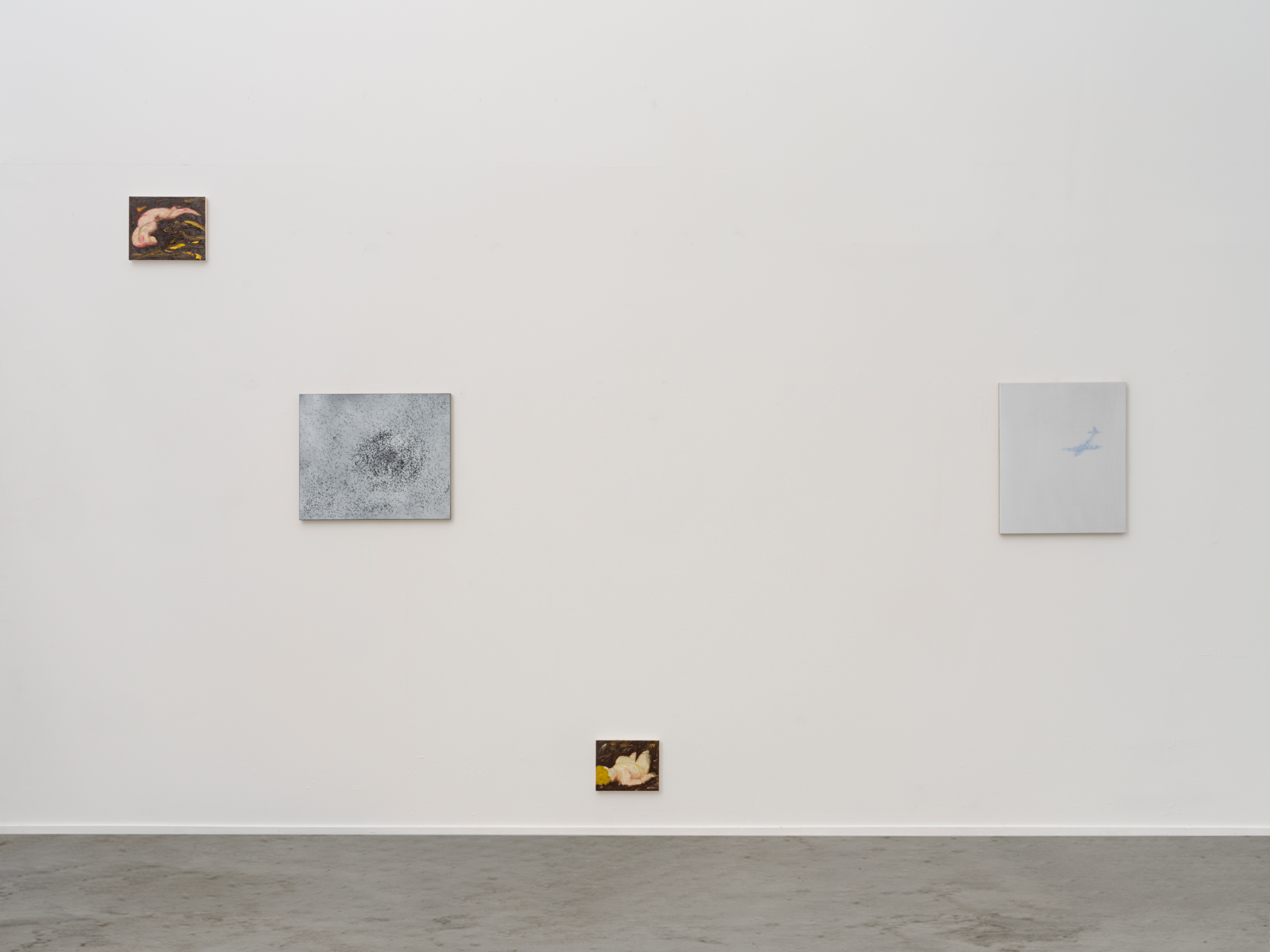
Rachel Howard’s Harvest brings two kinds of looking into the same frame: the detached eye of a military drone and the embodied act of painting. At 447 Space in New York, the artist’s new presentation turns surveillance into a question of distance, responsibility and what it means to witness.
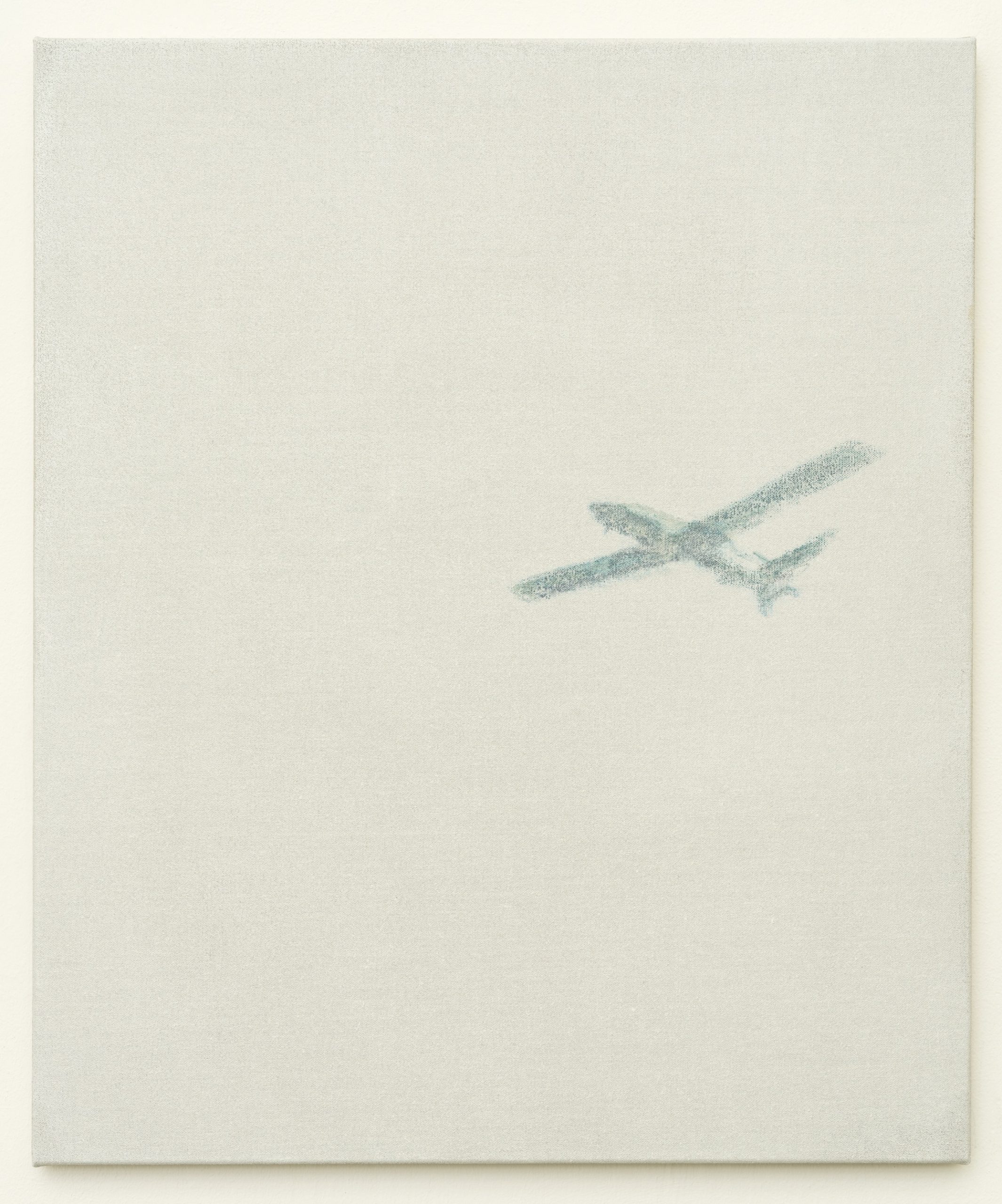
The exhibition moves between aerial views associated with the unmanned Reaper drone and images of muddied infants that recall Peter Paul Rubens’s Massacre of the Innocents. Howard’s paintings bring these visual languages together without smoothing over their difference. The drone image is grainy, monochrome and geometric; paint carries the trace of a hand and the history of an image.
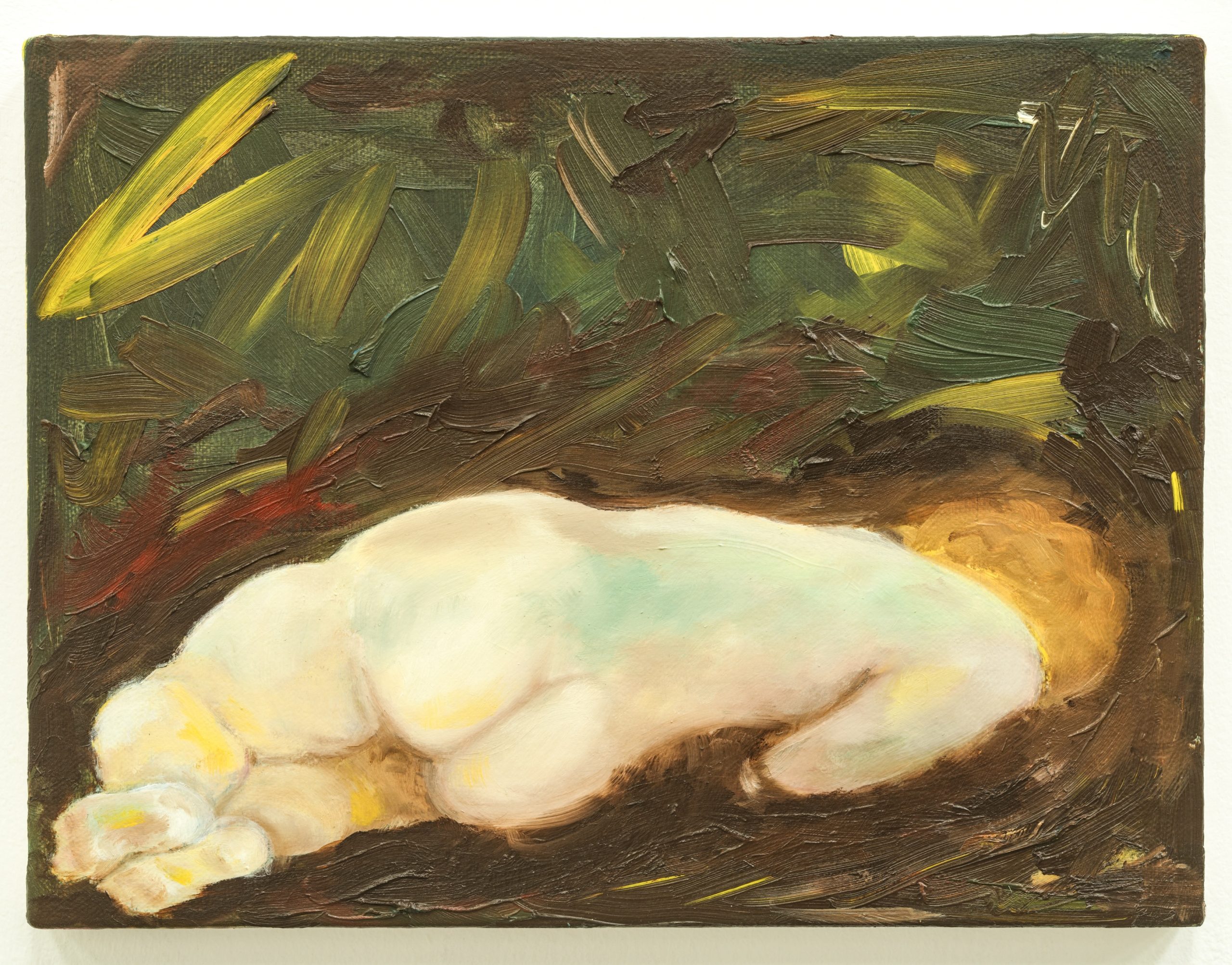
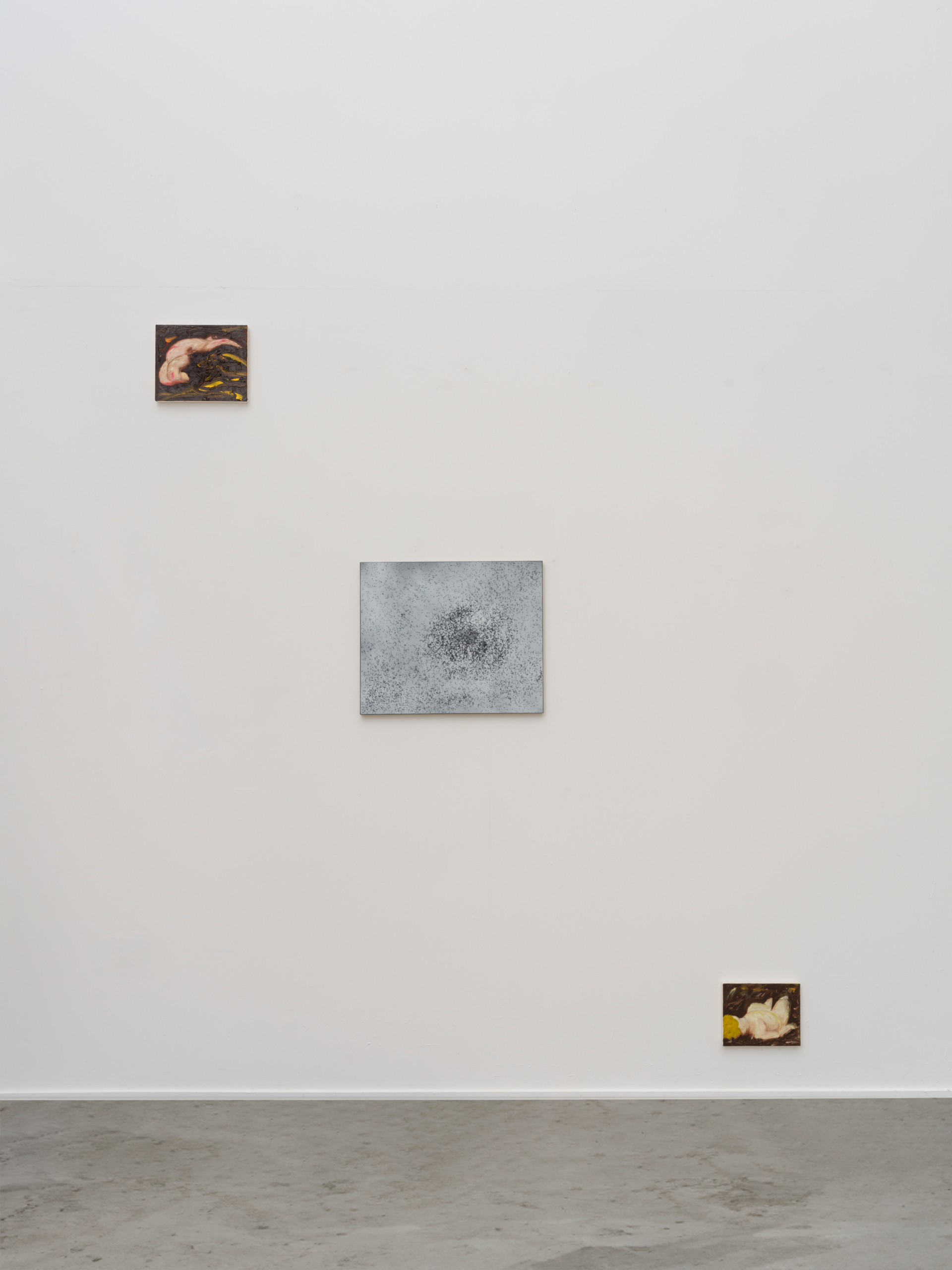
That contrast shifts the viewer’s position. From above, people can be reduced to marks on a screen, watched at a distance and rendered as targets. Lower viewpoints return a sense of scale and vulnerability. The paintings do not describe a new form of violence so much as examine the systems of looking that allow violence to be seen at a remove.
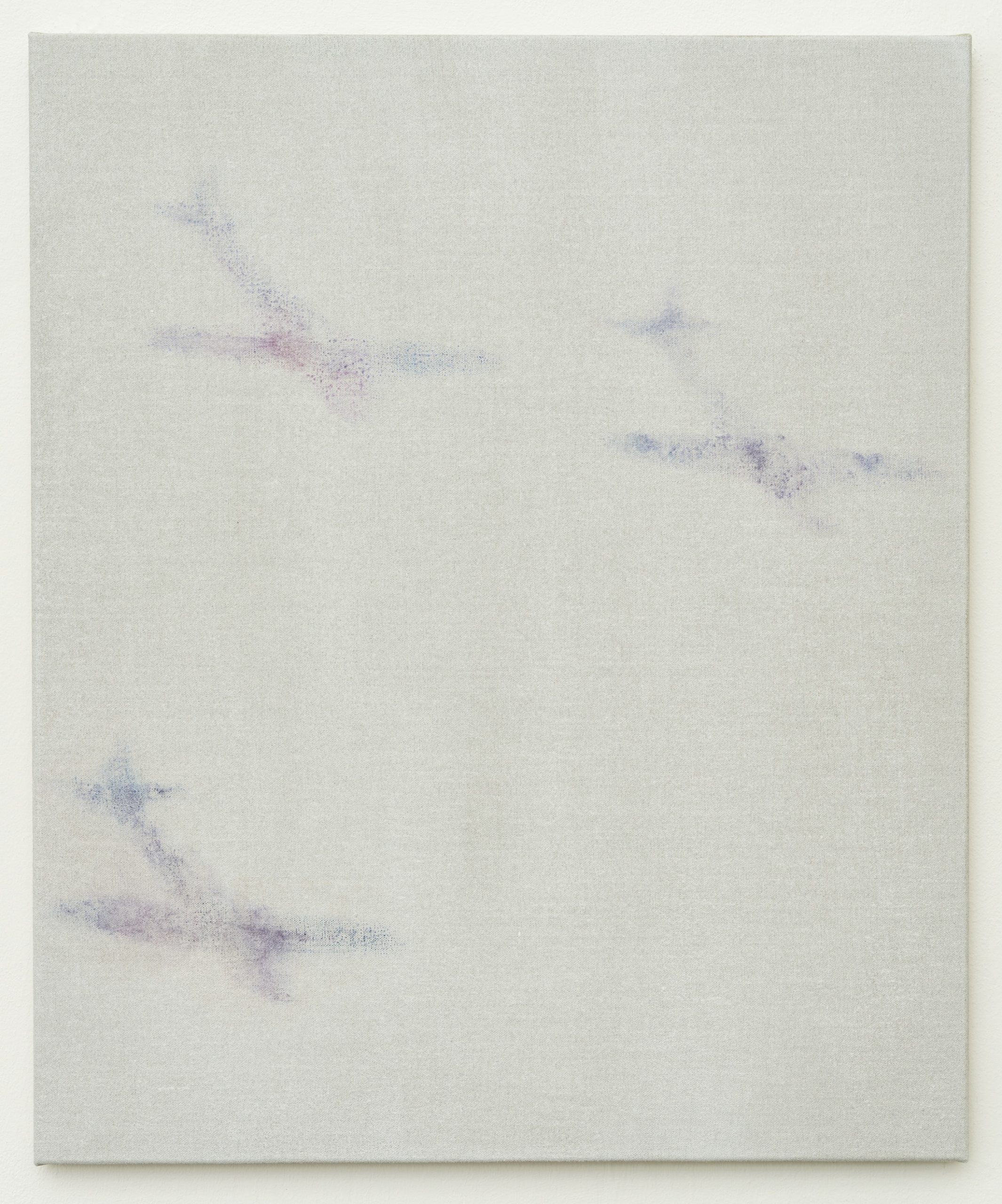
Rubens’s Baroque composition gives the exhibition a historical point of reference. In Howard’s muddied figures, the classical image is neither simply quoted nor preserved intact. Its visual order is disturbed, bringing the vulnerability of its subjects forward. The reference connects the painting to a longer history of power directed at those with little ability to see or resist it.
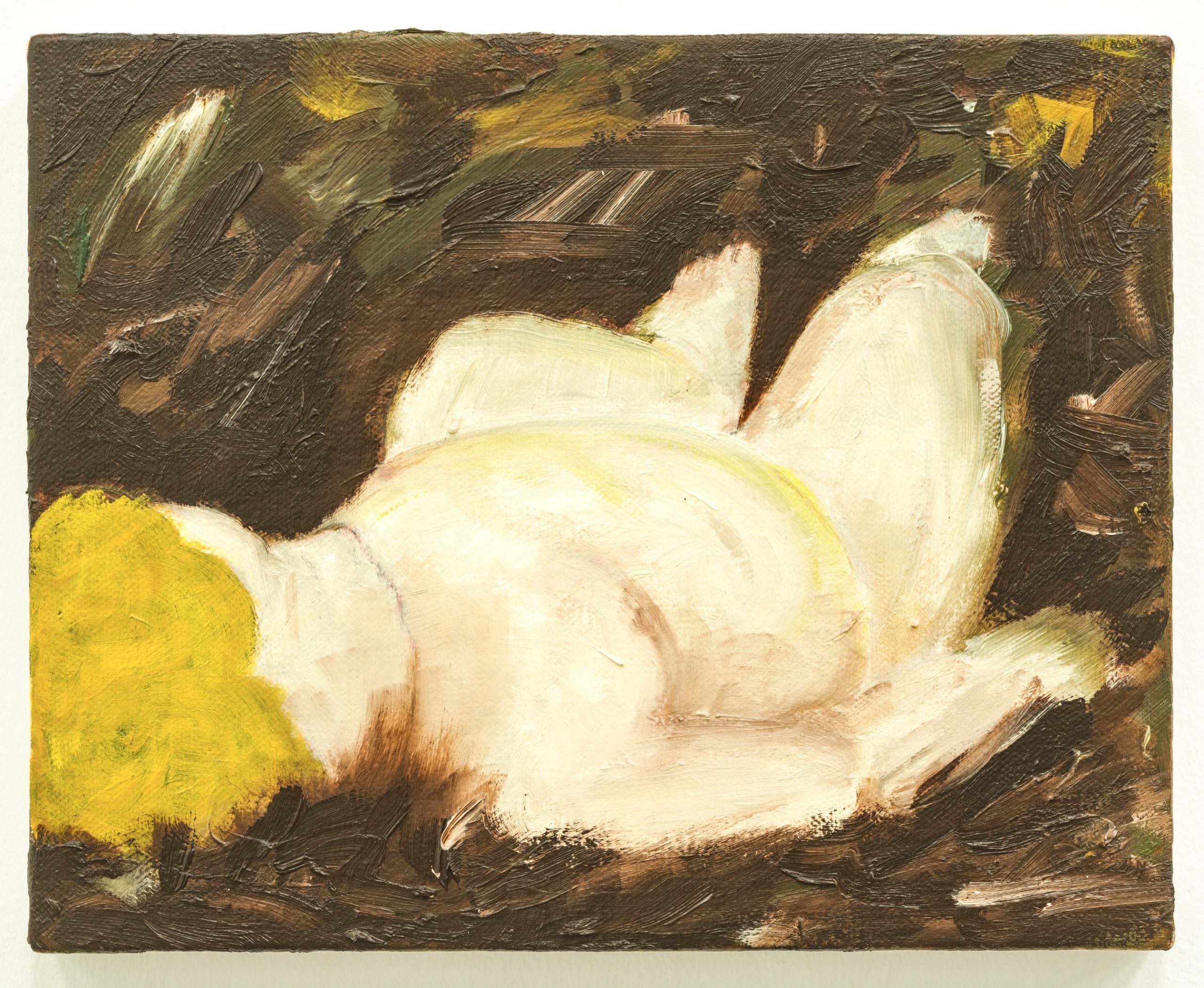
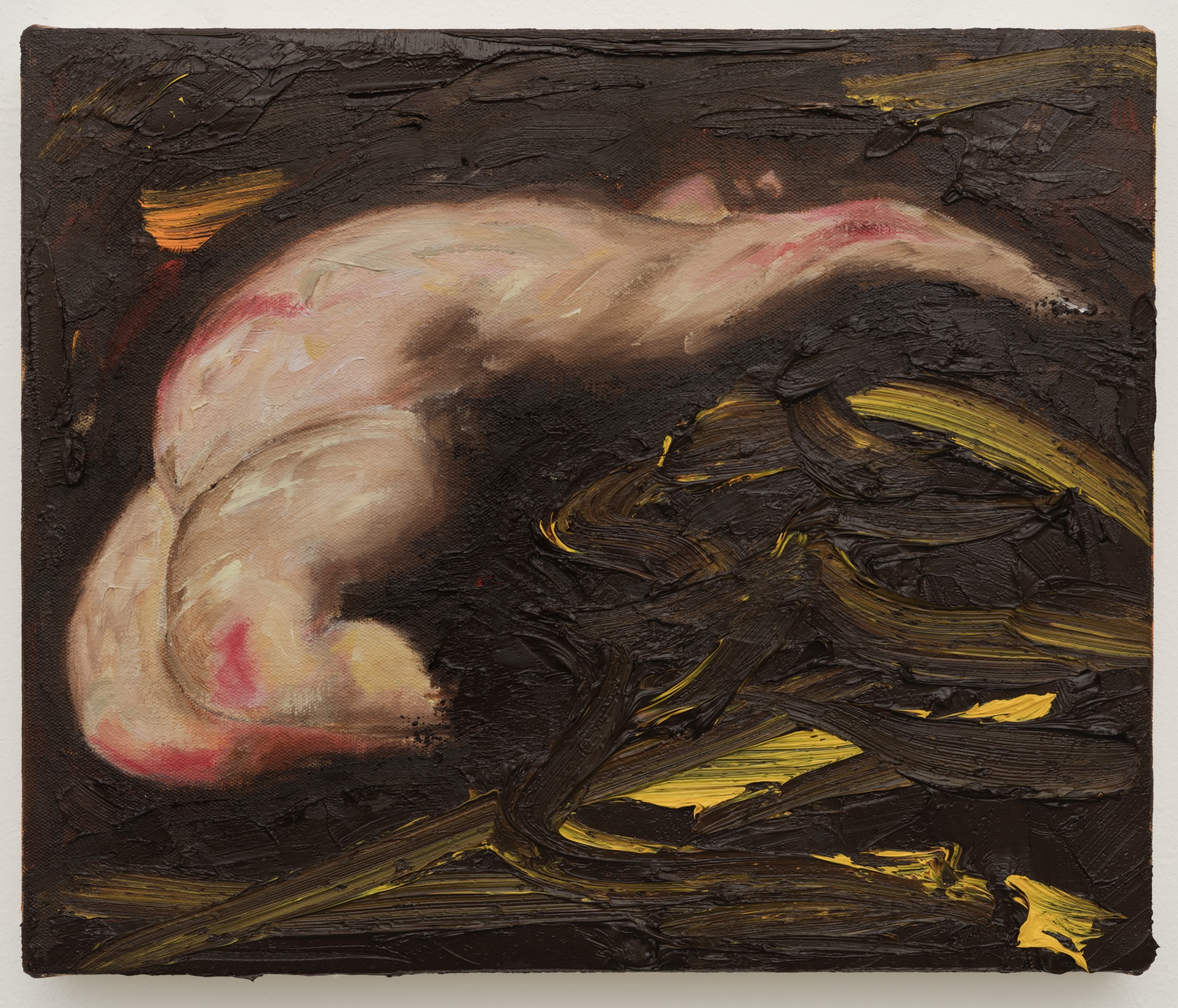
Across Harvest, the act of looking is never neutral. The paintings ask how images shape the distance between observer and observed, and whether a viewer can remain untouched by what is seen. The Reaper’s sensor feed and Rubens’s brushwork sit centuries apart, yet both raise a question about witnessing suffering secondhand.
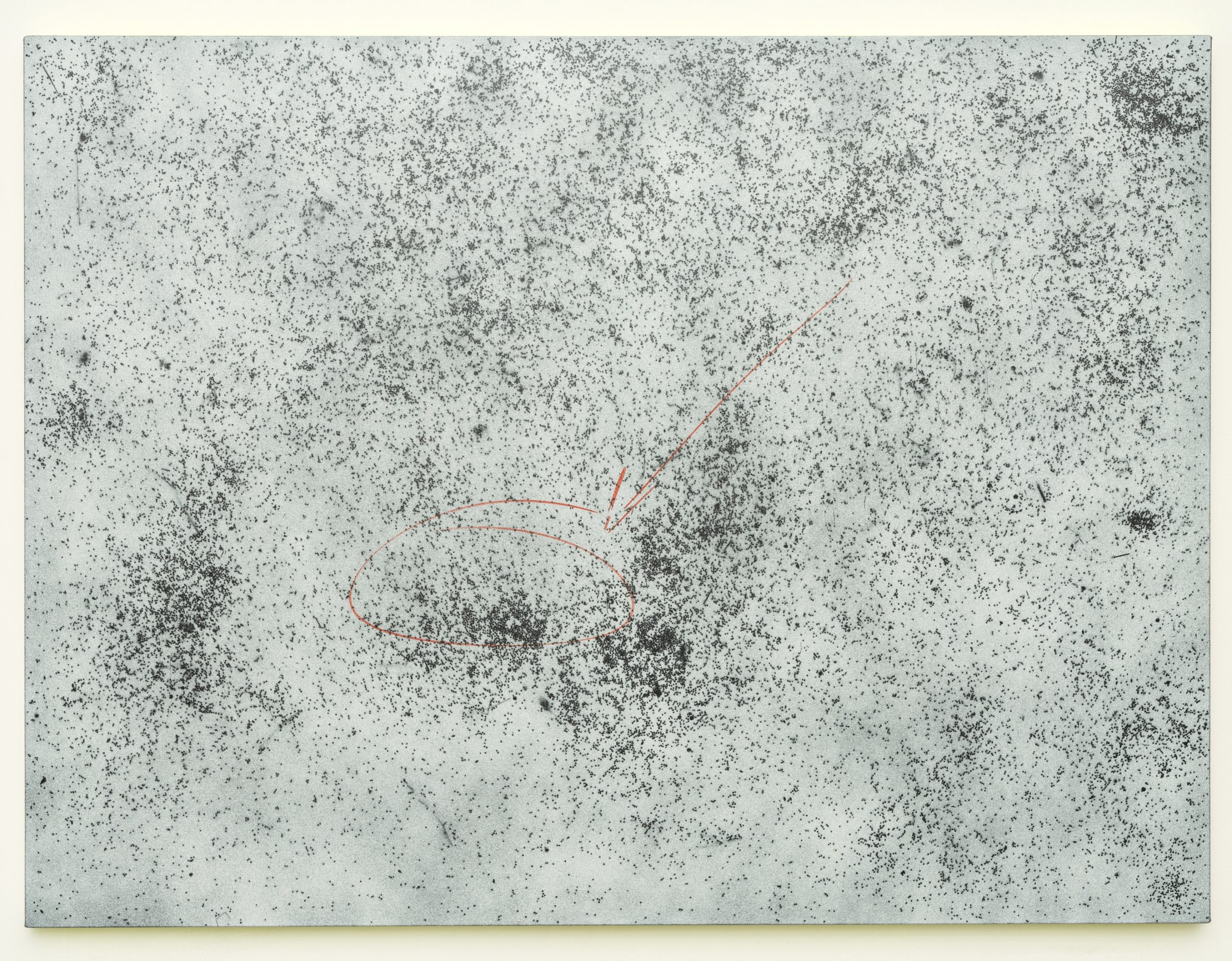
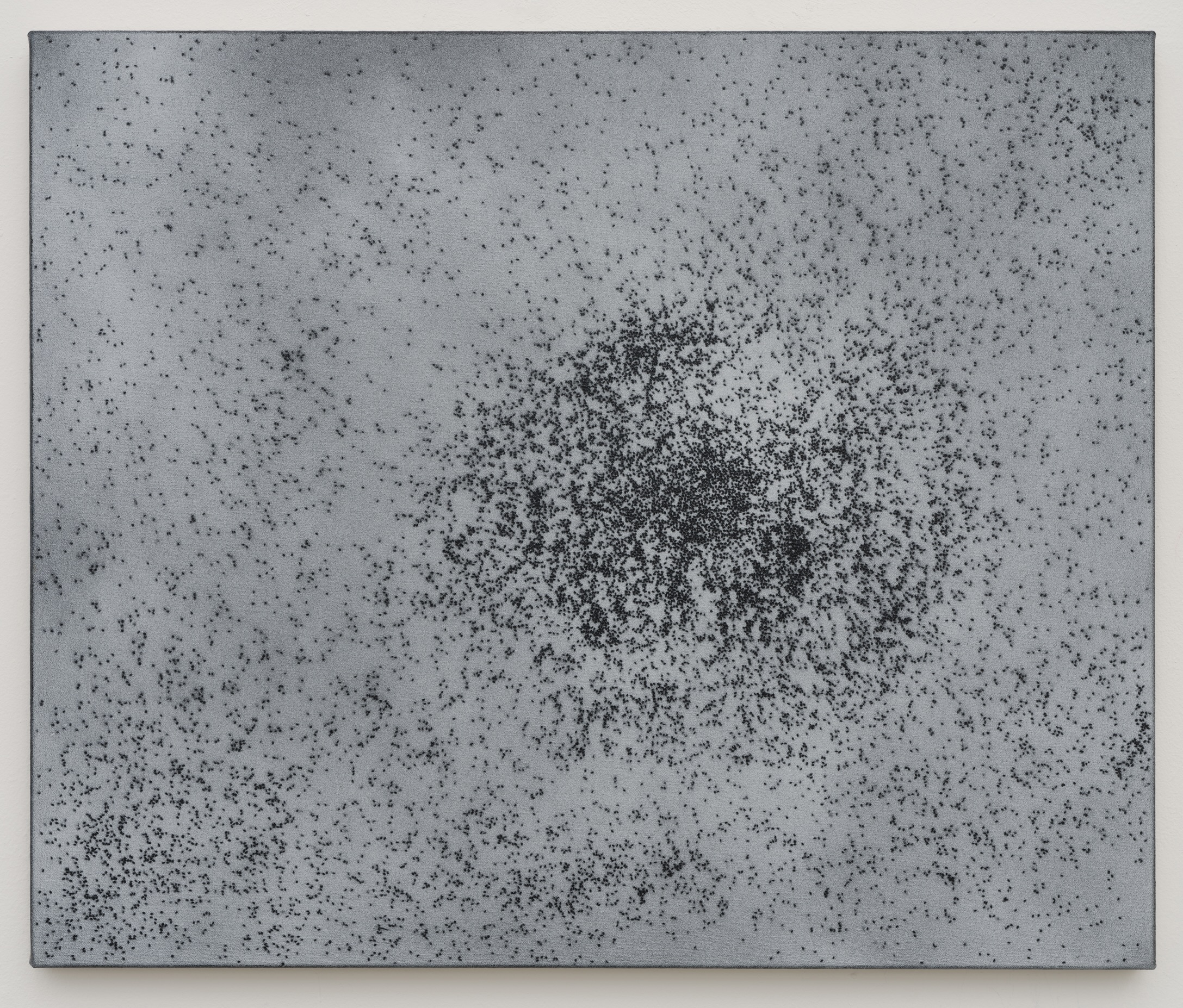
Howard leaves that question unresolved. Instead, the exhibition holds its tensions in view: machine and hand, past and present, victim and target. A final pair of works extends the sequence, keeping attention on how each image changes the position from which we look.
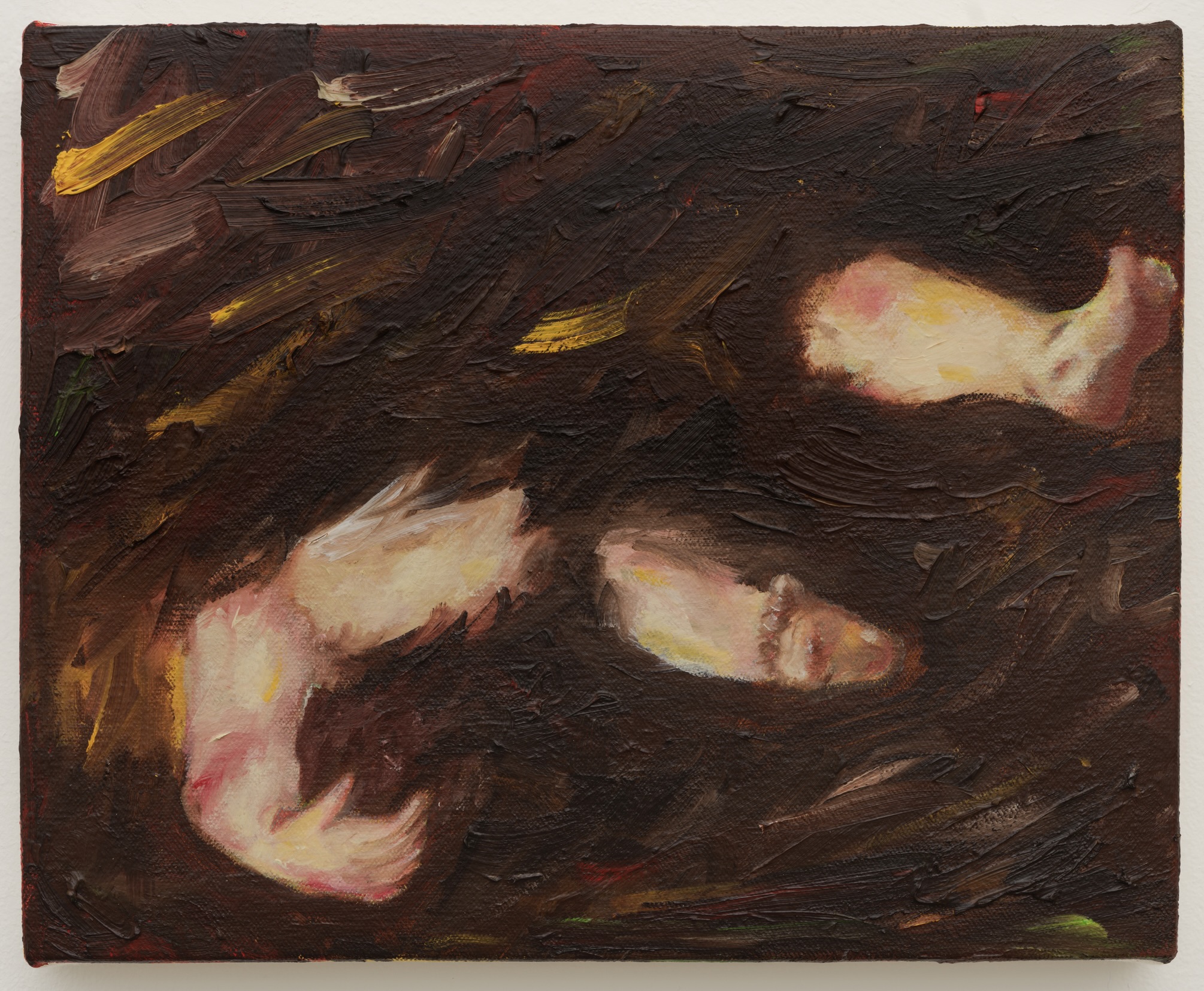
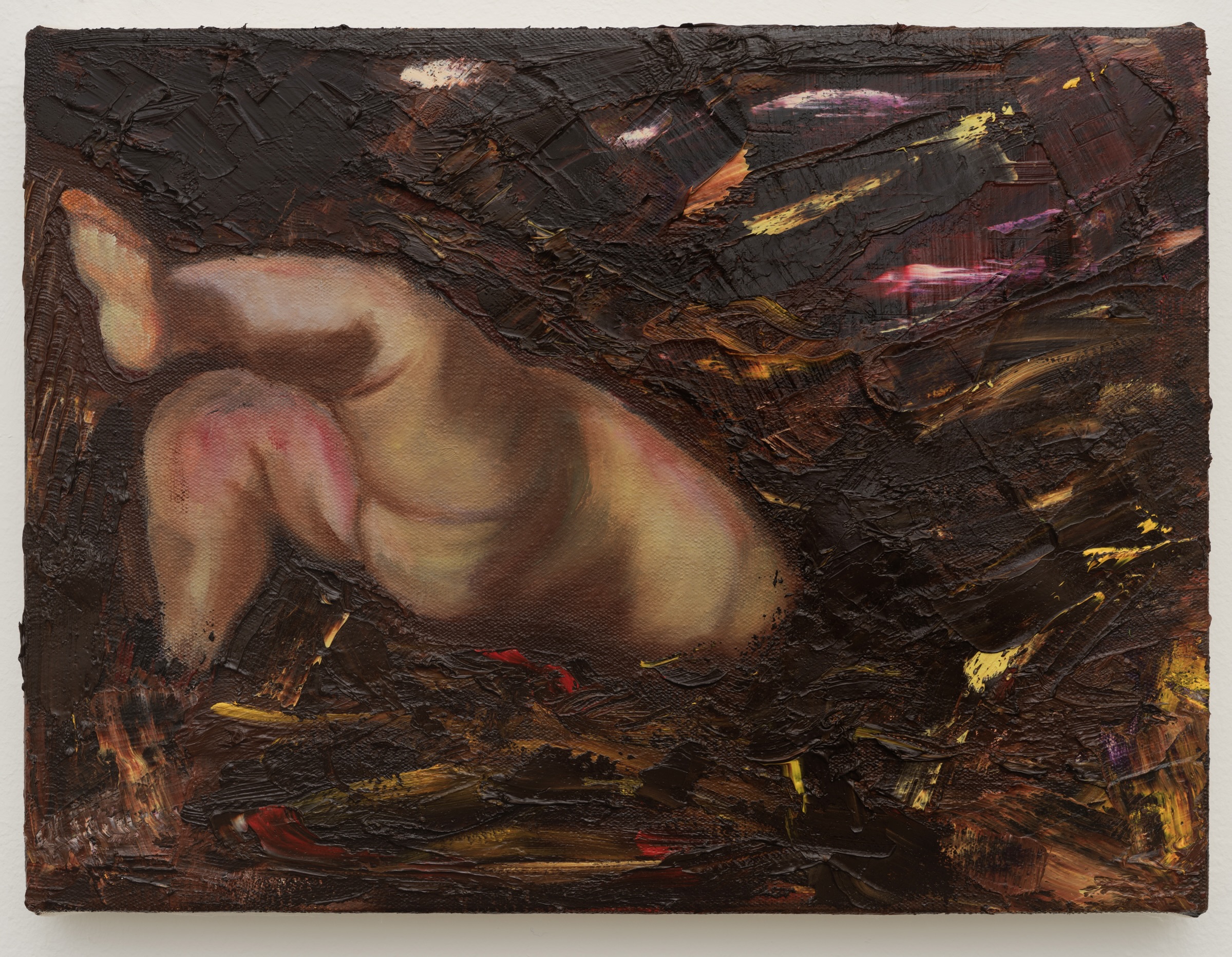
Artist: Rachel Howard / @rachelhowardart
Exhibition: Harvest, 447 Space, New York, 25 September–6 November 2026.
Works: Reaper (Drone 3) (2026), Tap, Tap, Tap (Drone 123) (2026), Swarm (2026), Airdrop (2025), and works from the Mud Baby series (2026).
Images: Rachel Howard / @rachelhowardart; 447 Space / @447__space.