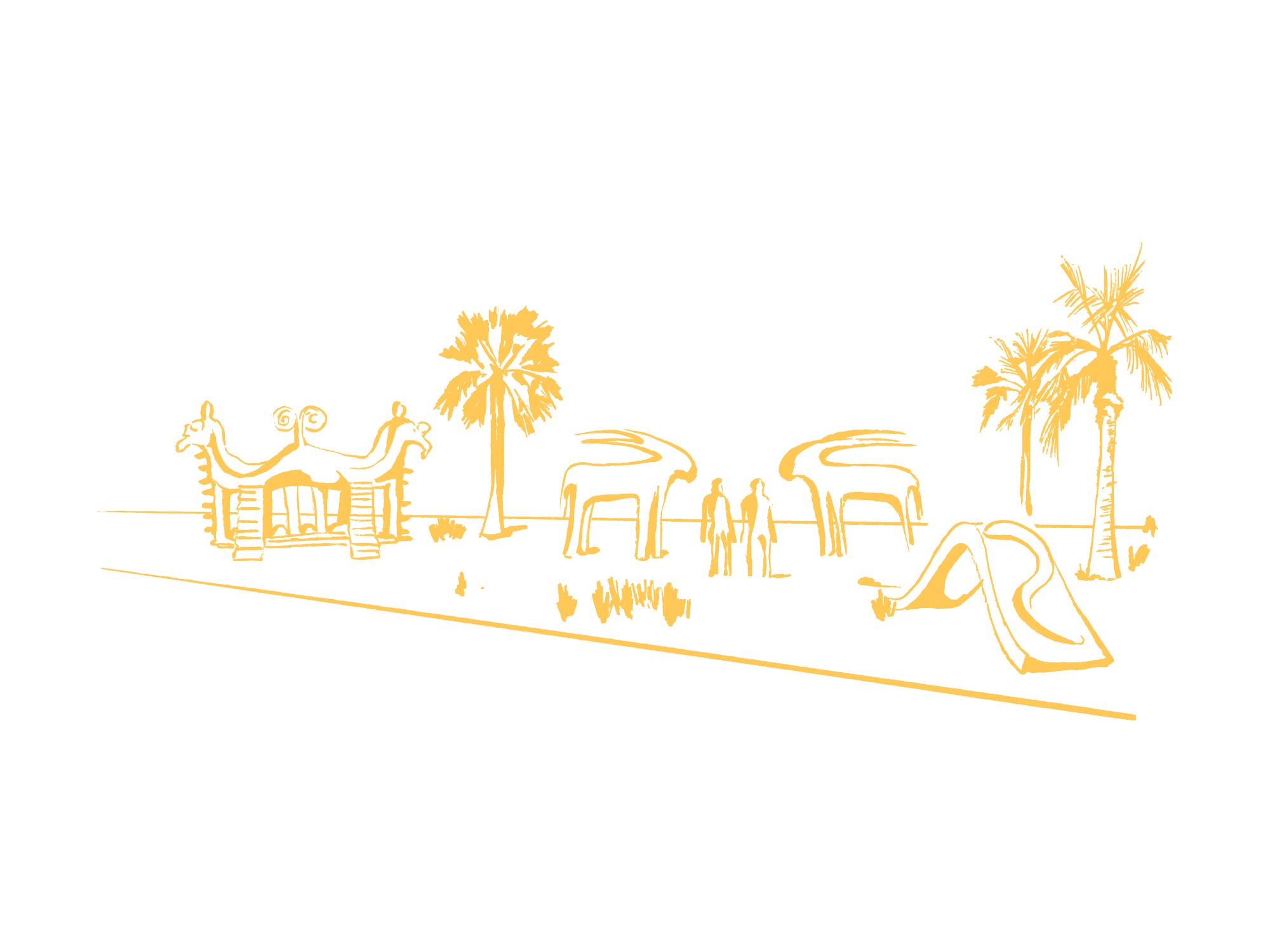
The second edition of the Public Art Abu Dhabi Biennial is on view across Abu Dhabi and Al Ain. Organised by the Department of Culture and Tourism – Abu Dhabi, it brings together 21 Emirati and international artists from 12 countries, presenting 23 works that include monumental site-specific commissions.
Artistic Director Elvira Dyangani Ose, who also directs Zeitz MOCAA in Cape Town, built the edition around the theme Home: A Glossary for a Communal Sense of Place. Rather than a fixed geography or a single identity, home appears here as a shared and evolving condition. Framed as a glossary, the biennial treats it as something collectively authored through language, memory, ritual and everyday practice.
The works occupy six outdoor locations. In Al Ain, Al Qattara Oasis and Al Towayya Roundabout opened on 23 October 2026. In Abu Dhabi, Souq Al Mina, Mina Zayed (MiZa), the Saadiyat Cultural District and Hidd Al Saadiyat followed on 15 November. Both cities run until 15 February 2027.
Al Ain
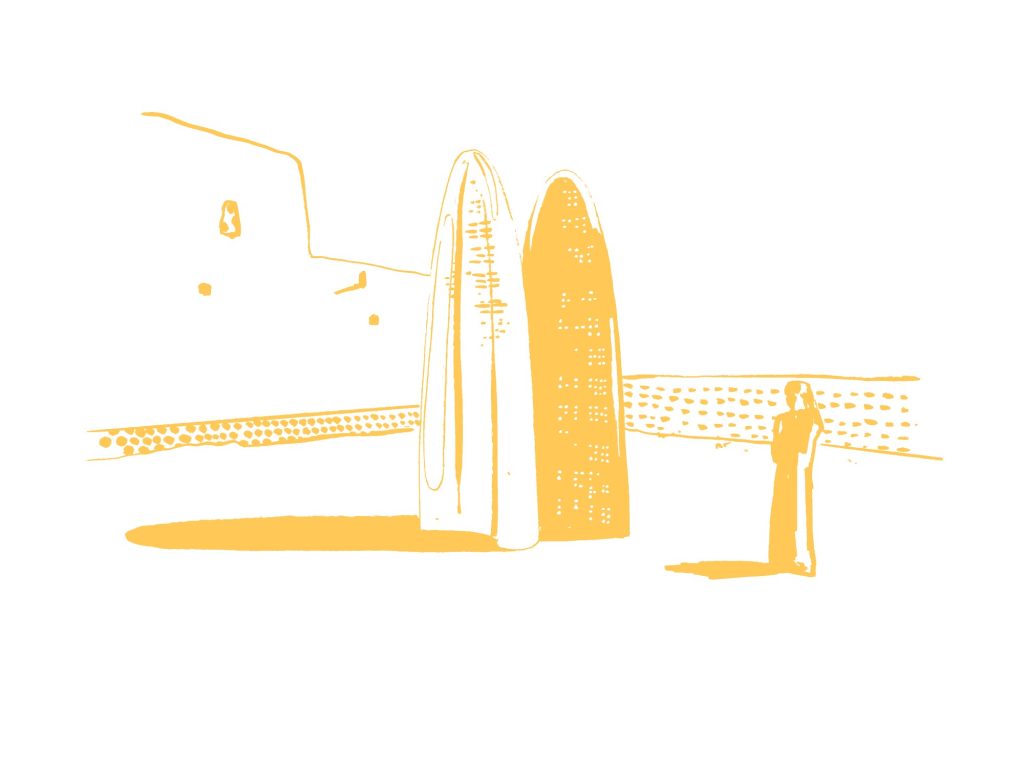
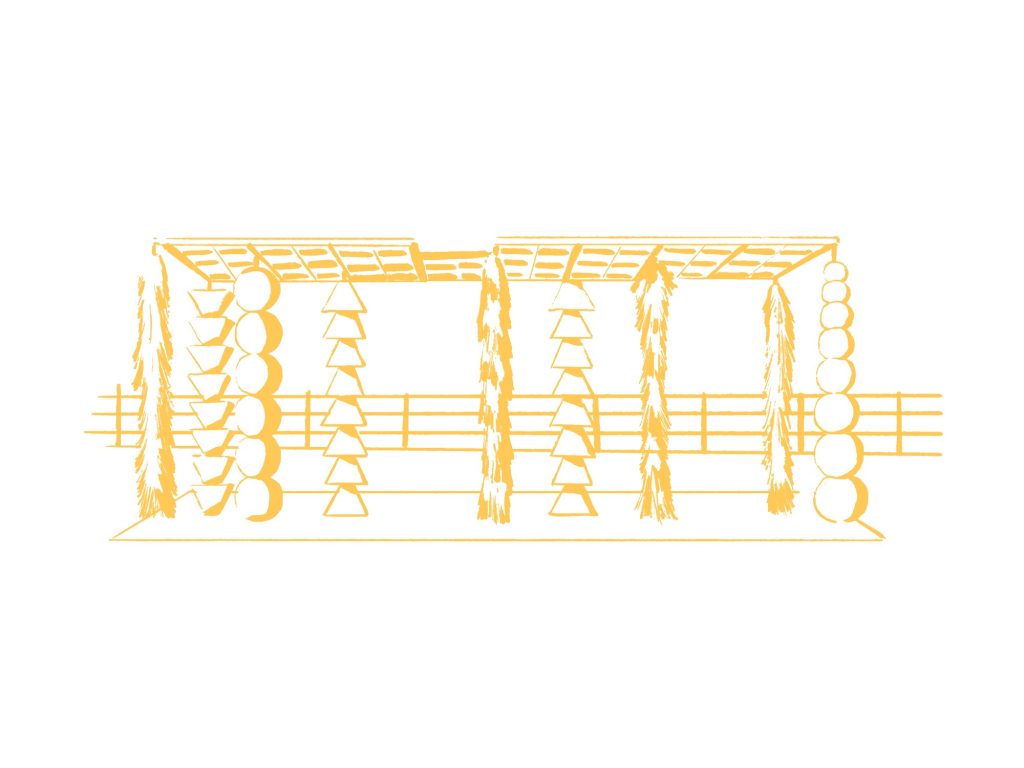
M’barek Bouhchichi reimagines the pigeon tower, a vernacular architecture found from North Africa to the Emirates, as a space of refuge and passage. Across its structures, a poem from Al Nahma, the traditional Emirati sea shanties, unfolds in Braille.
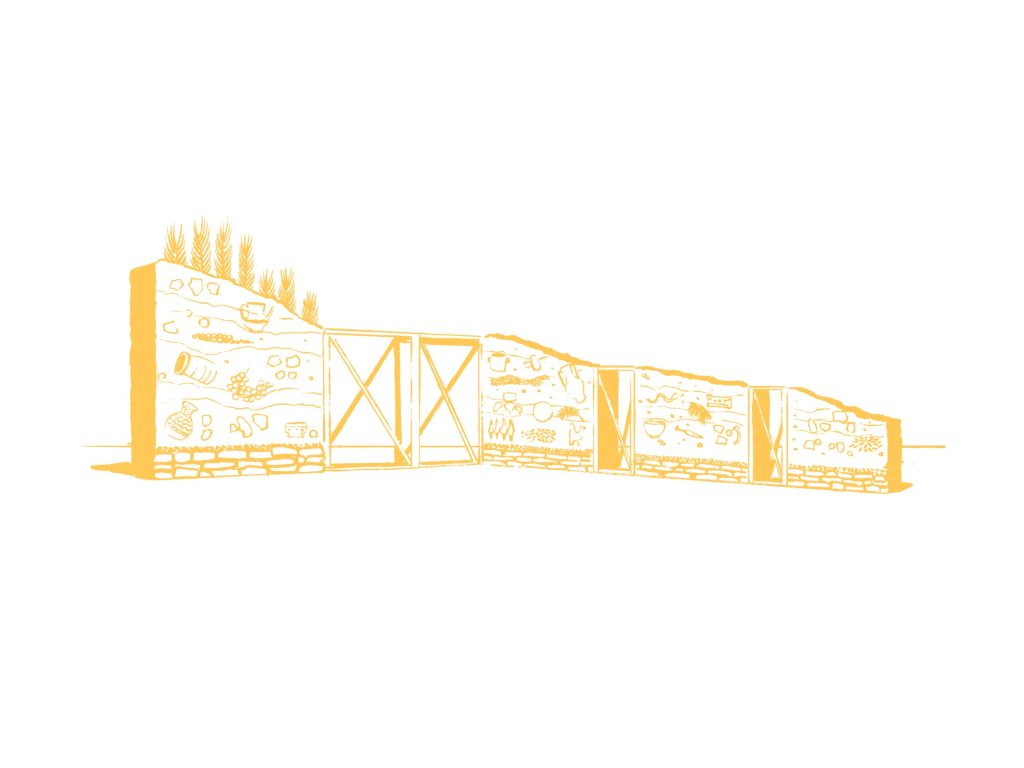
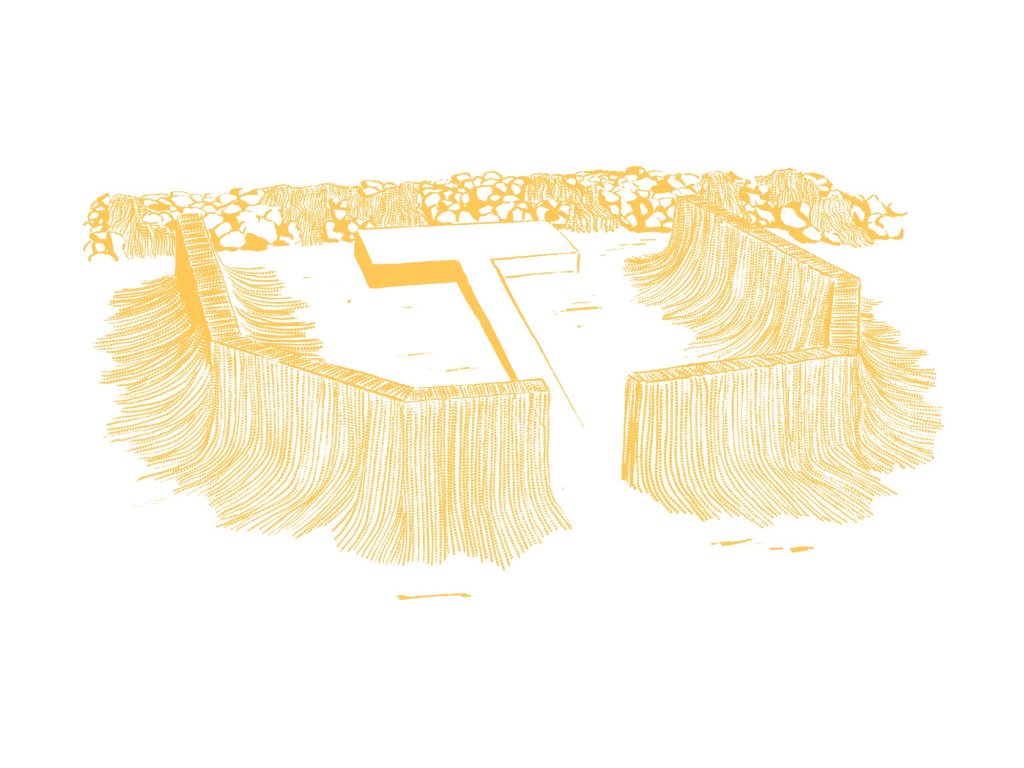
At Al Qattara Oasis, part of the UNESCO World Heritage Site of Al Ain, Asunción Molinos Gordo’s Bil Hana wa Al Afia centres on Al Aflaj, irrigation systems that originated in the Iron Age. Its rammed-earth walls form a root-like plan with seven stratigraphic layers, each holding material traces from a different period.
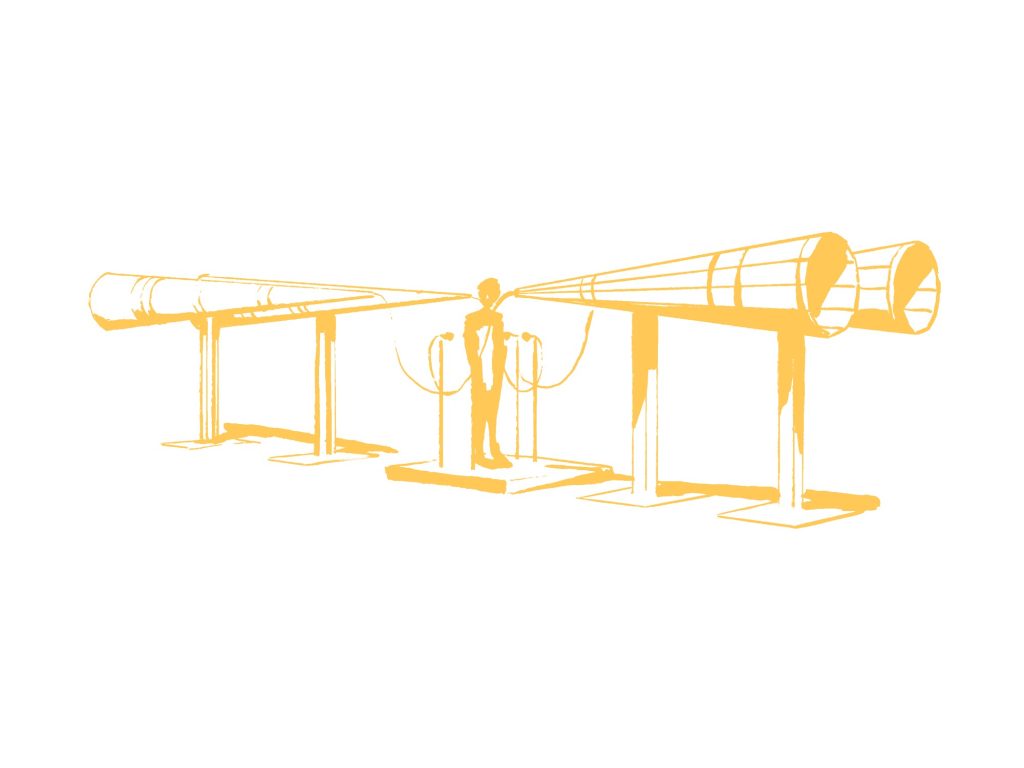
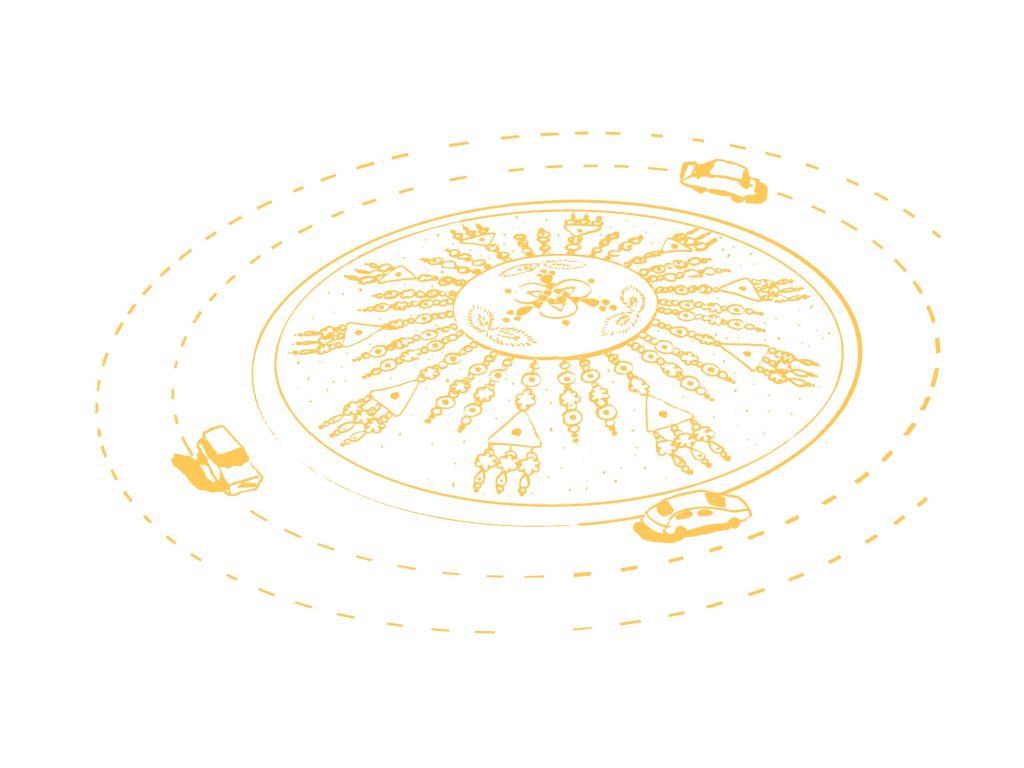
Also in the oasis, Reena Saini Kallat turns twentieth-century acoustic locators, once built to detect distant aircraft, into vessels for the calls of extinct and critically endangered birds. Meanwhile, Roudhah Al Mazrouei’s Tassa scales up the traditional Emirati gold headpiece into a landscape across an Al Ain roundabout. She developed it through conversations and workshops with children.
The port city
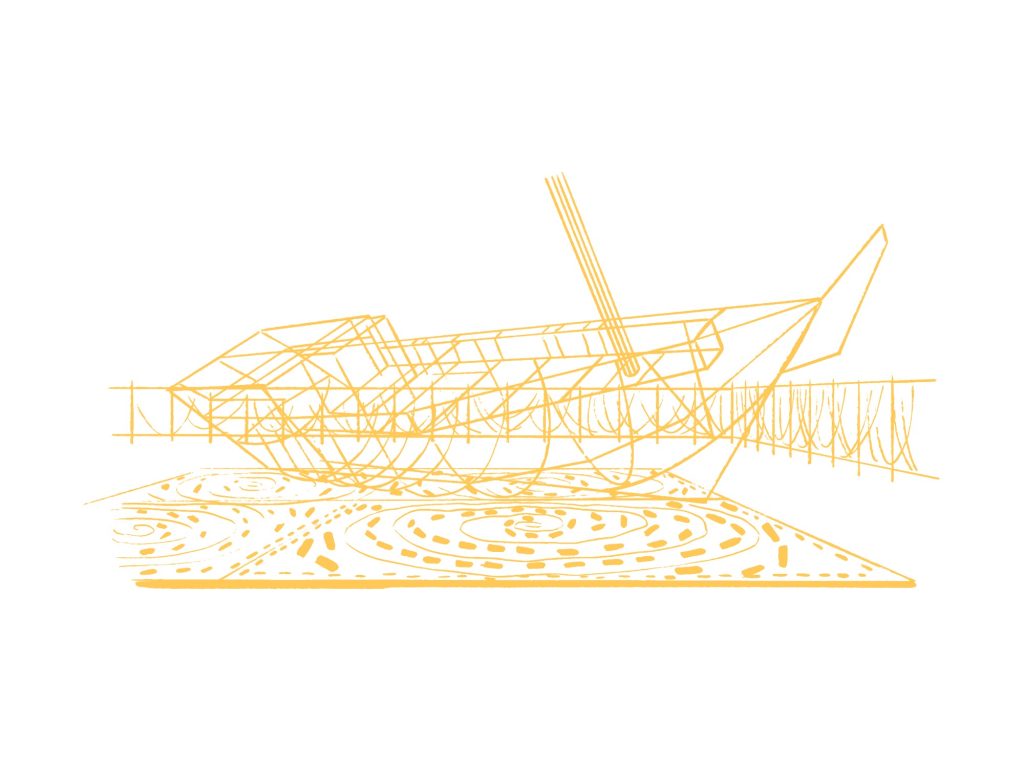
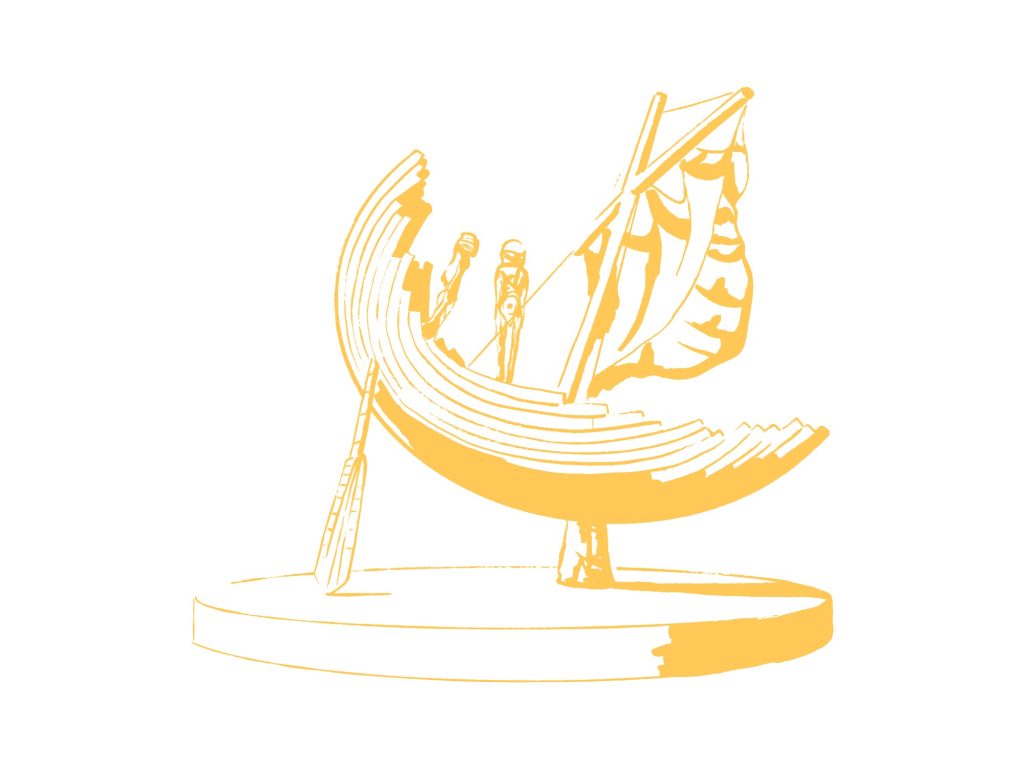
Several works respond to Abu Dhabi’s history as a port. Nari Ward’s Ground Break Duty raises the open frame of a dhow from a copper ground, using rebar, rope, fishing nets and found objects. Jean-Marie Appriou’s Horizons (2023), an aluminium vessel carrying two astronauts, draws on the ancient Egyptian solar boats.
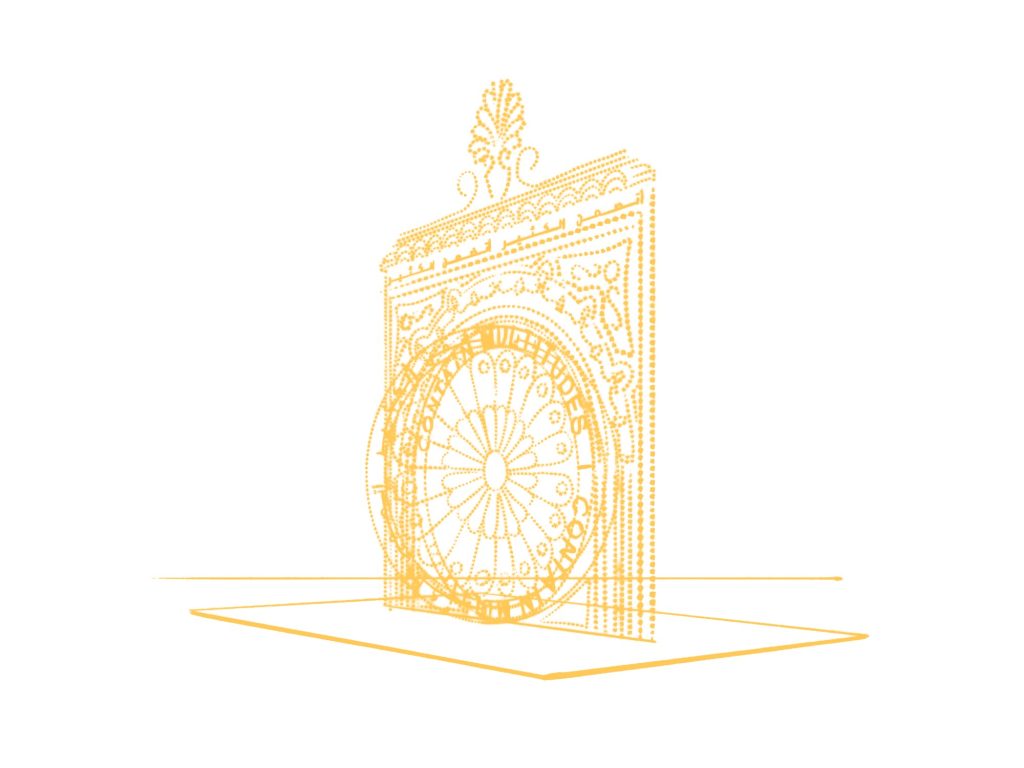
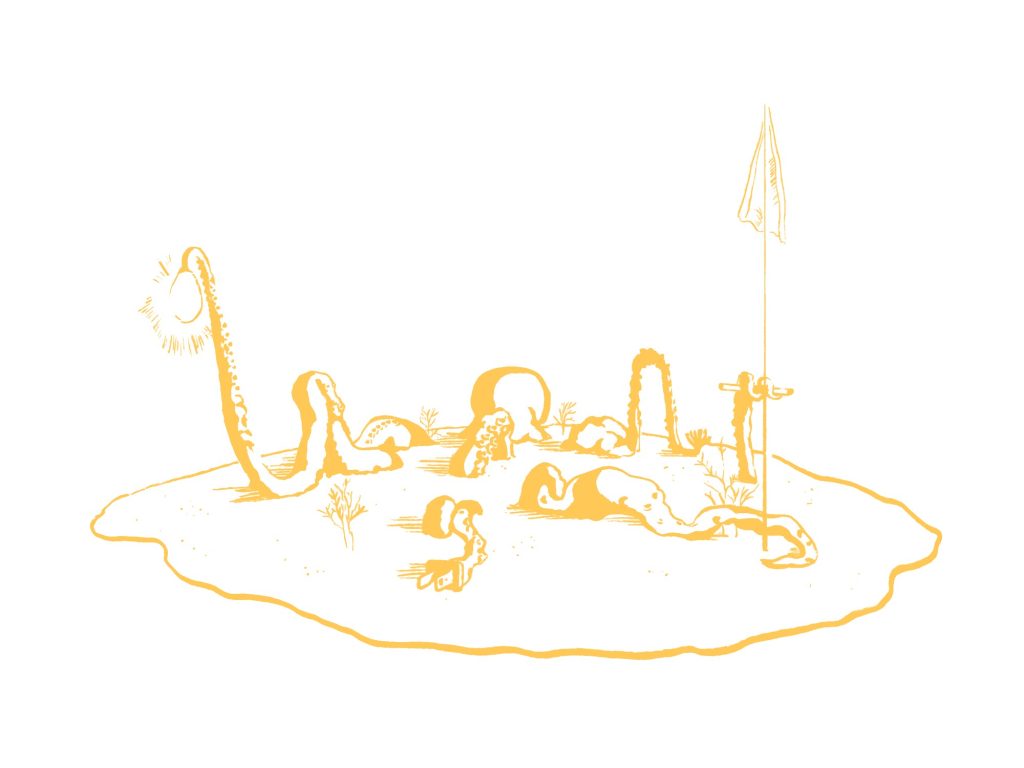
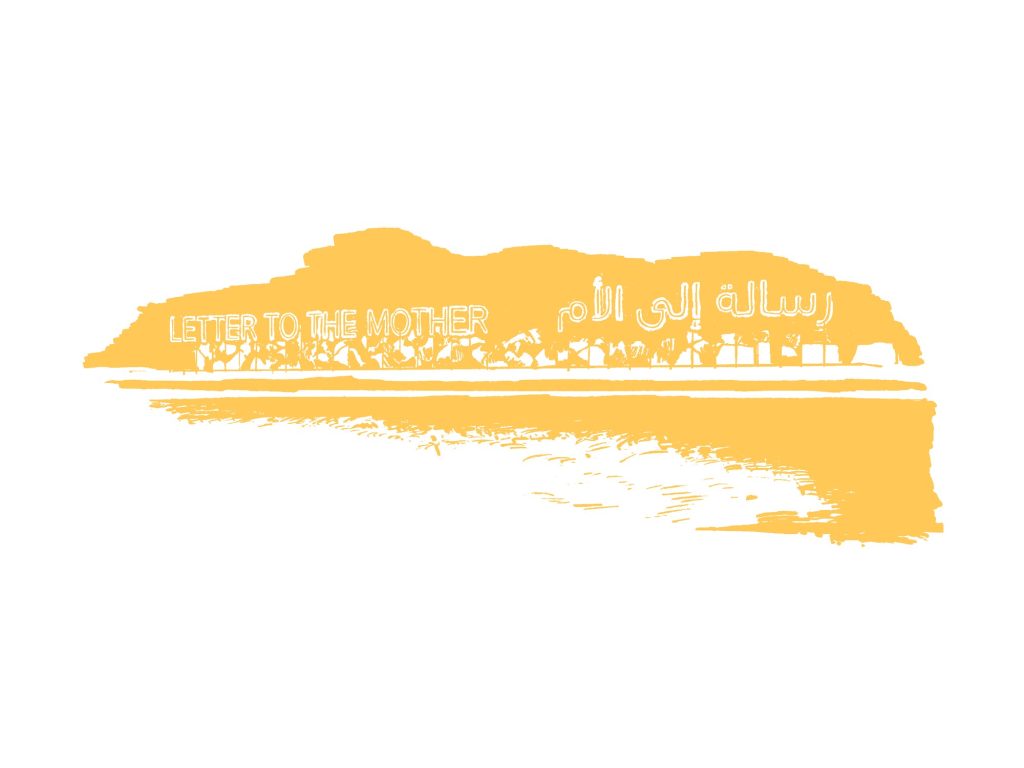
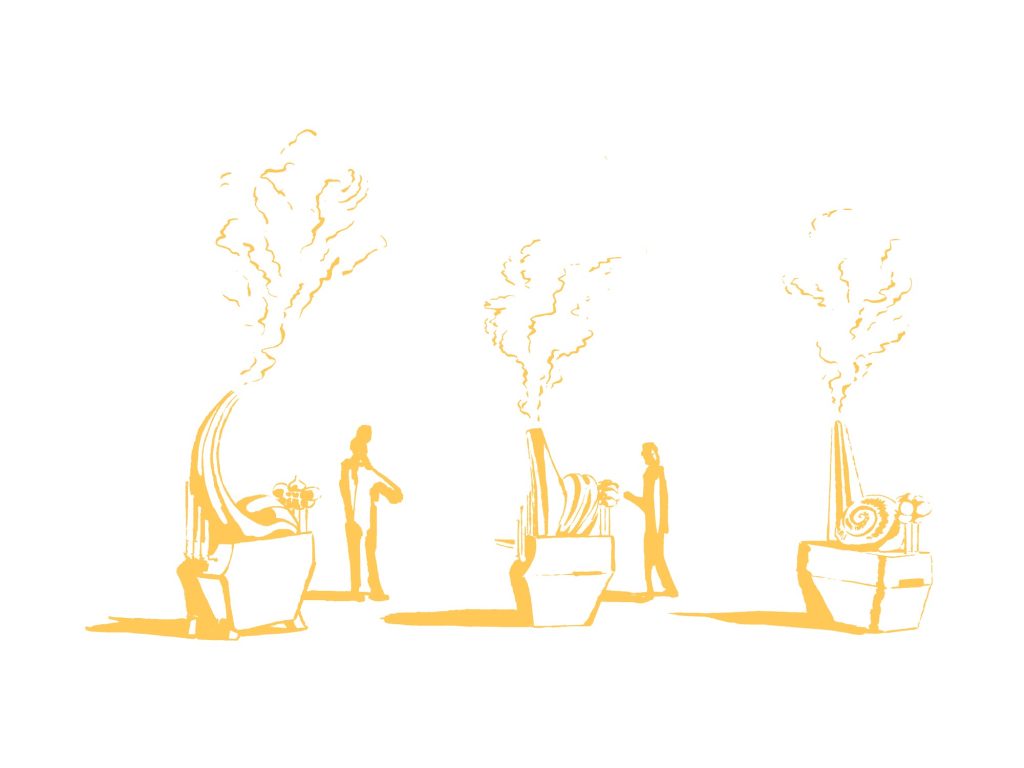
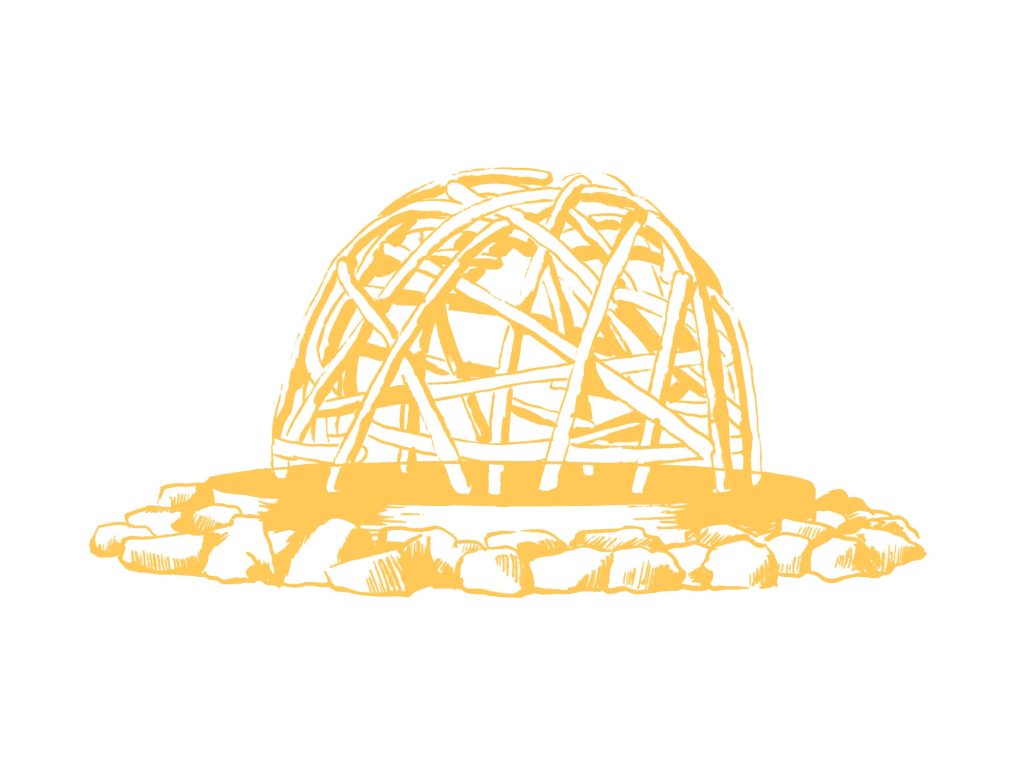
At Souq Al Mina, Marinella Senatore reworks the Italian luminaria, a light structure built for civic and religious celebrations, as an architecture of gathering. Nearby, Laure Prouvost’s octopus carries a flag reading “Ideally You Would Sea Where to Go.” Elena del Rivero’s bilingual neon Letter to the Mother stands along the rocks with the water behind it. In addition, Vica Pacheco’s OO! (Oven-Organ) turns three sounding ovens into a polyphonic organ driven by fire, water and steam.
Heritage, trade and movement
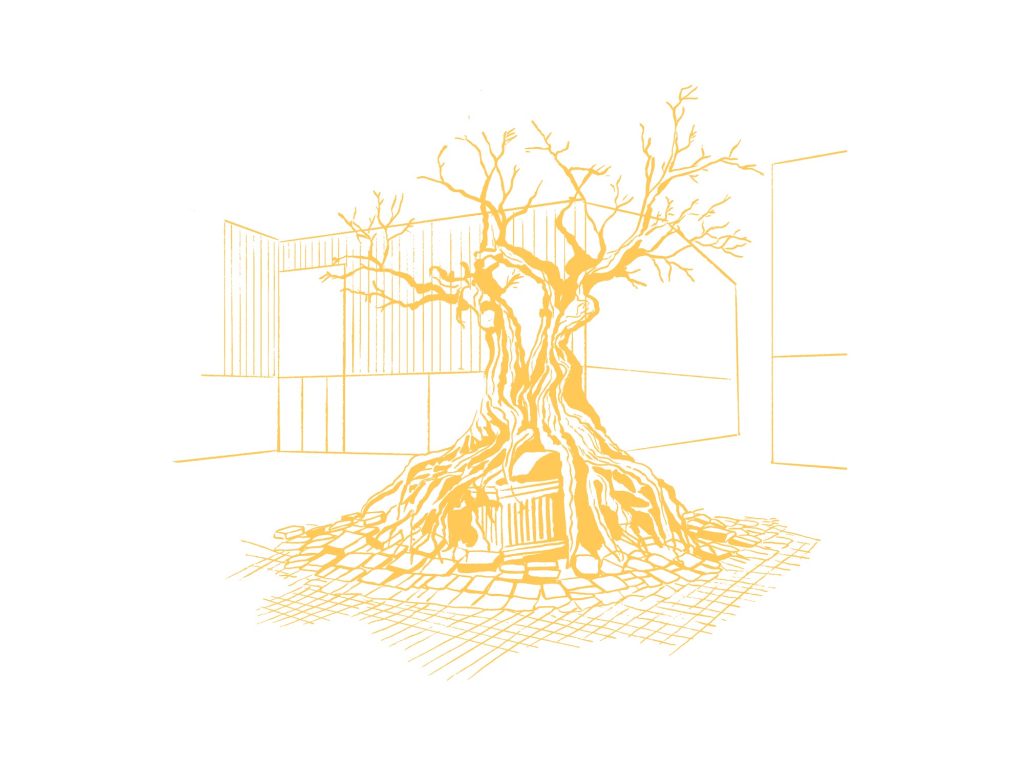
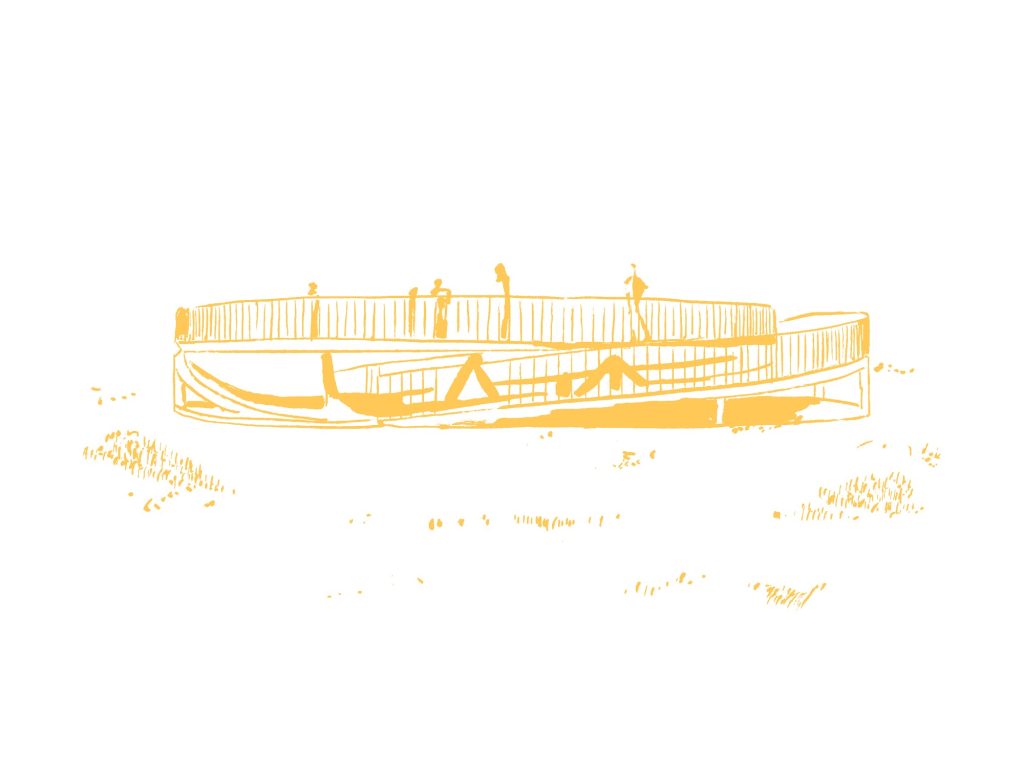
Akram Zaatari’s Above and Below follows an olive tree whose roots envelop an ancient sarcophagus; extracting the object would mean sacrificing the tree. Iván Argote’s Figurines enlarges archaeological objects from Umm Al Nar and Jebel Hafeet to human scale, turning them into a landscape for gathering and play. His second work, The Other, Me & The Others, is a circular seesaw that only moves through collective action.
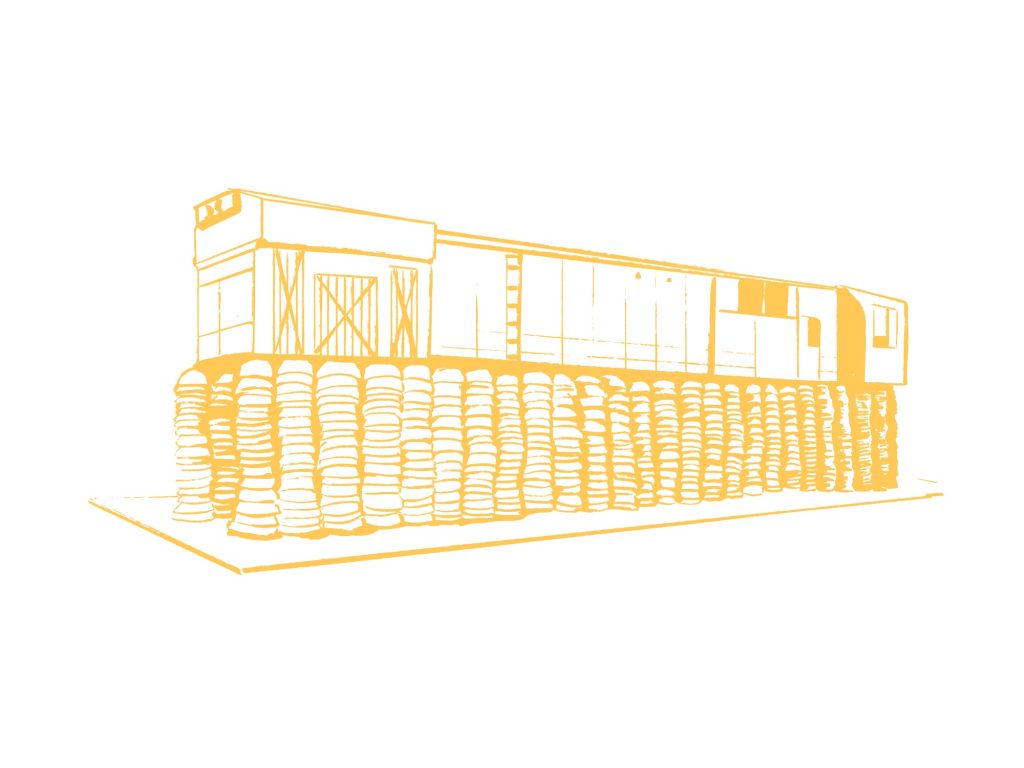
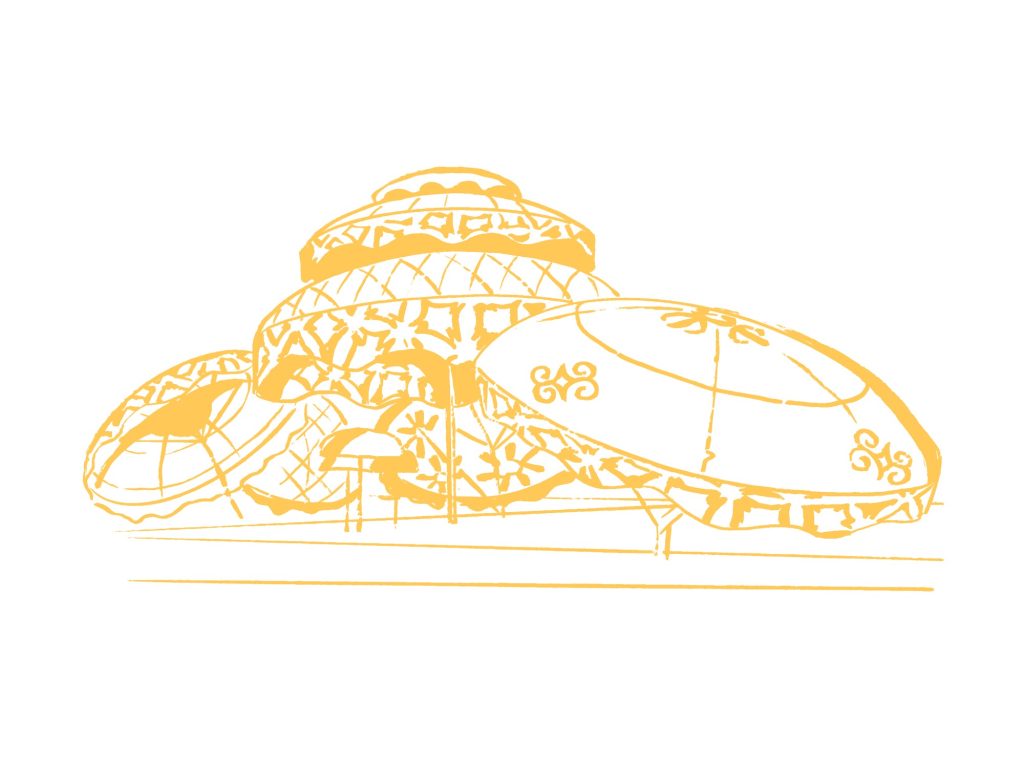
Ibrahim Mahama’s Zilijifa II centres on a decommissioned diesel locomotive from Ghana’s railway system, developed under British colonial rule. Elsewhere, blaxTARLINES reassembles the Ghanaian royal umbrella as civic architecture. Kapwani Kiwanga’s pavilion Plotting Rest, for its part, takes its roof from the “Flying Geese” quilt pattern. Serge Attukwei Clottey brings Afrogallonism, his language built around the yellow Kuffuor gallon, to the Abu Dhabi coast.
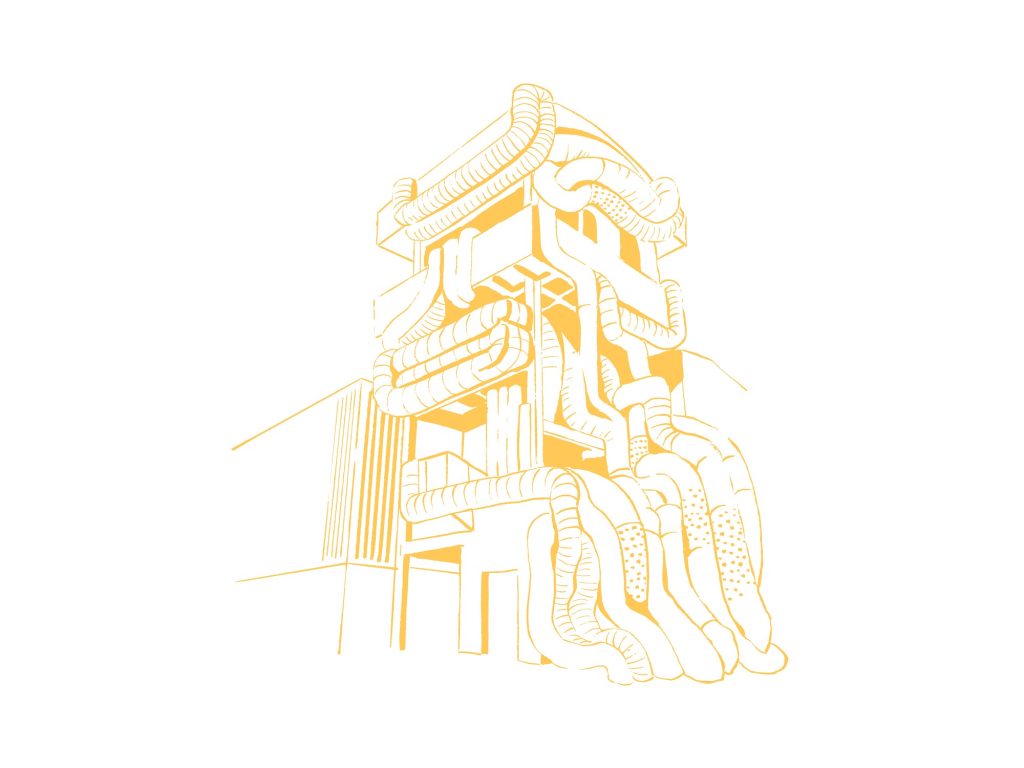
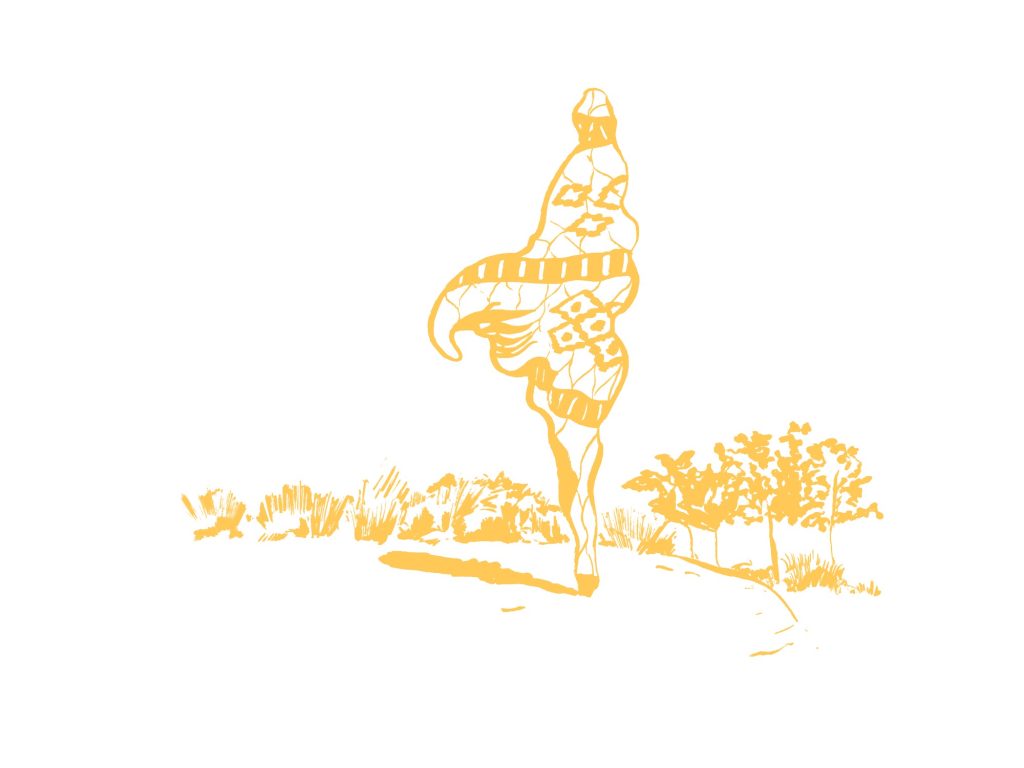
Khalid Al Banna renders the gargour, the traditional Emirati fishing trap, in soft primary and secondary colours. Shama Al Hamed wraps the MiZa Observation Deck in aluminium ventilation ducting. Yinka Shonibare’s Wind Sculpture (TG) III combines his Dutch wax patterns with Emirati Sadu motifs. Similarly, Mercedes Azpilicueta’s Montipora foliosa links the Arabian Gulf with Argentina’s San Jorge Gulf through a coral species. Finally, in Céleste Boursier-Mougenot’s clinamen (v.13), porcelain bowls drift and collide on water to make sound.
Talks and parallel programmes
On 20 November, Iván Argote joins Riwaq Al Fikr, the ADMAF talks series, on the main stage at Souq Al Mina. The panel looks at how art shapes the way children experience the world, bringing together the biennial’s theme and the Children’s Biennale, How the World Feels. The Children’s Biennale runs as a parallel programme at Umm Al Emarat Park until 6 December 2026.
Argote and Appriou also appear in Perrotin’s booth at the first edition of Frieze Abu Dhabi.
Artists: Akram Zaatari / @akramzaatari, Asunción Molinos Gordo / @asuncionmolinosgordo, blaxTARLINES / @blaxtarlines, Céleste Boursier-Mougenot, Elena del Rivero, Ibrahim Mahama, Iván Argote, Jean-Marie Appriou, Kapwani Kiwanga, Khalid Al Banna / @khalidalbanna, Laure Prouvost, Marinella Senatore, M’barek Bouhchichi / @mbarekbouhchichi, Mercedes Azpilicueta, Nari Ward / @nariward, Reena Saini Kallat / @reenakallat, Roudhah Al Mazrouei, Serge Attukwei Clottey / @afrogallonism, Shama Al Hamed / @shamaalhamed, Vica Pacheco, Yinka Shonibare / @yinkashonibarestudio
Illustrations: courtesy Public Art Abu Dhabi
Location: Public Art Abu Dhabi Biennial / @publicartabudhabi, Abu Dhabi and Al Ain, United Arab Emirates