Haneyl Choi: Sleepwalking presents 12 new sculptures by Haneyl Choi at Space 1, Art Sonje Center, Seoul. The exhibition runs from October 27 to December 27, 2026, and includes the artist’s first kinetic works. Heehyun Cho, Head of Exhibitions at Art Sonje Center, curated the show.
The exhibition starts from the point when the familiar body begins sliding away from the self. At that point, consciousness and the body operate at different rhythms. Through these moments, the show then asks how we understand the body and define the self. Its subjects also range from hypnic jerks and drunken lurching to sleepwalking and teeth grinding.
A platform under bright light
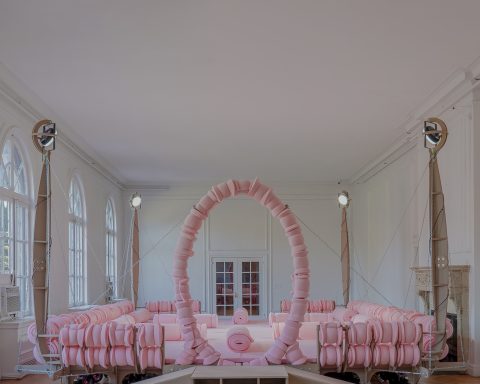
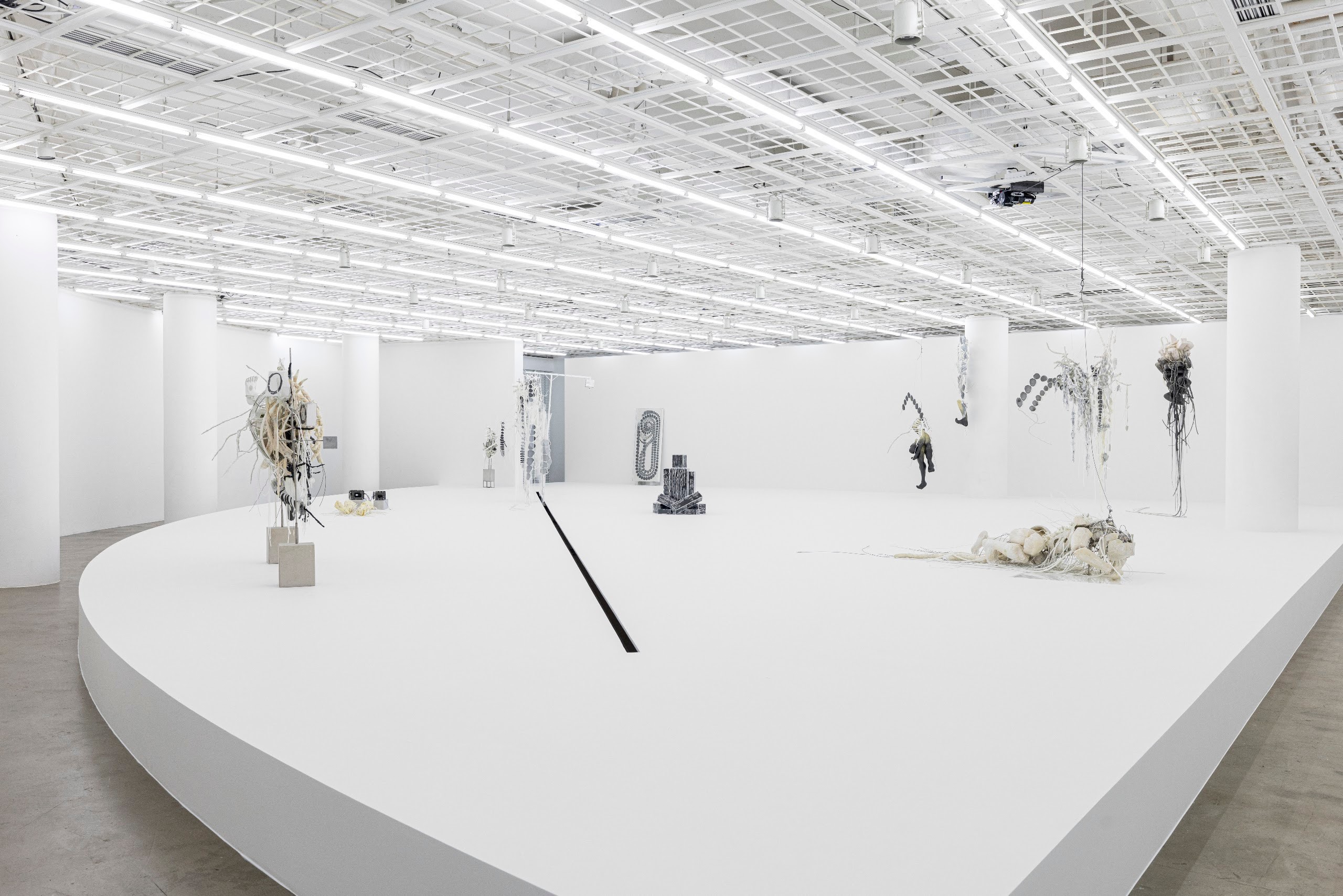
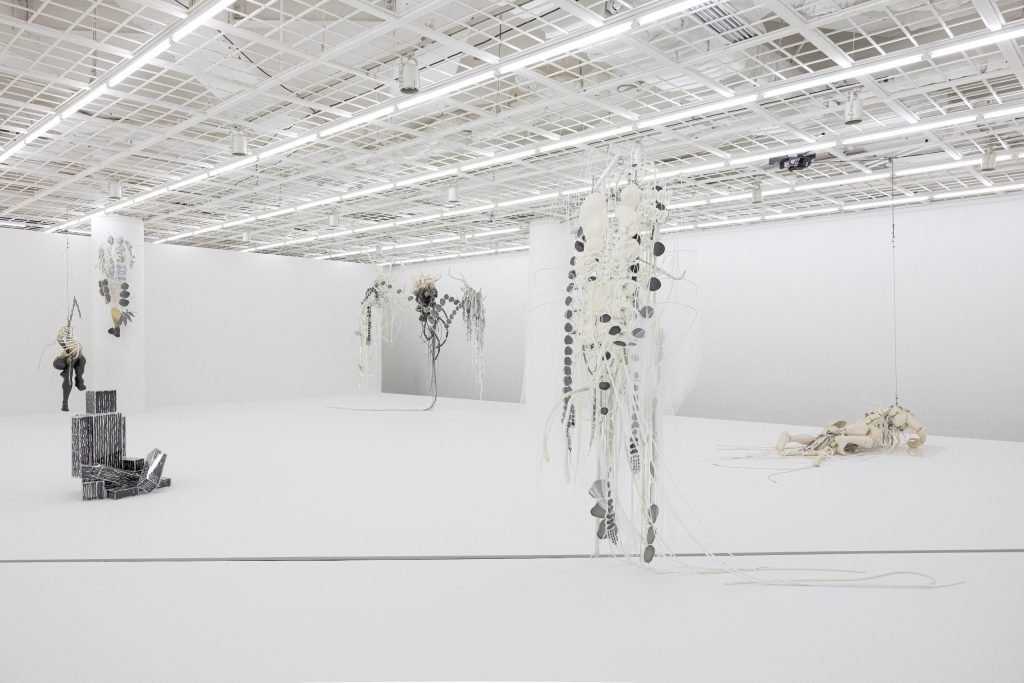
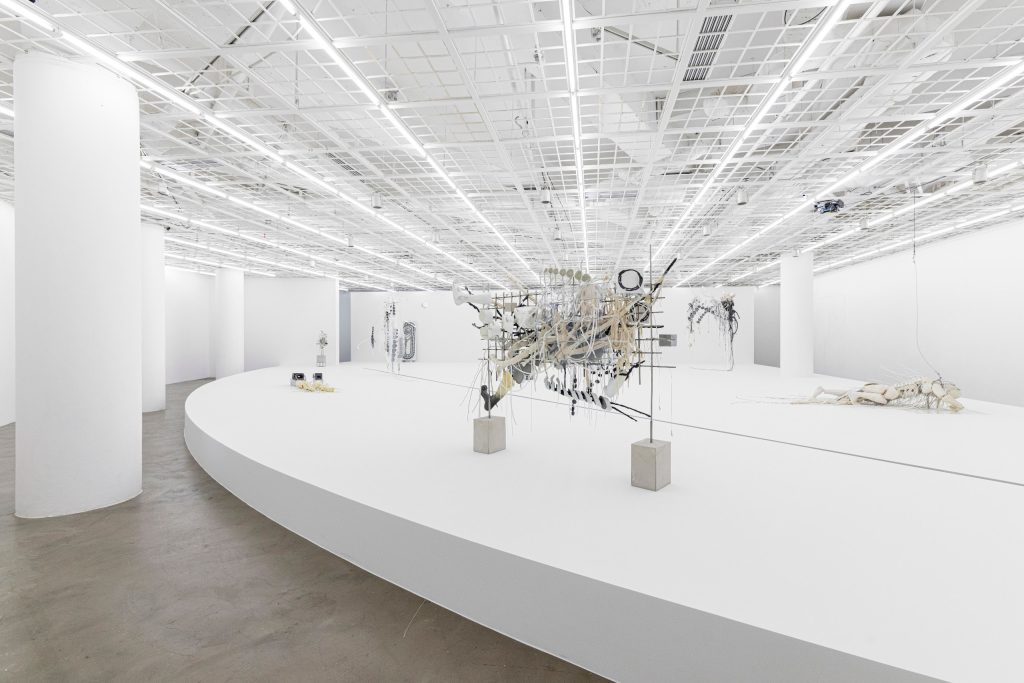
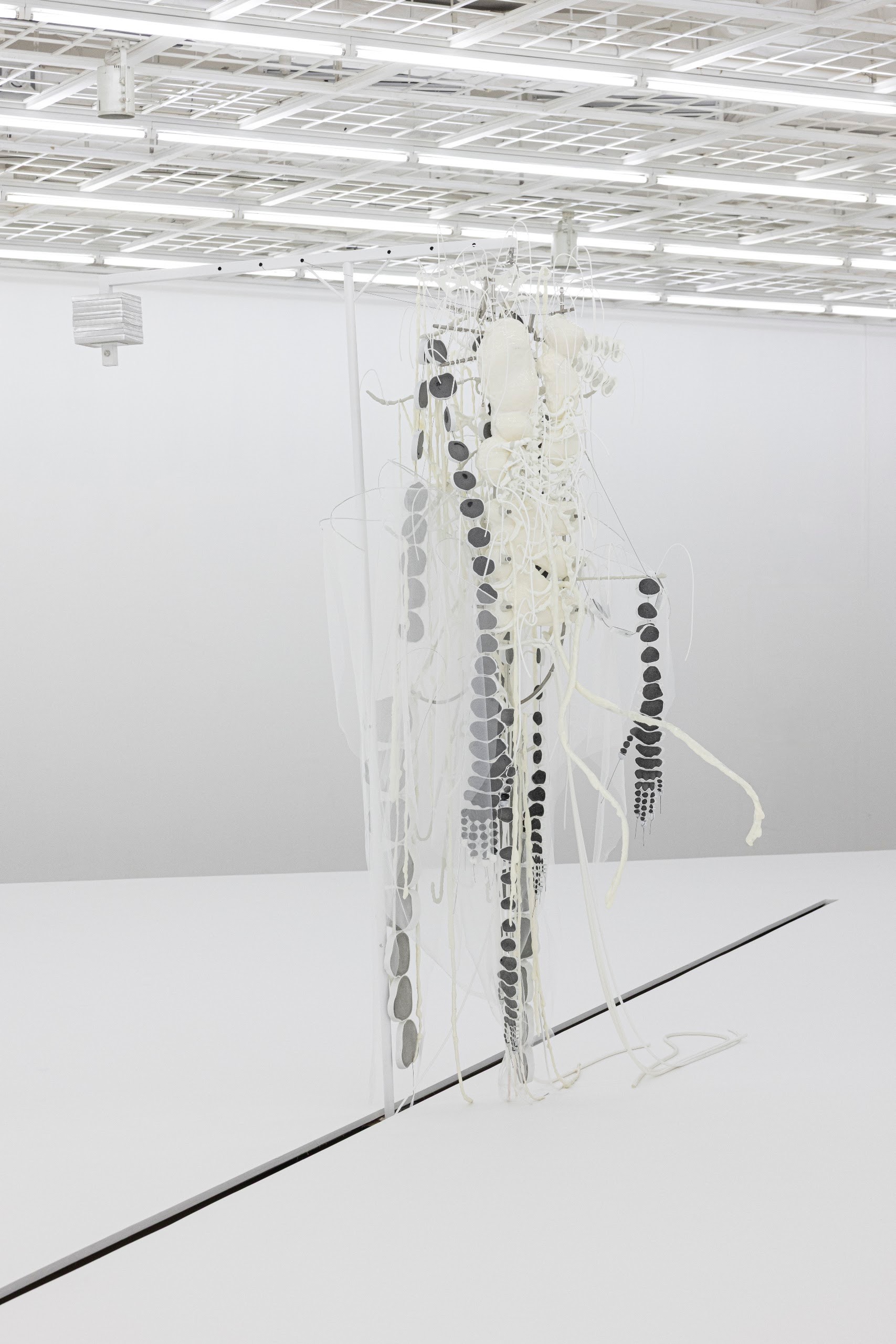
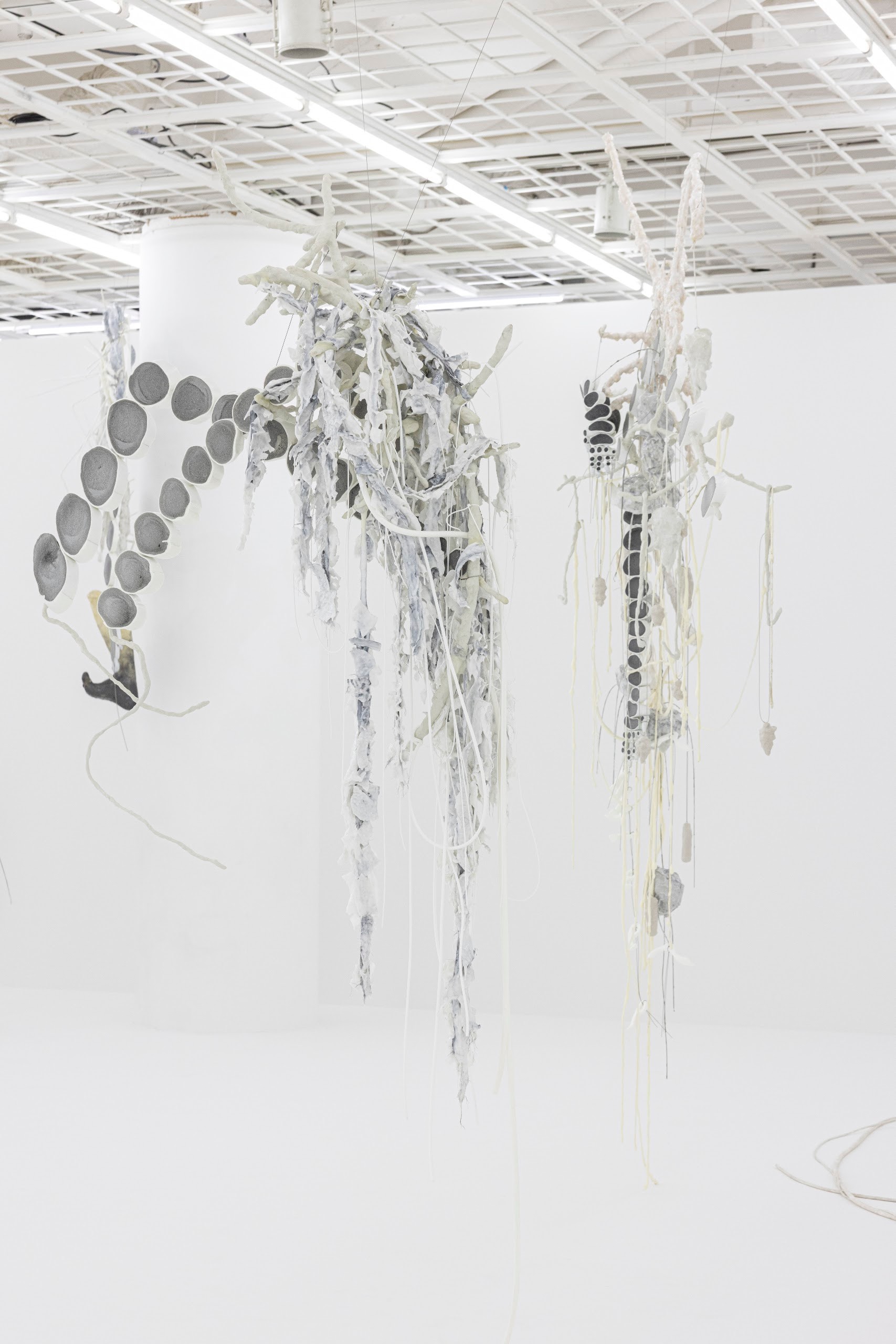
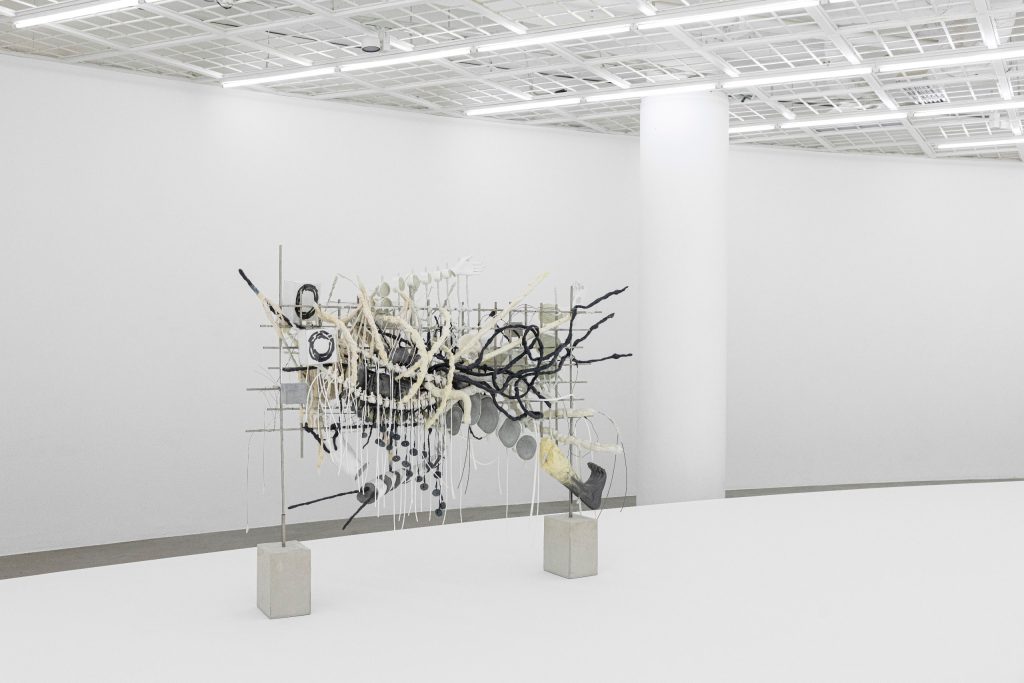
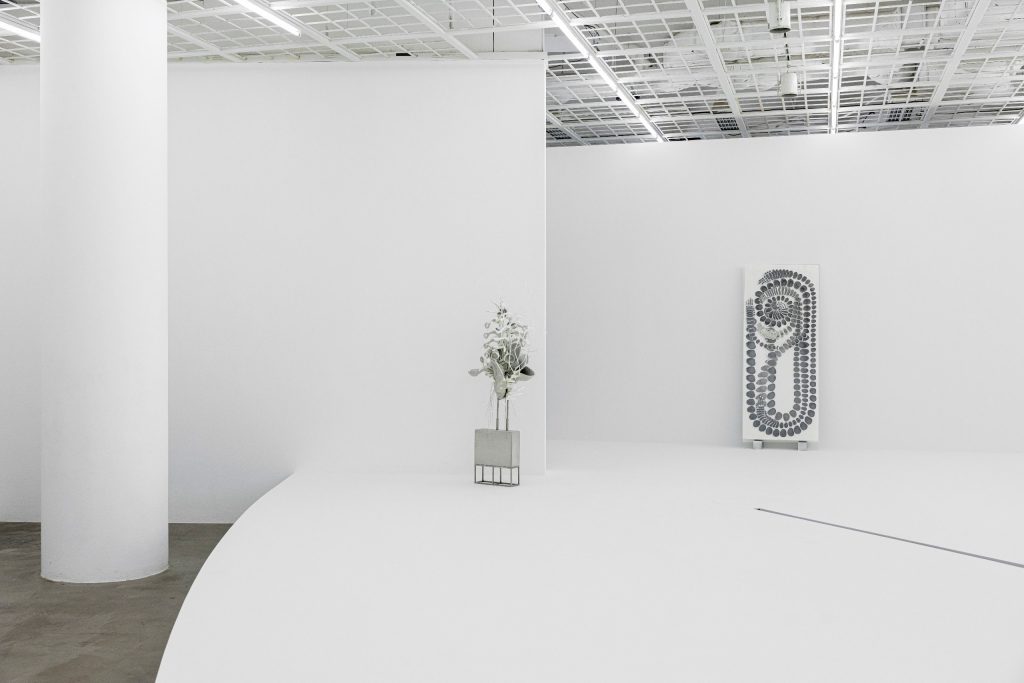
A large platform fans out at the end of a long corridor. In this way, it sets a distance between the artwork and its viewer. As visitors walk in a wide circle around it, the sculptures appear to approach and recede, overlap and scatter.
Meanwhile, the bright white space leaves viewers’ bodies fully exposed among the works. As a result, “bodies that see” turn into “bodies that are seen.” Irregular mechanical noises and the sounds of the sculptures colliding also echo through the quiet room.
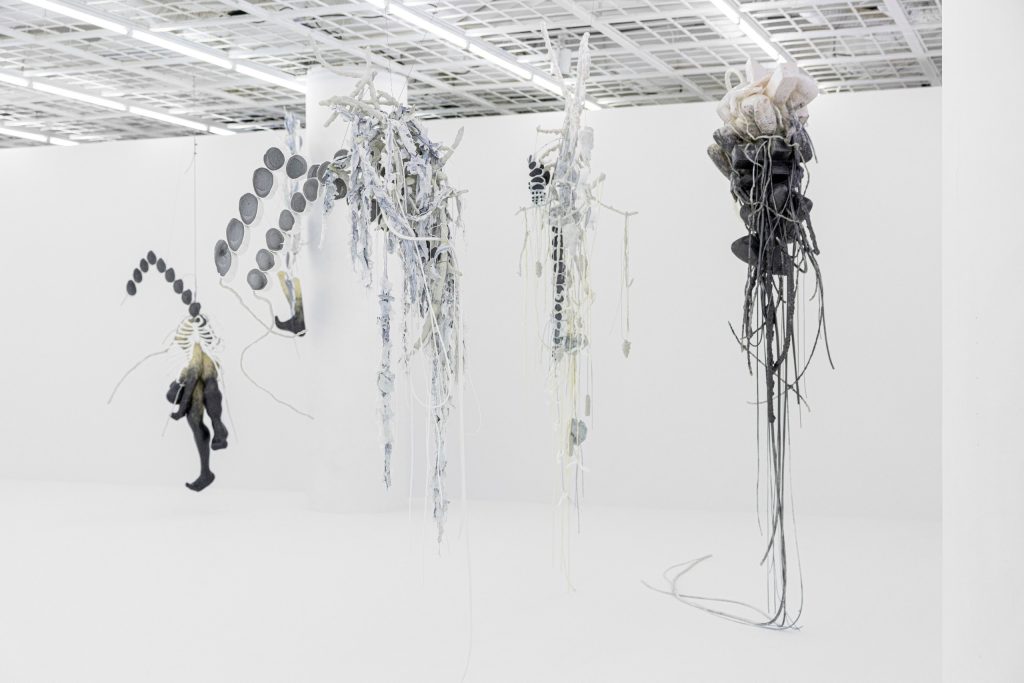
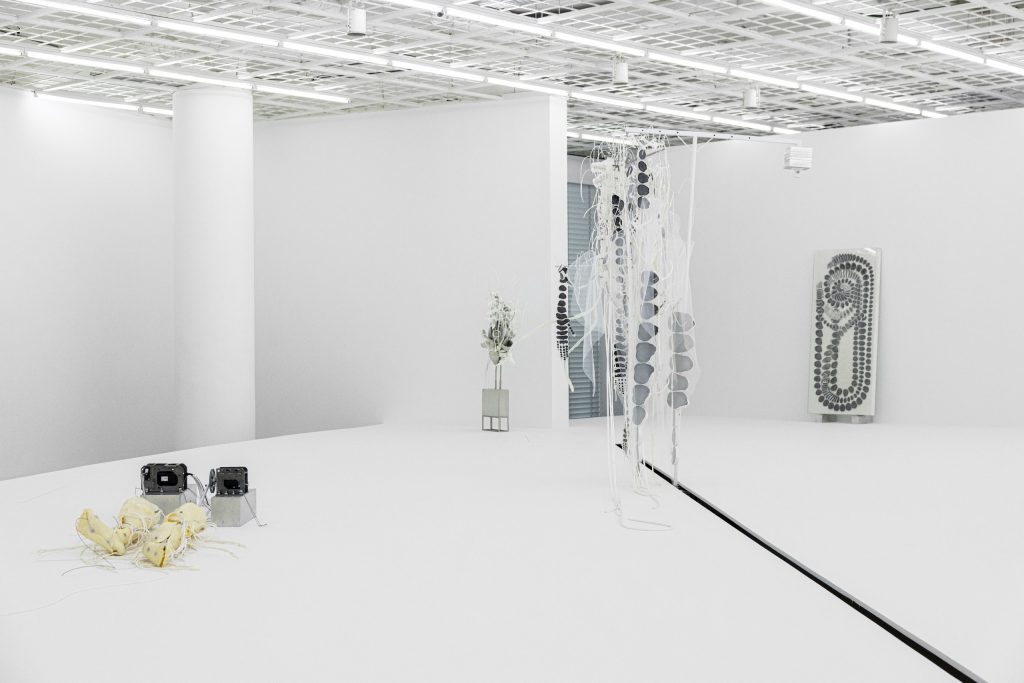
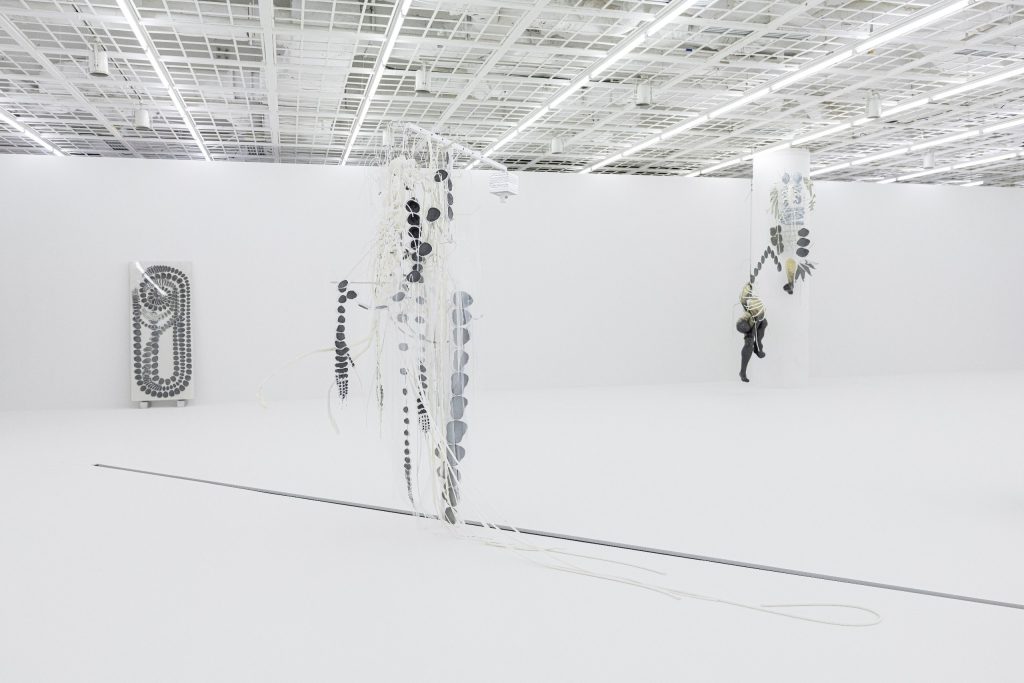
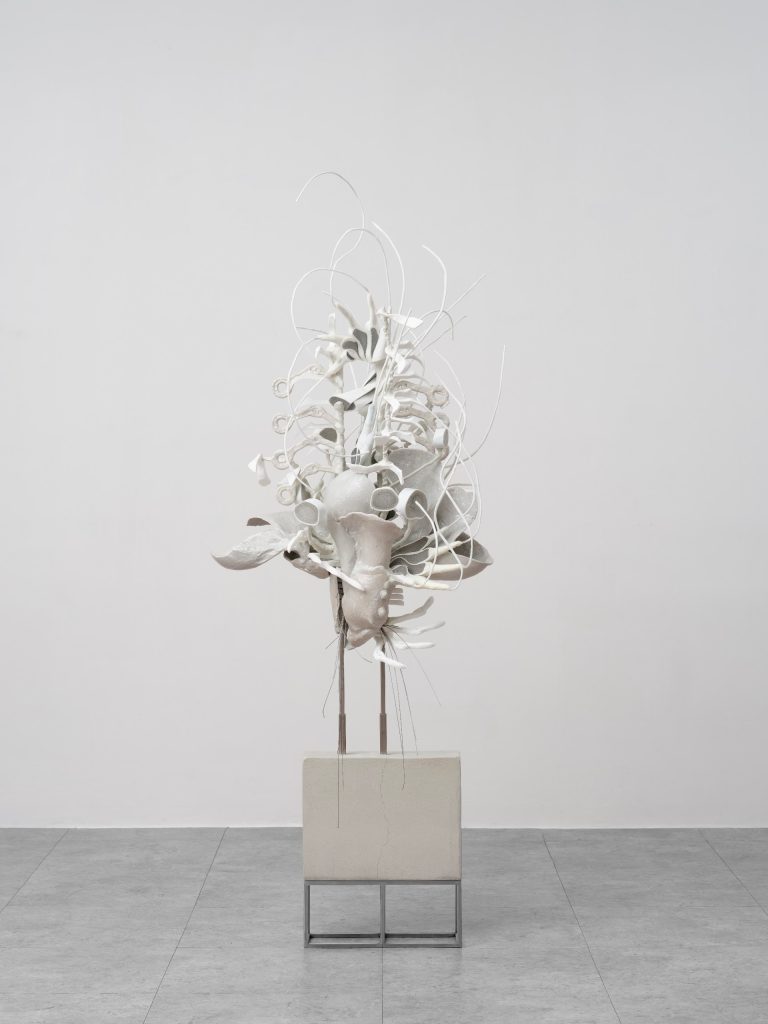
Overall, the works come from four series: In the Act of Dying (2024–2026), In a Falling Dream (2025–2026), Abuse (2025–2026) and Keloid (2026). However, each takes a different approach to falling, relaxation, the dissection of the body and regeneration after injury.
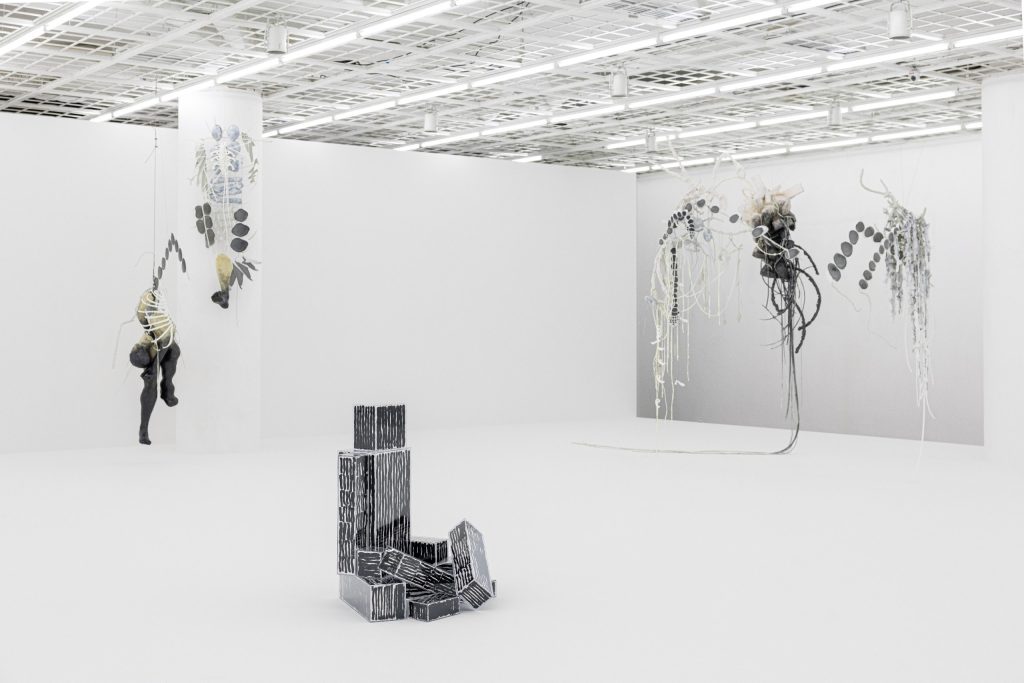
In the Act of Dying
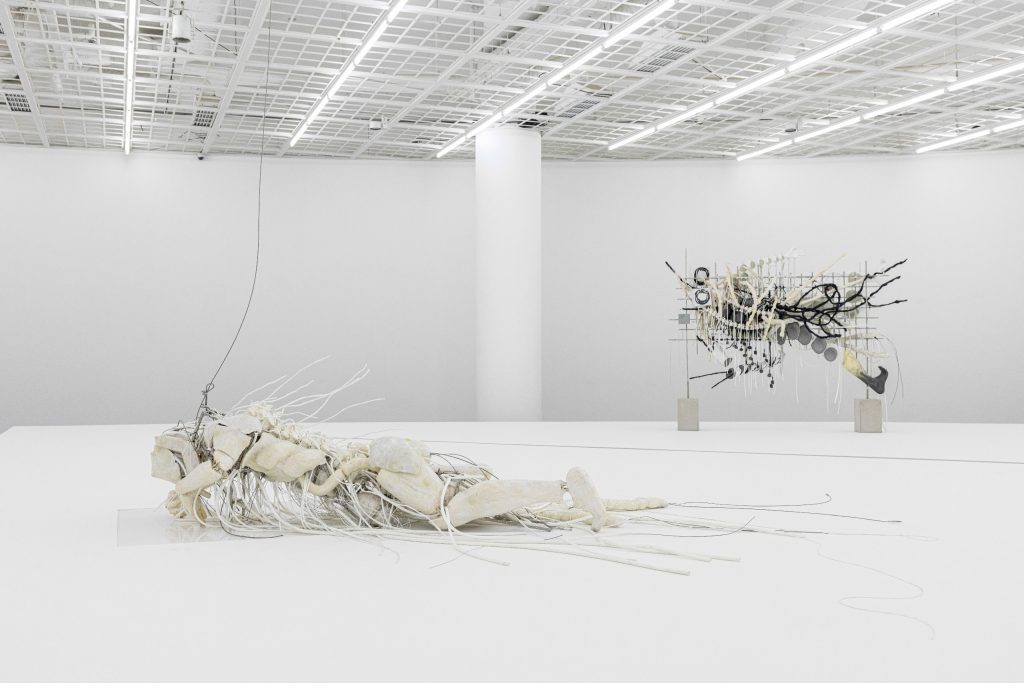
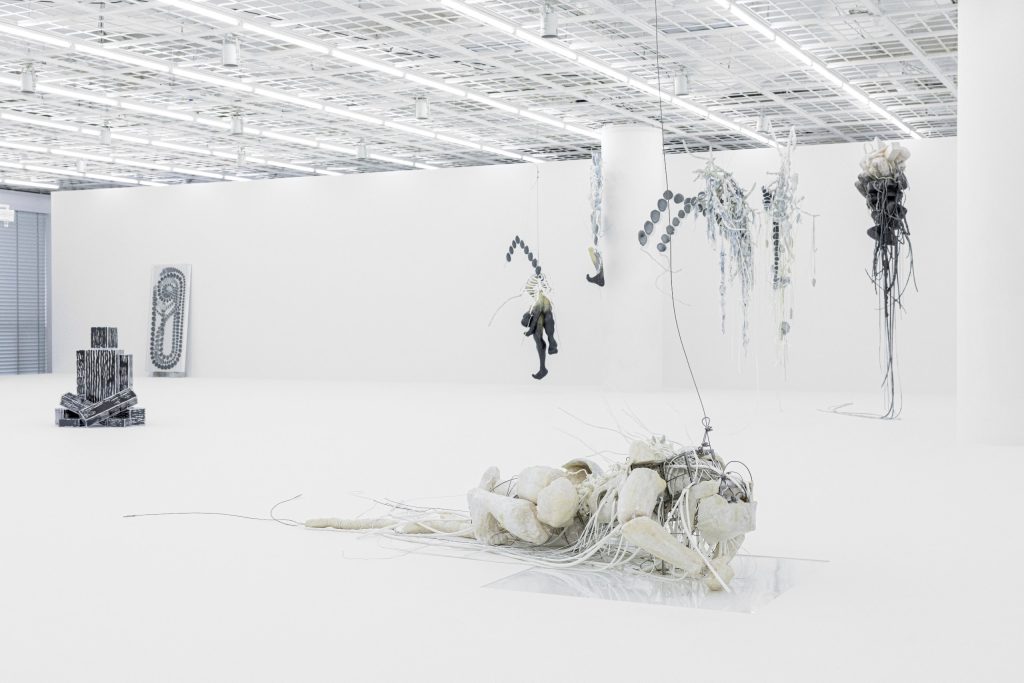
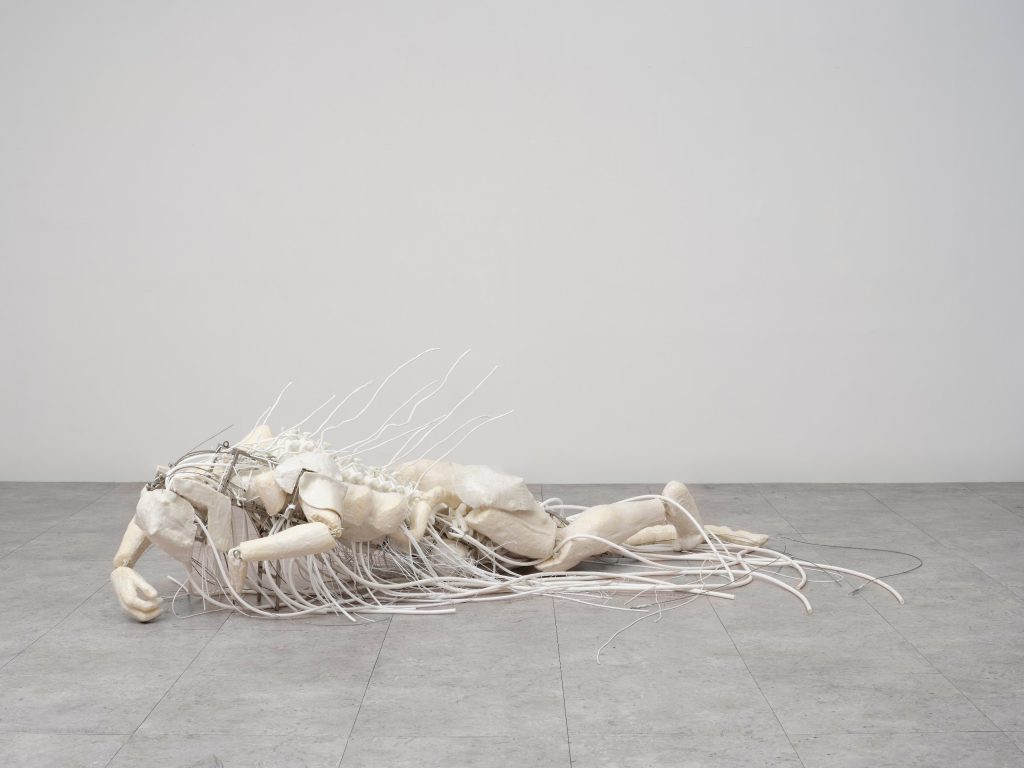
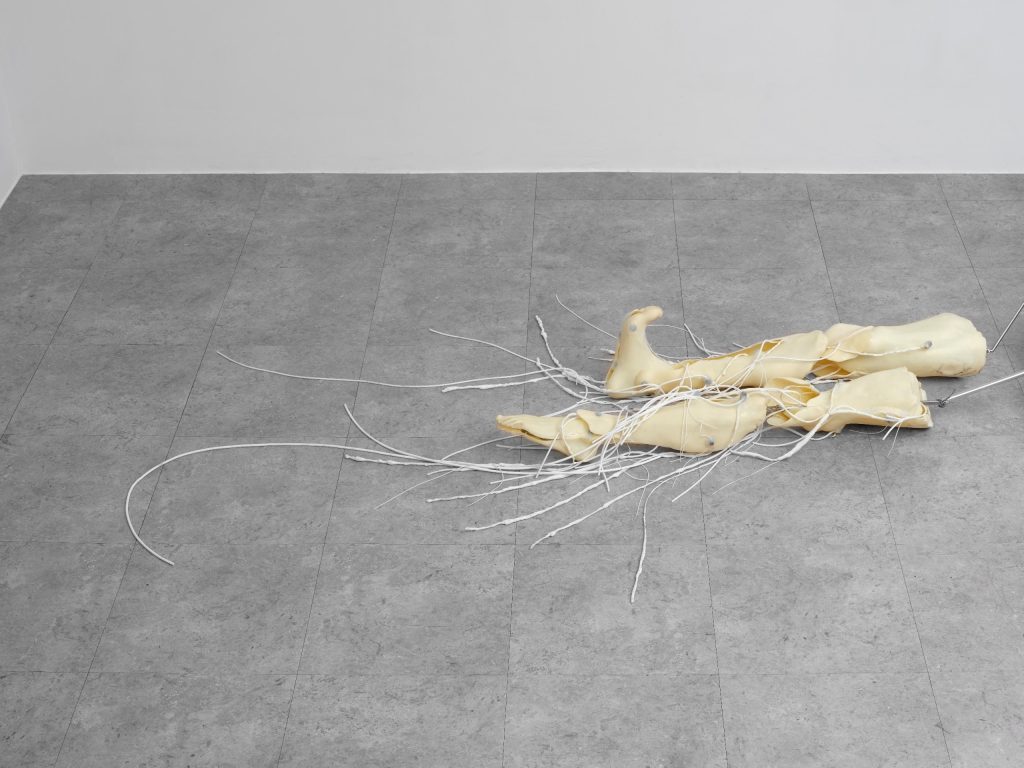
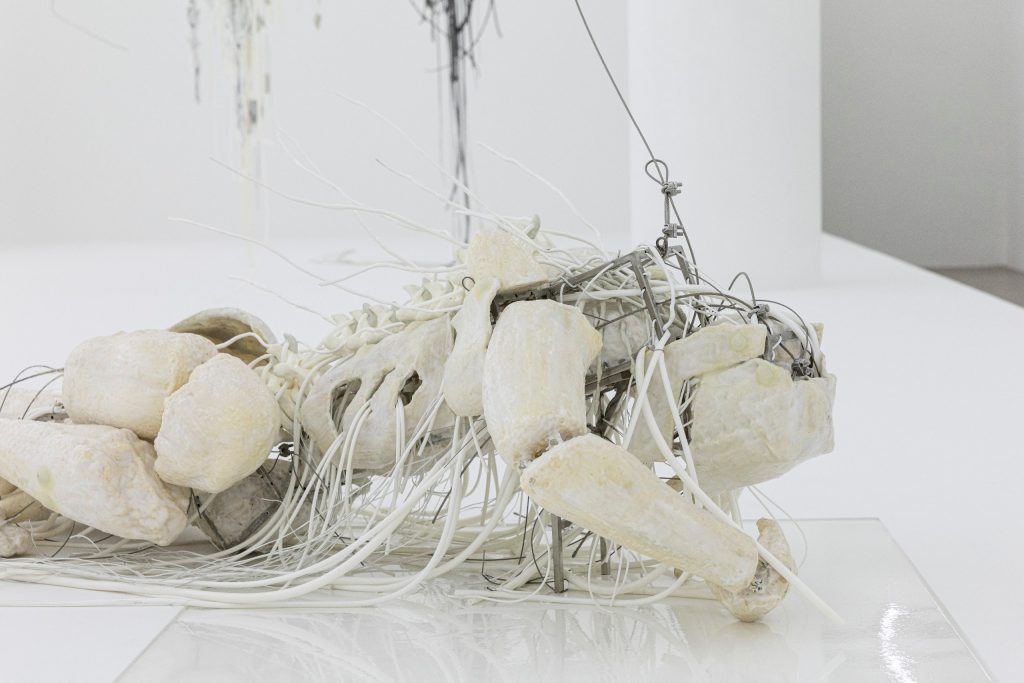
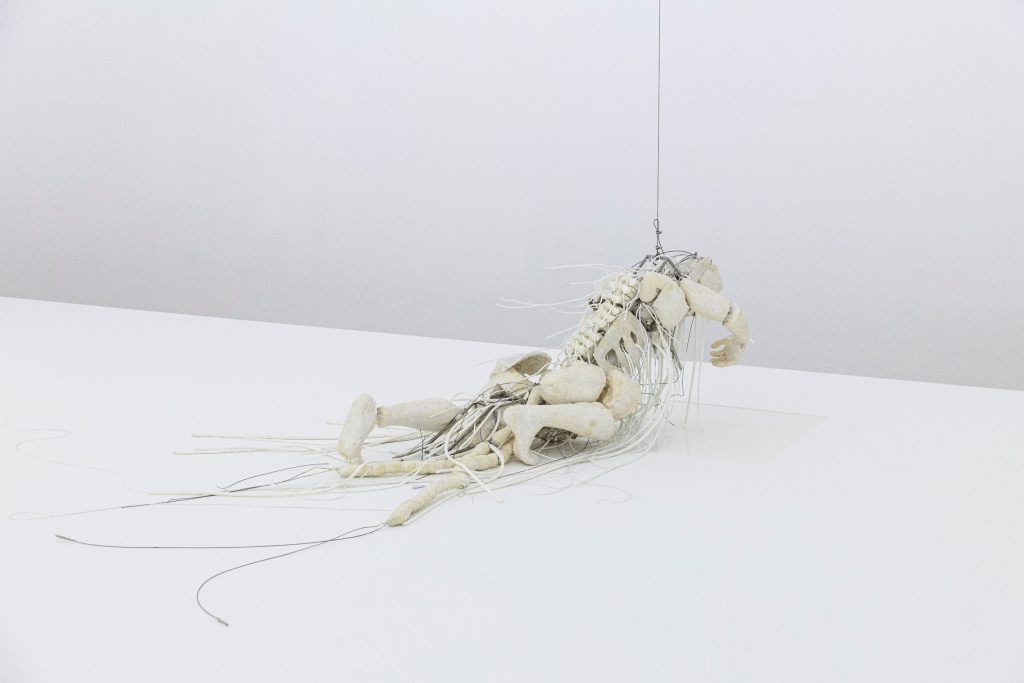
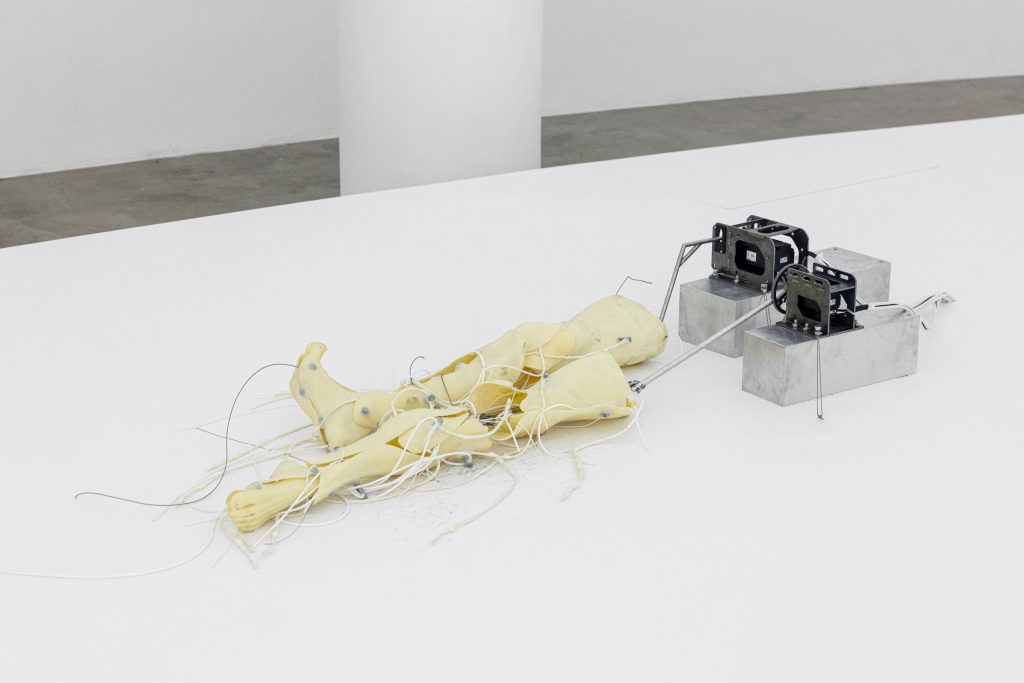
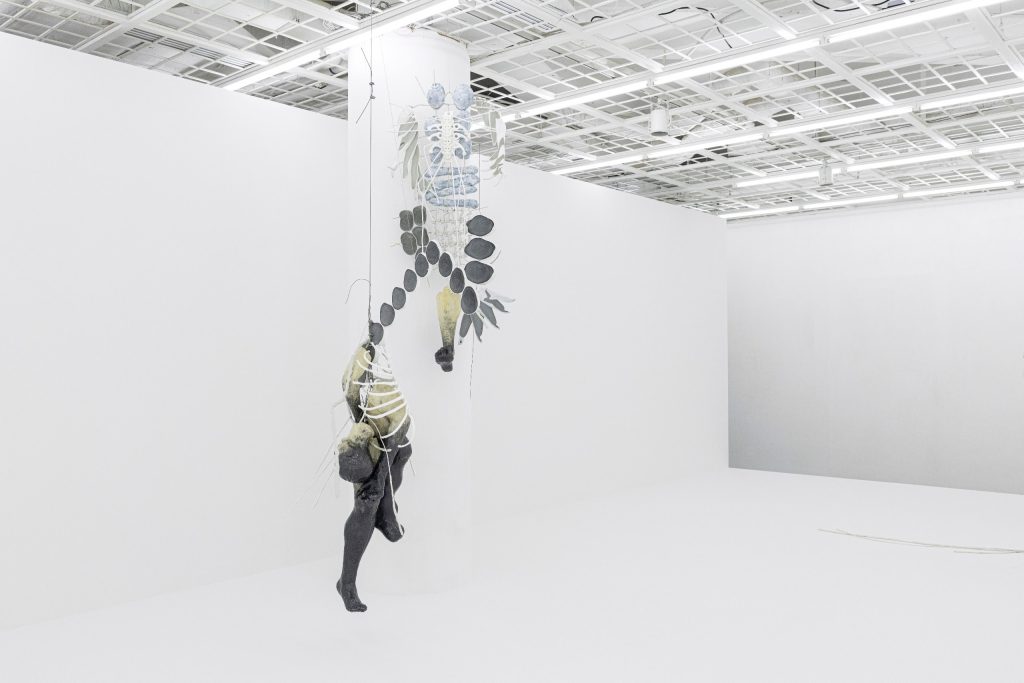
Choi’s In the Act of Dying series explores the moments when the body releases its tension. For instance, in images of a dead cat and a hanged human figure, he finds a paradoxical beauty in bodies that have completely relaxed. Here, death appears as a process in which the body gradually lets go of the forces that sustain it.
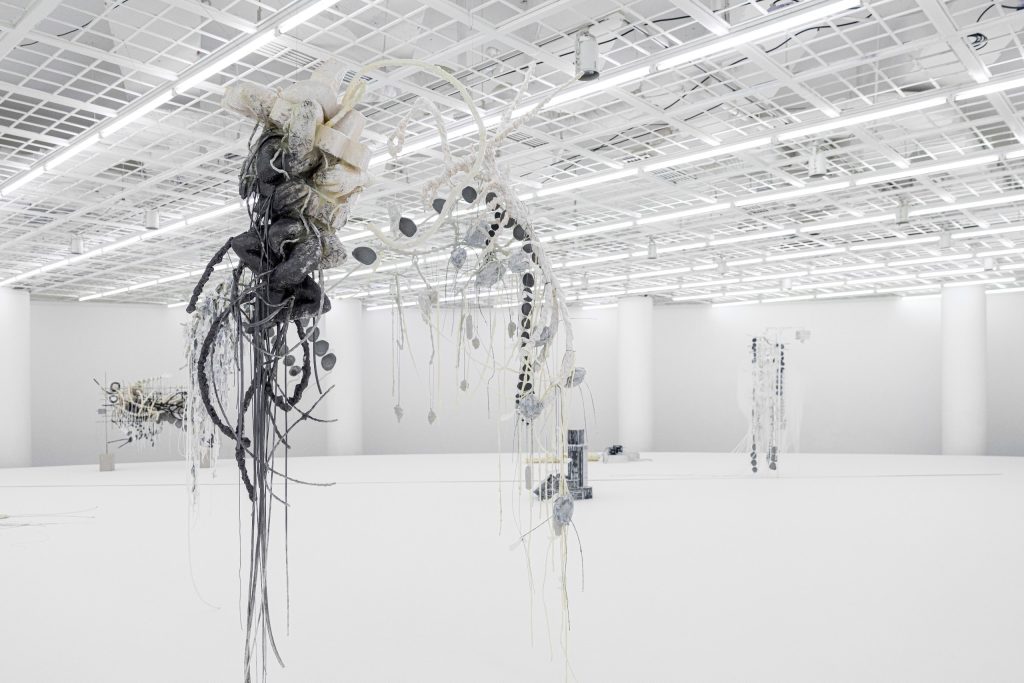
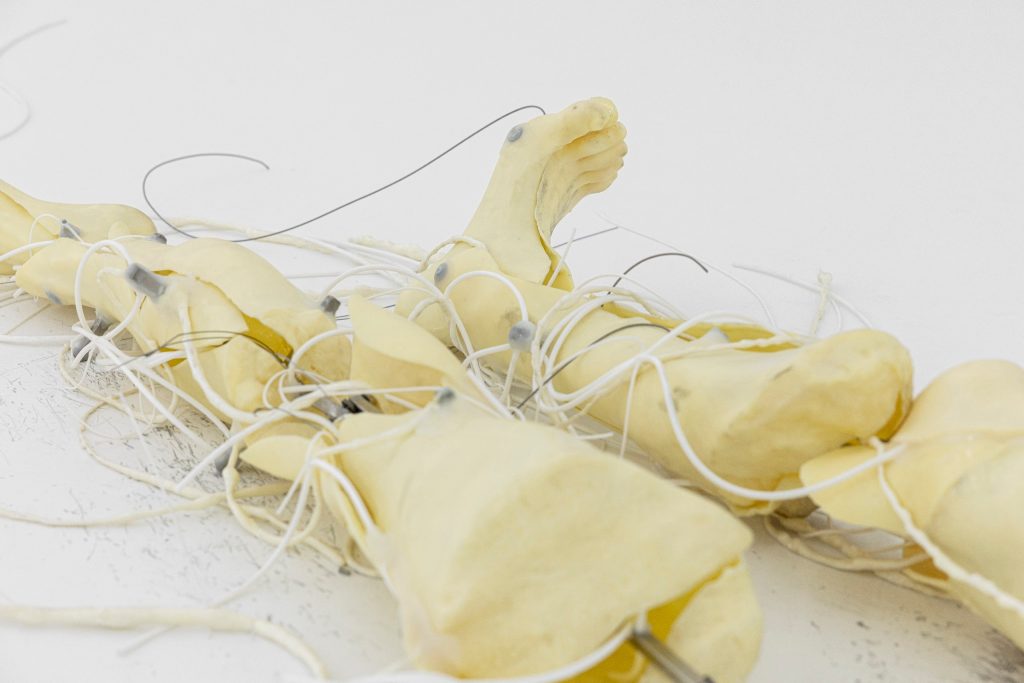
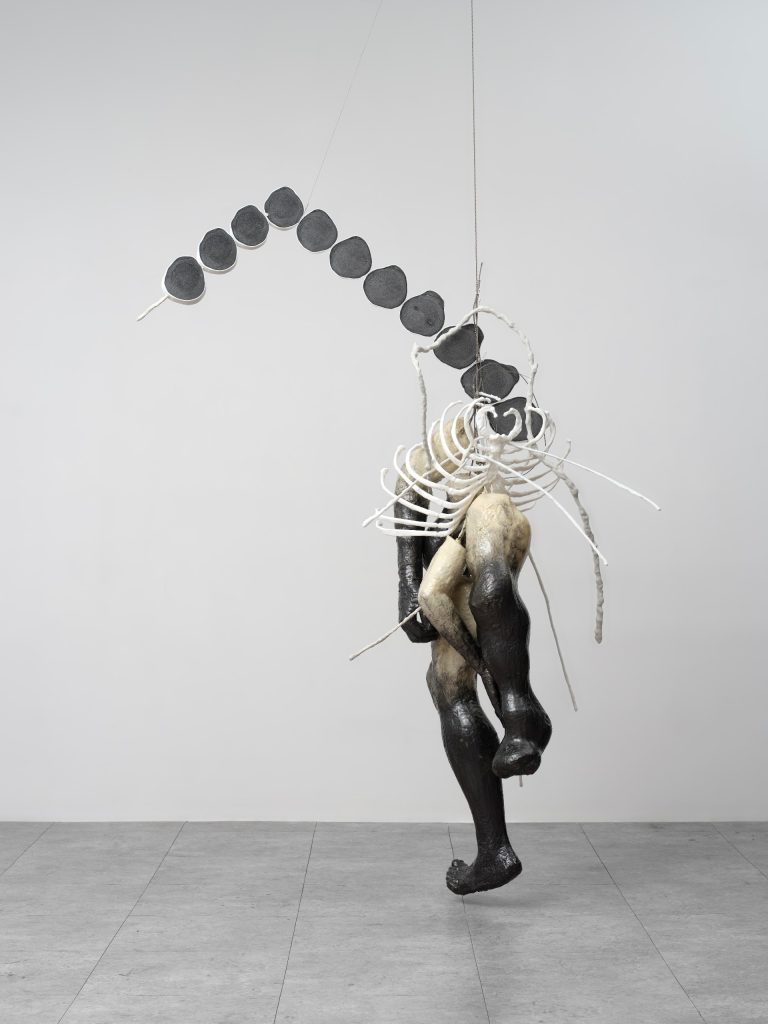
Alongside the ceiling-suspended In the Act of Dying (2024, revised in 2025), Choi shows three kinetic versions. Their movements represent a misalignment between consciousness and the body.
In a Falling Dream
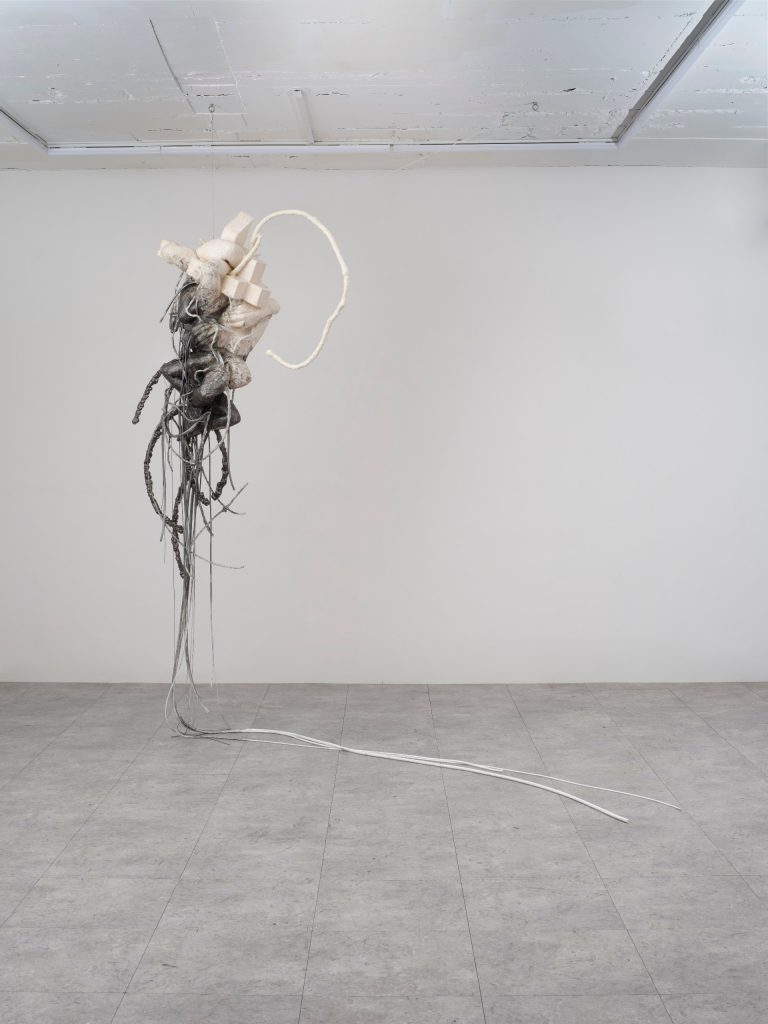
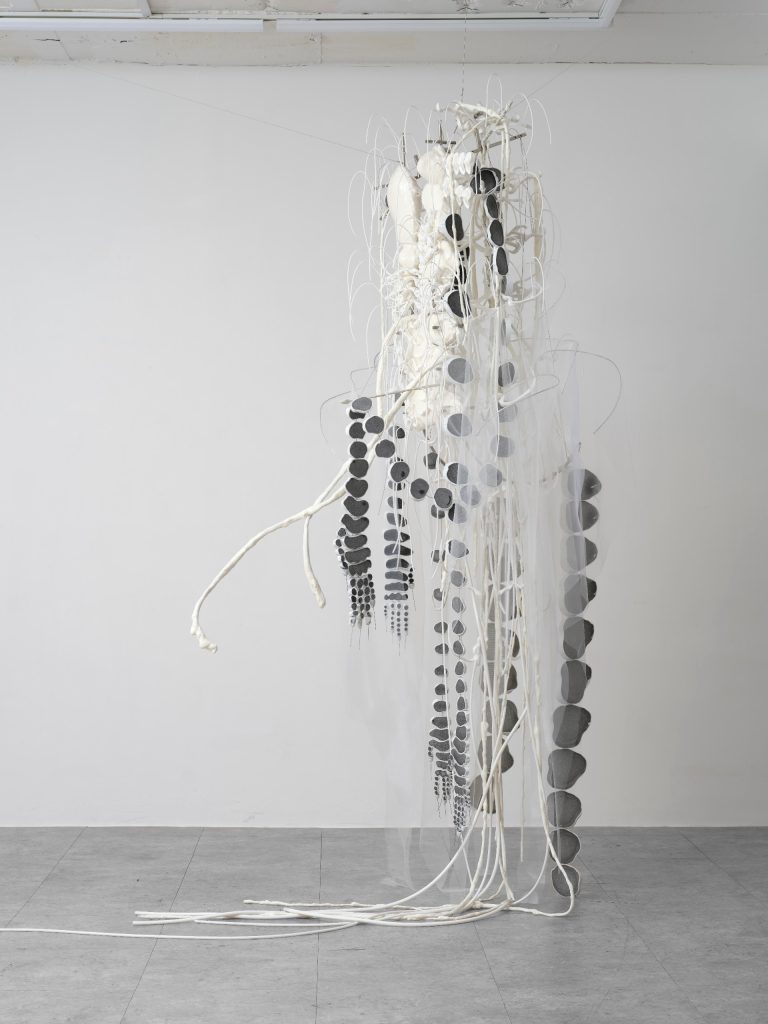
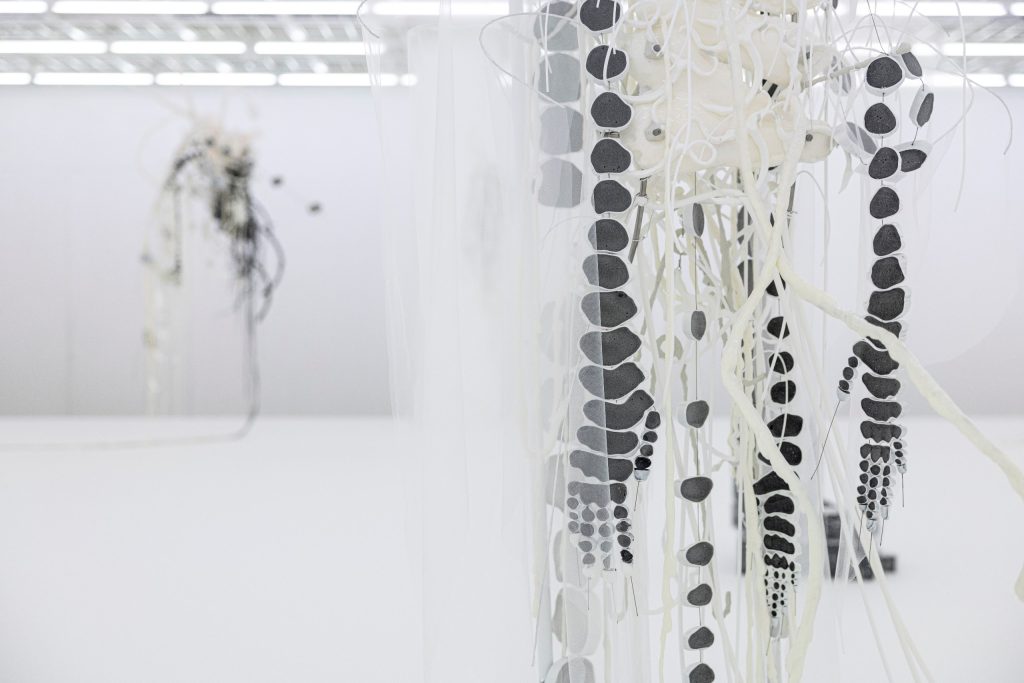
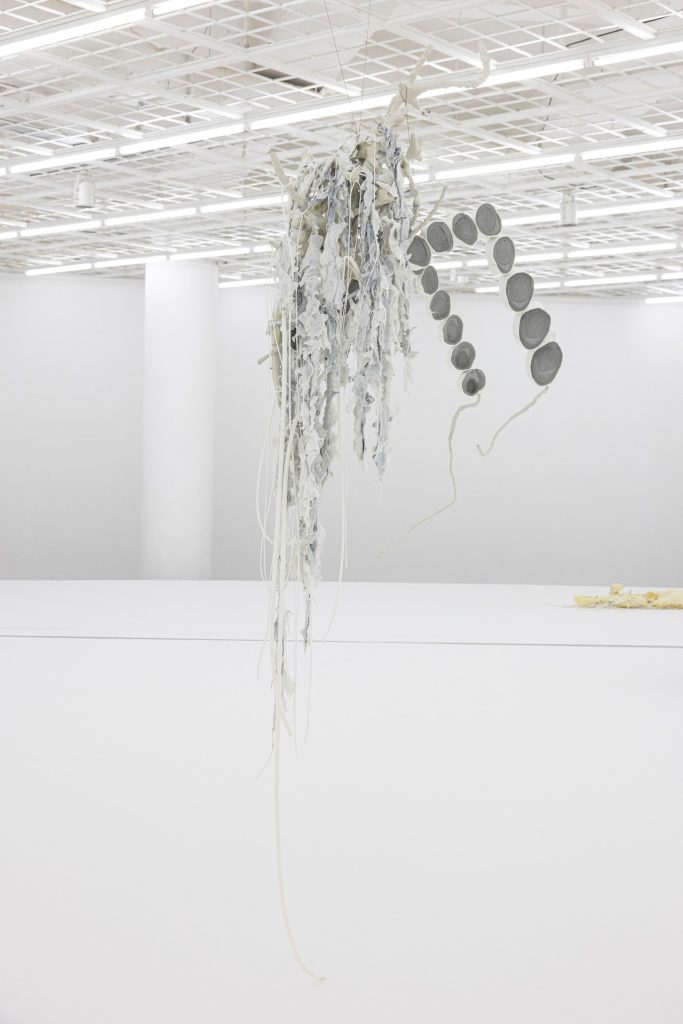
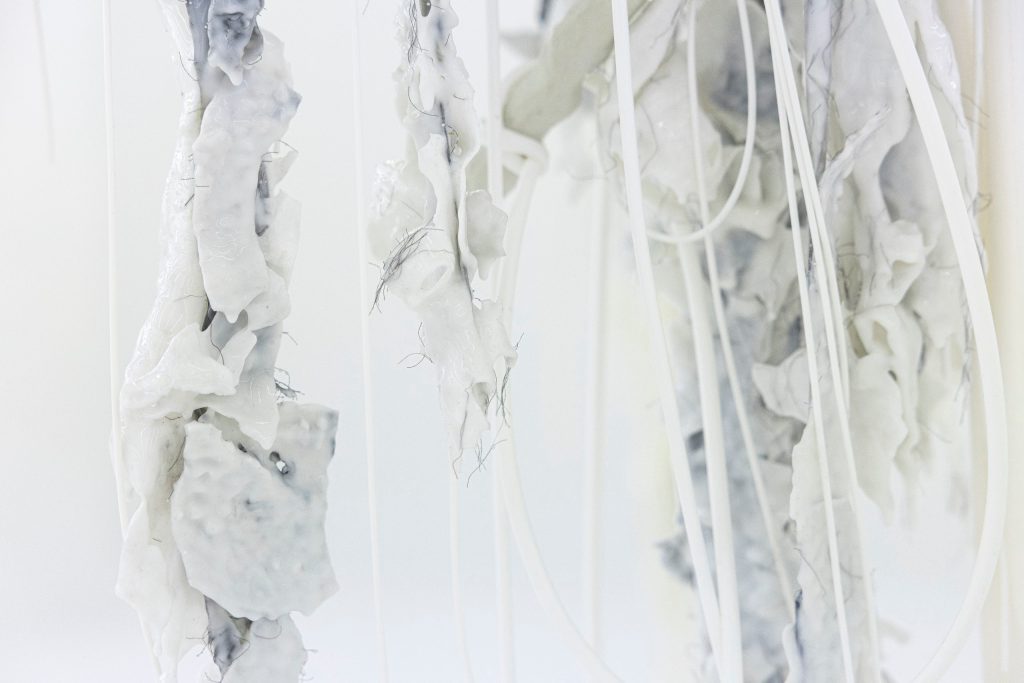
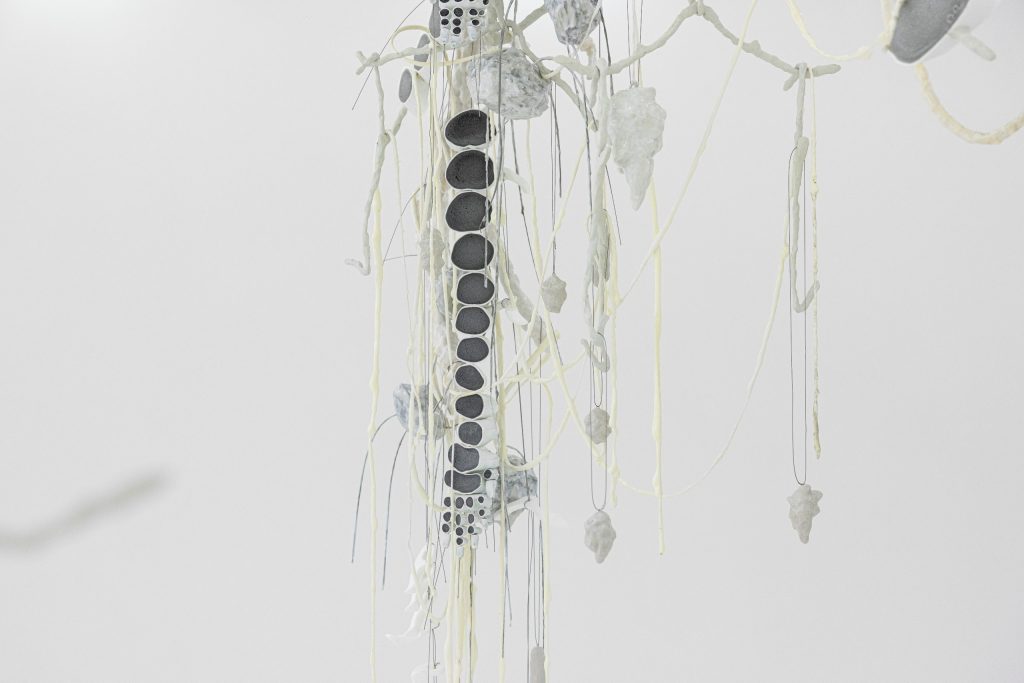
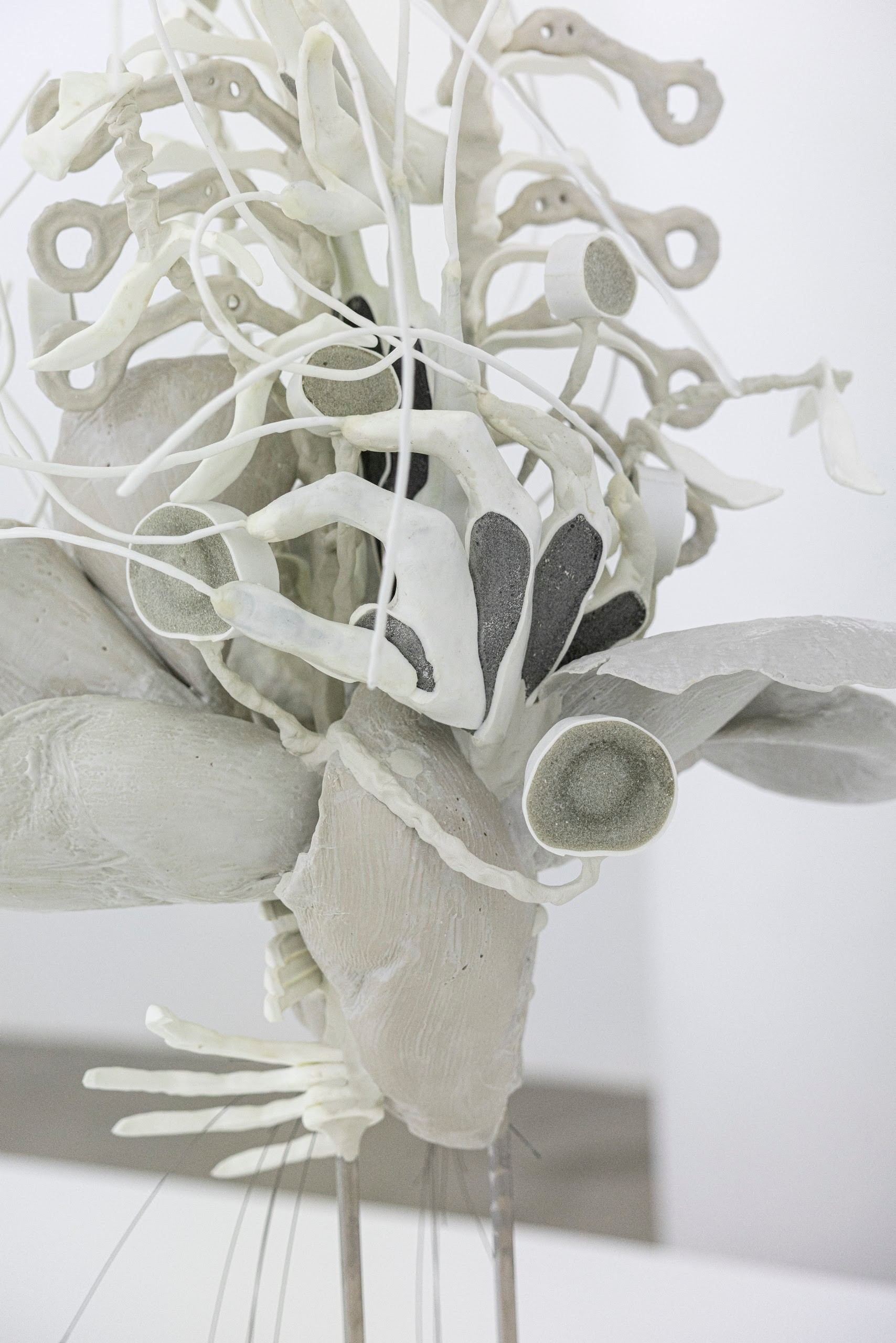
Suspended in midair, the works in In a Falling Dream evoke the relaxation of the sleeping body. In addition, black circles reminiscent of anatomical sections split the instant of falling into continuous images. Meanwhile, the sculptures hover between falling and floating, neither scattering completely nor combining anew.
Abuse
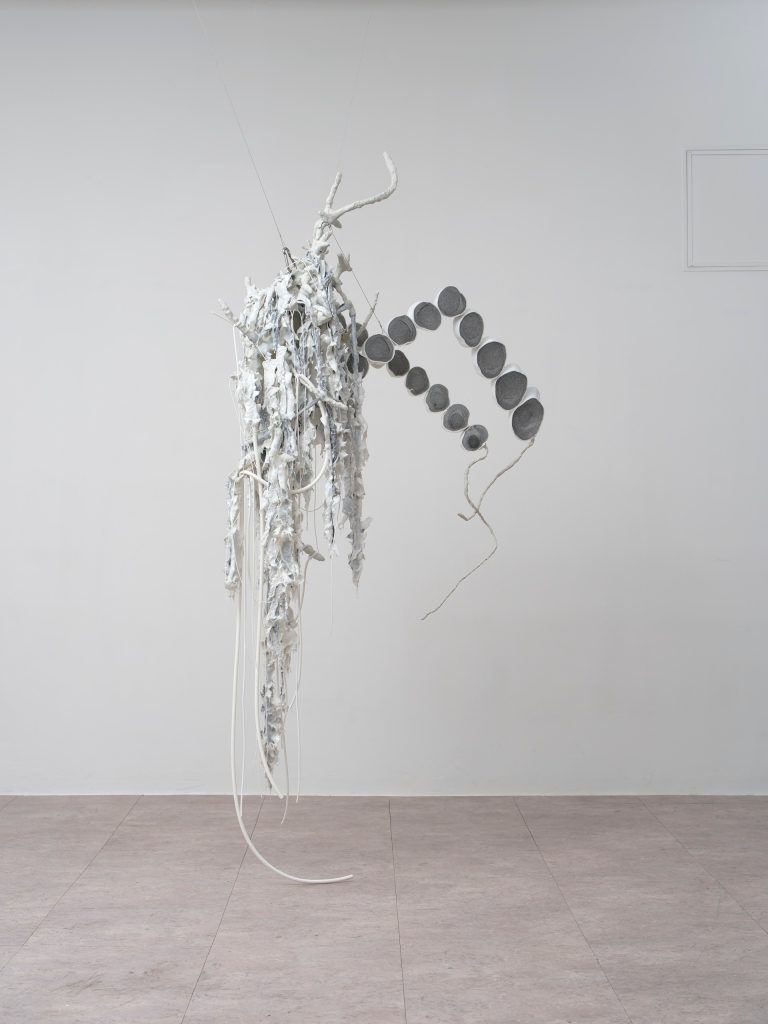
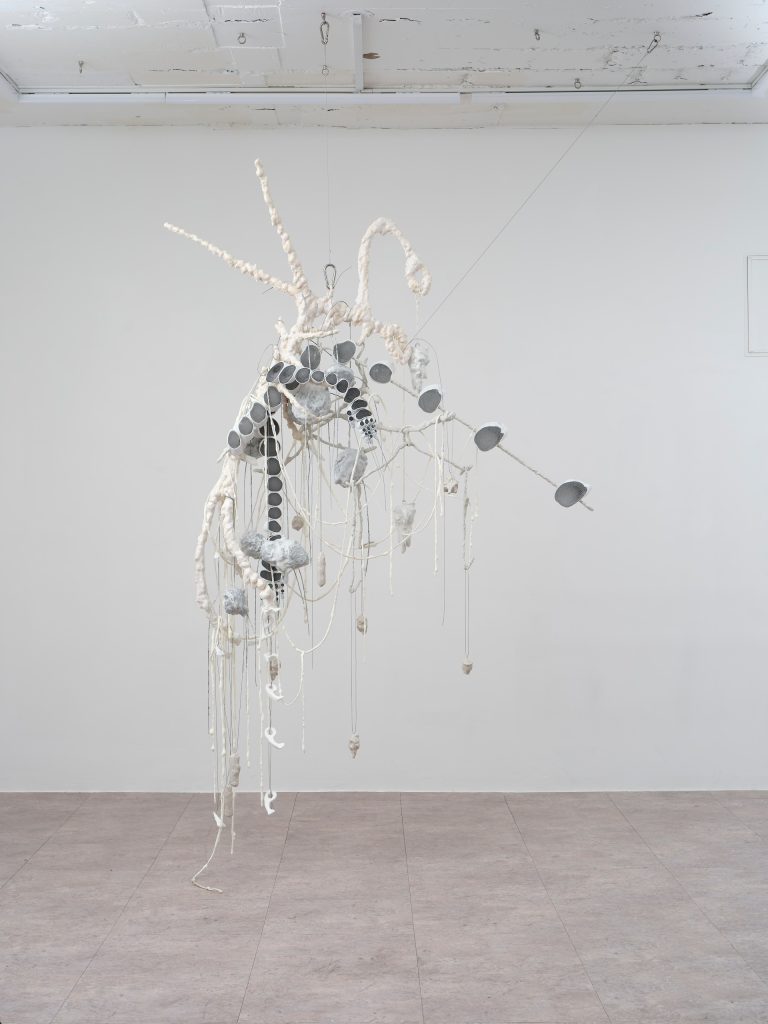
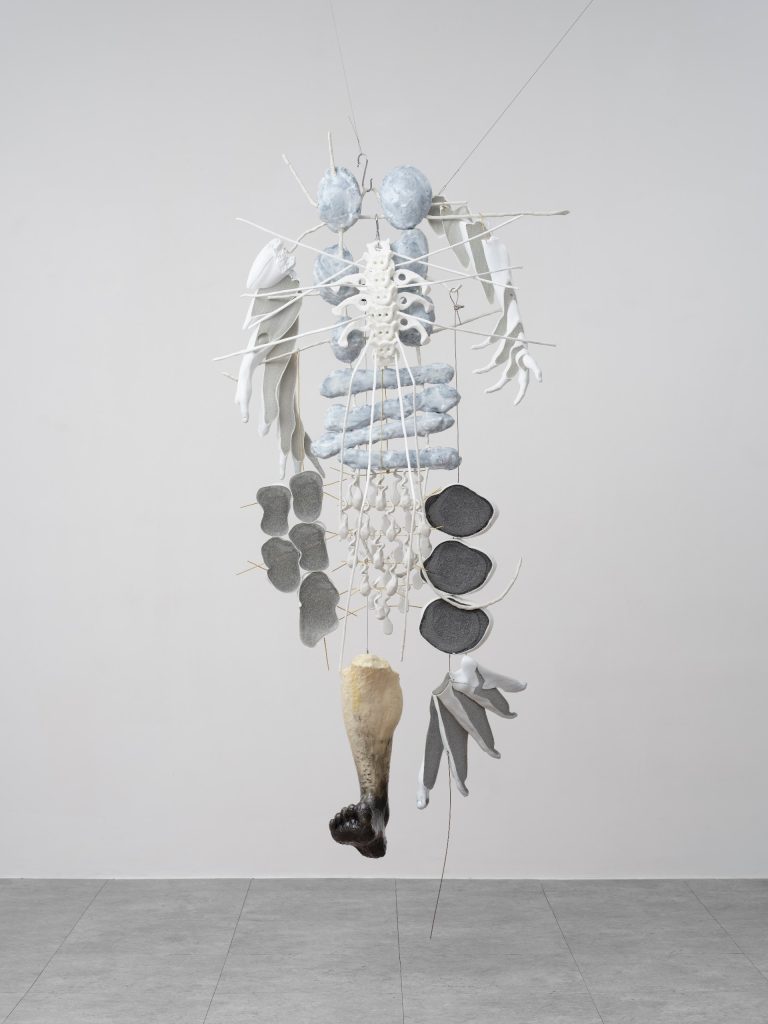
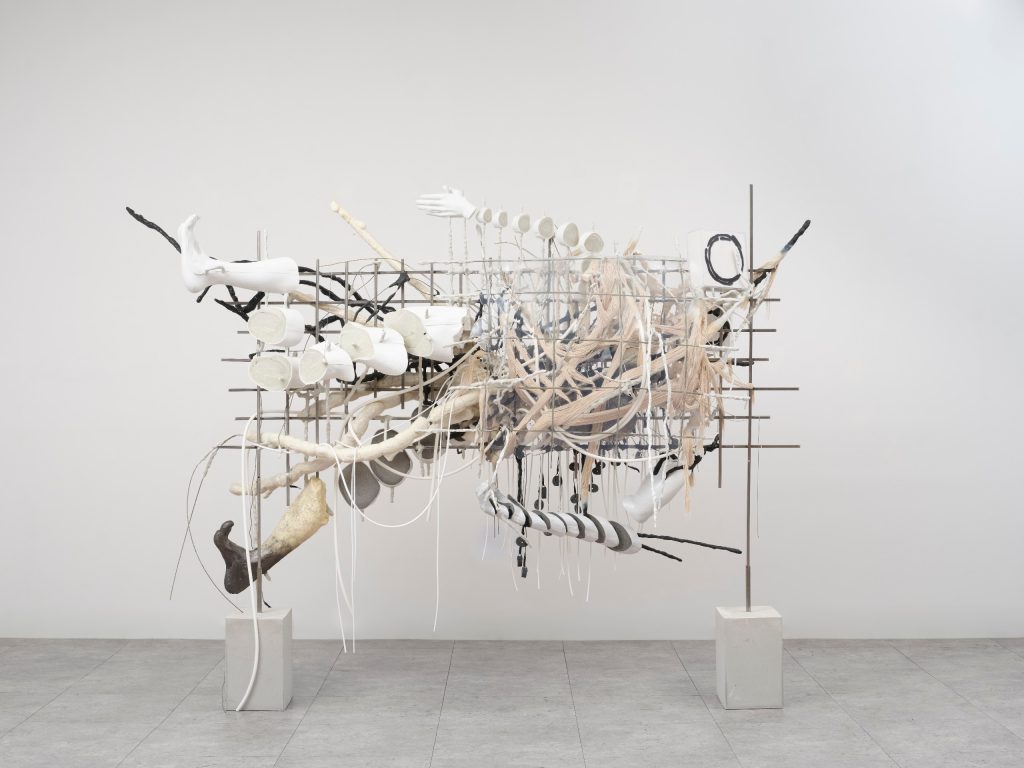
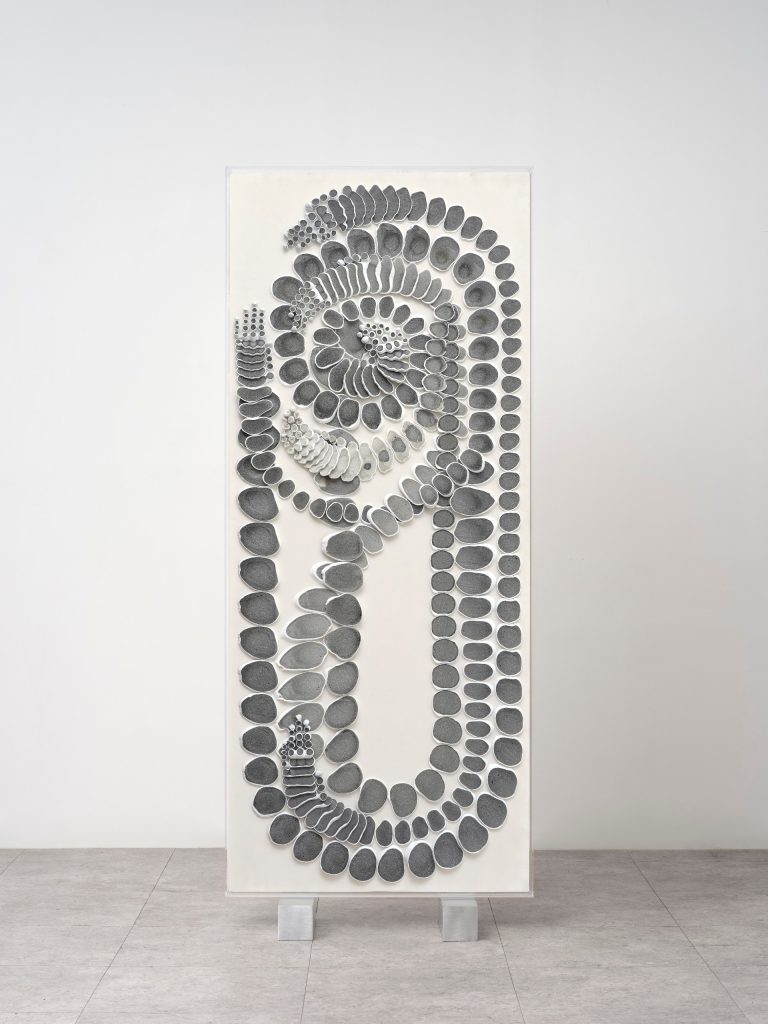
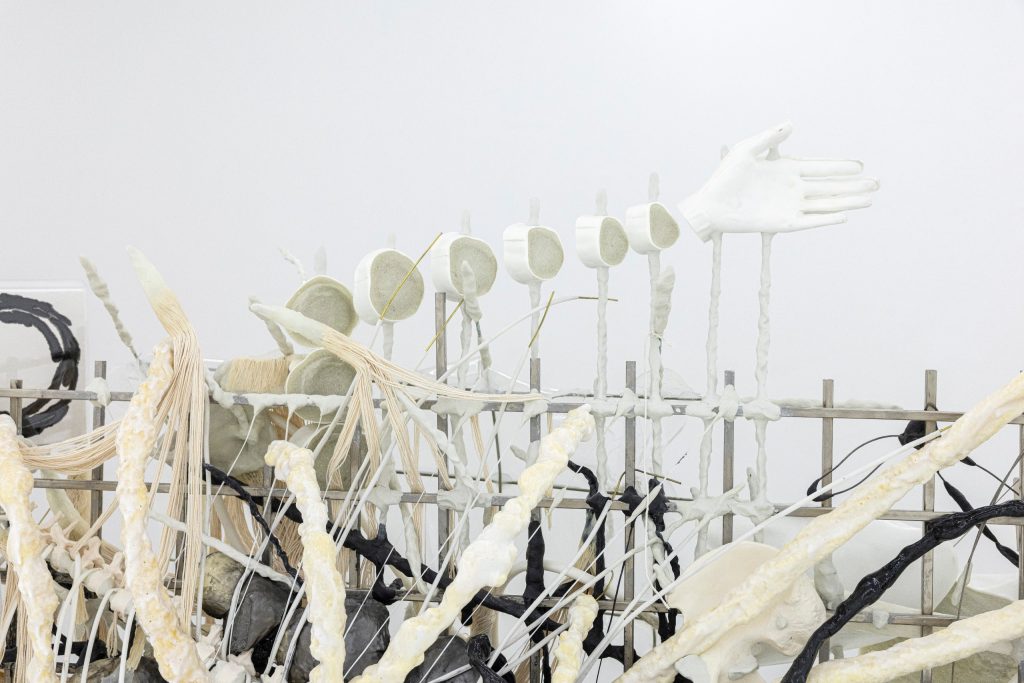
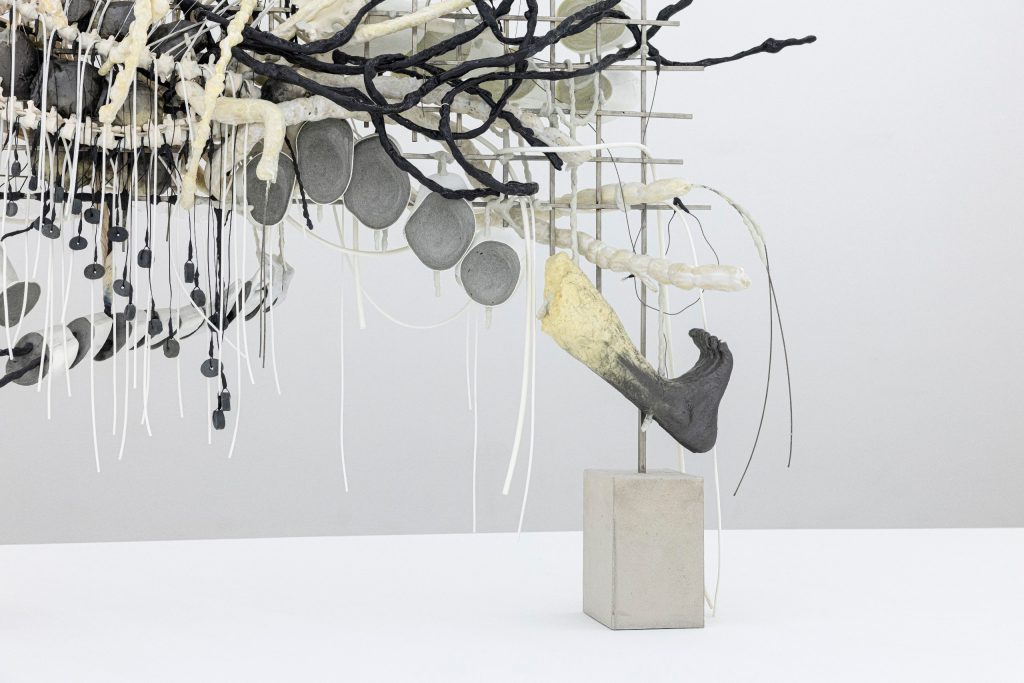
In the Abuse series, Choi imagines the interior hidden beneath the skin. Landscape of Abuse (2025) splays out the body’s organs in a horizontal arrangement reminiscent of a traditional Korean folding screen. Moreover, its fragments blend the forms of a mountain range, a waterway and a plant.
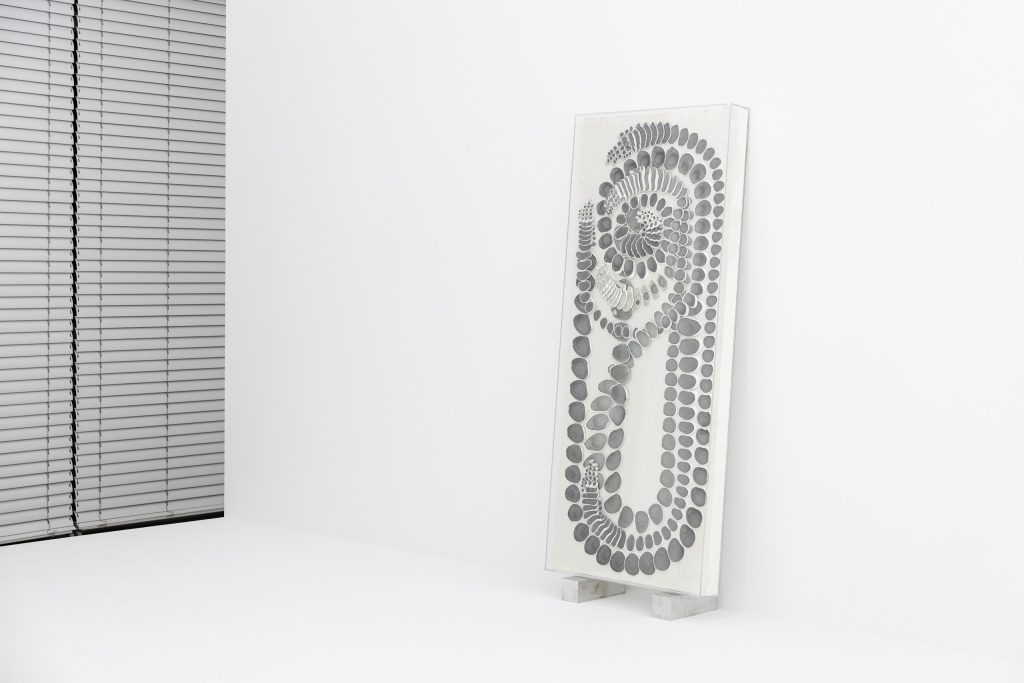
Furthermore, Rhythm of Abuse (2025) shows circular masses arranged on a transparent panel. Meanwhile, Landscape of Abuse: Penjing (2026) reassembles a dissected body into a single landscape of cement, metal and tangled lines.
Keloid
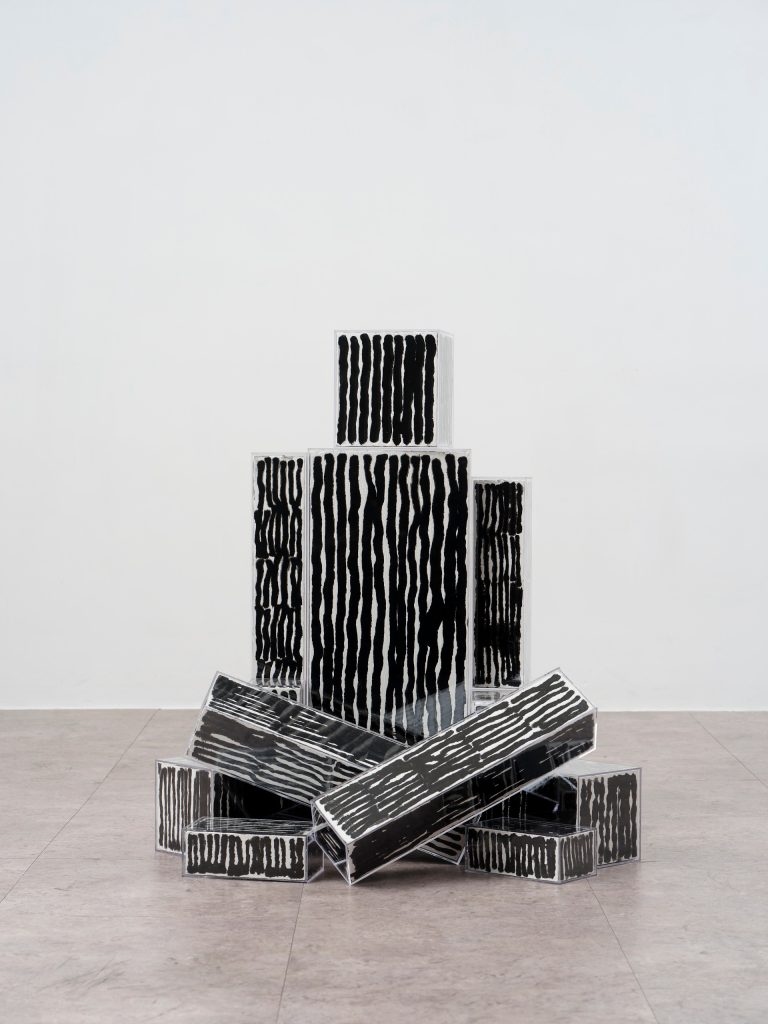
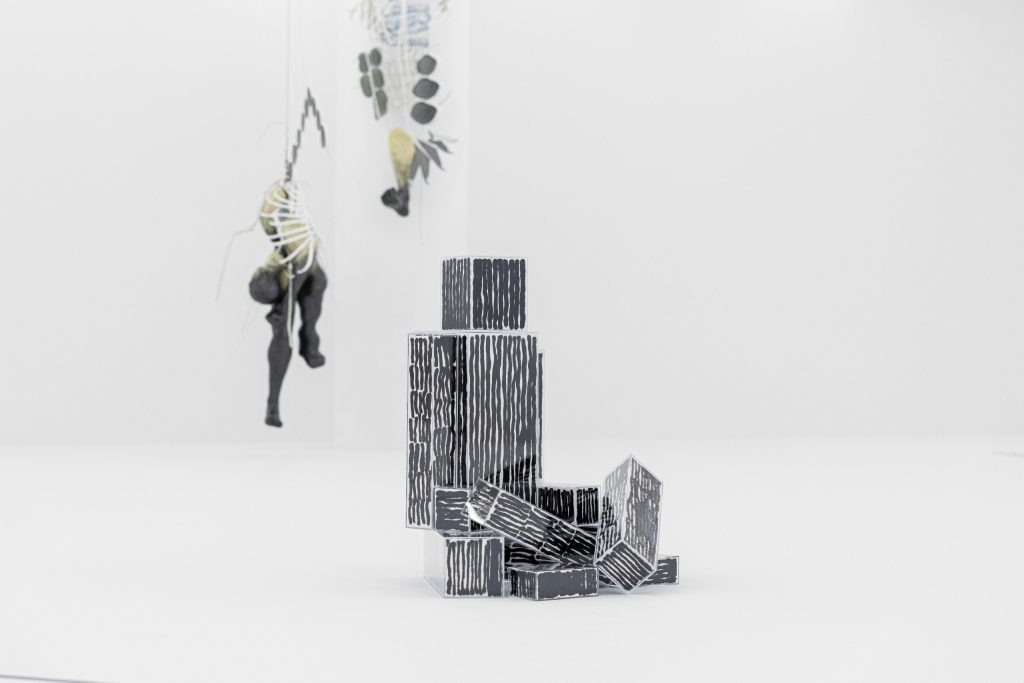
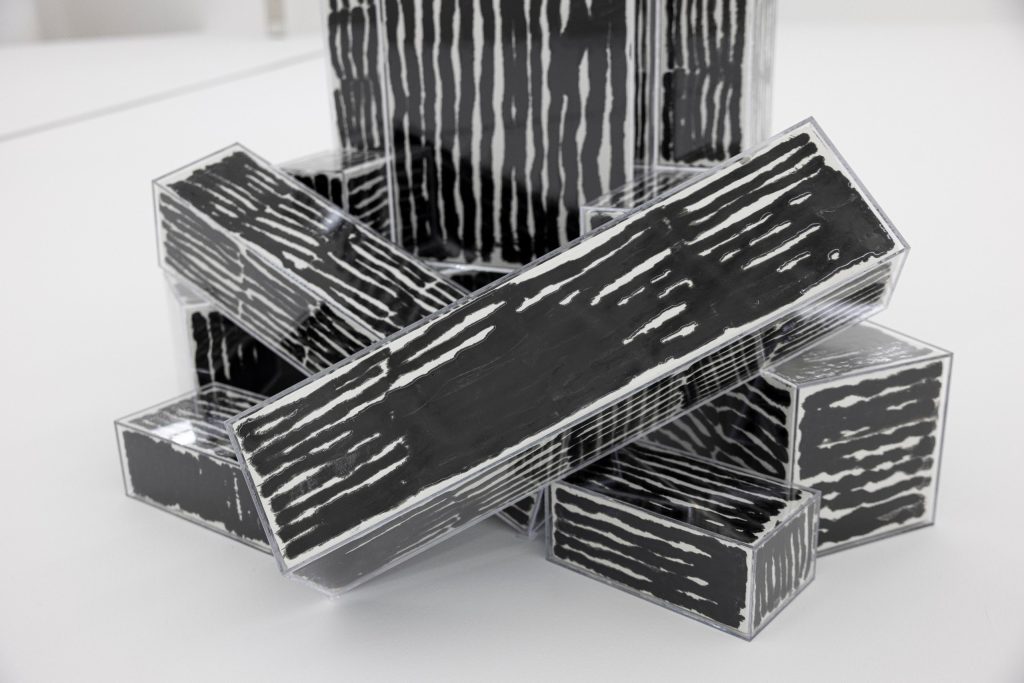
Keloid (2026) alone holds the lotus position, composed and unwavering. The image of a Vietnamese Buddhist monk who self-immolated while seated in that position inspired the sculpture. In addition, transparent cubes hold fragments of the body, stacked to form a single figure.
To make the black lines on the surface, Choi melted Styrofoam with a heating wire and filled the grooves with resin. Once applied, these lines cannot be undone.
About the artist
Haneyl Choi, born in 1991, works primarily in sculpture. In particular, his practice explores desire, social norms and self-perception. Choi has held solo exhibitions at P21 and Arario Museum in Seoul and at Commonwealth and Council in Los Angeles. He has also taken part in group exhibitions at Hauser & Wirth in Hong Kong, the Gwangju Biennale and Esther Schipper in Berlin.
An exhibition catalogue will follow in November. This catalogue will also include a conversation between Choi and visual culture critic Rita, the curator’s essay and a critique by Kim Jaeseok, director of XLarge Gallery.
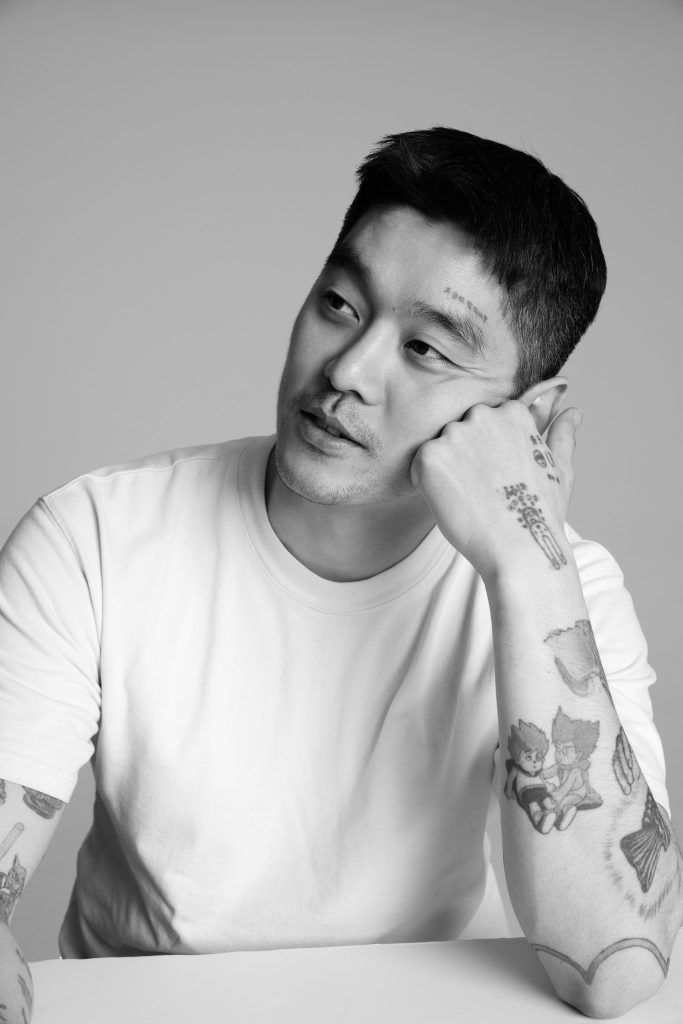
Artist: Haneyl Choi
Photography: Seowon Nam, Kim Sang-tae, Sunghyun Jo
Location: Art Sonje Center / @artsonje_center, Seoul, South Korea