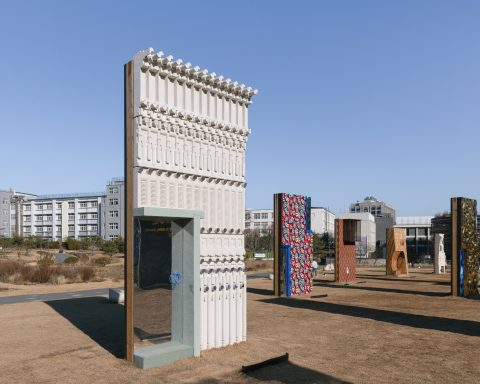
The 16th Gwangju Biennale takes its title, You Must Change Your Life, from the last line of a Rilke poem in which a broken ancient statue leaves its viewer unable to go on as before. Open from 5 September to 15 November 2026 at the Gwangju Biennale Exhibition Hall, the exhibition brings together 43 artists and groups under artistic director Ho Tzu Nyen, with Che Kyongfa, Gahee Park and Brian Kuan Wood. Neither the poem nor the show prescribes what the change should be. The Biennale looks instead at how change unfolds, and at how slow and sudden change can sit inside the same process.
Slow and sudden
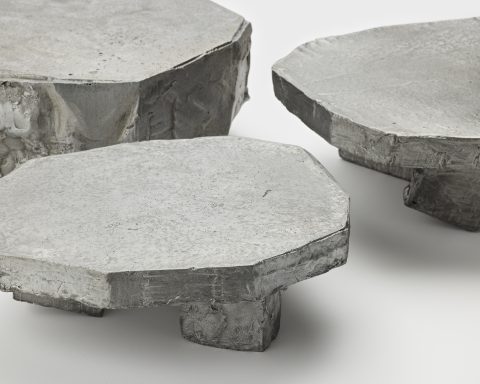
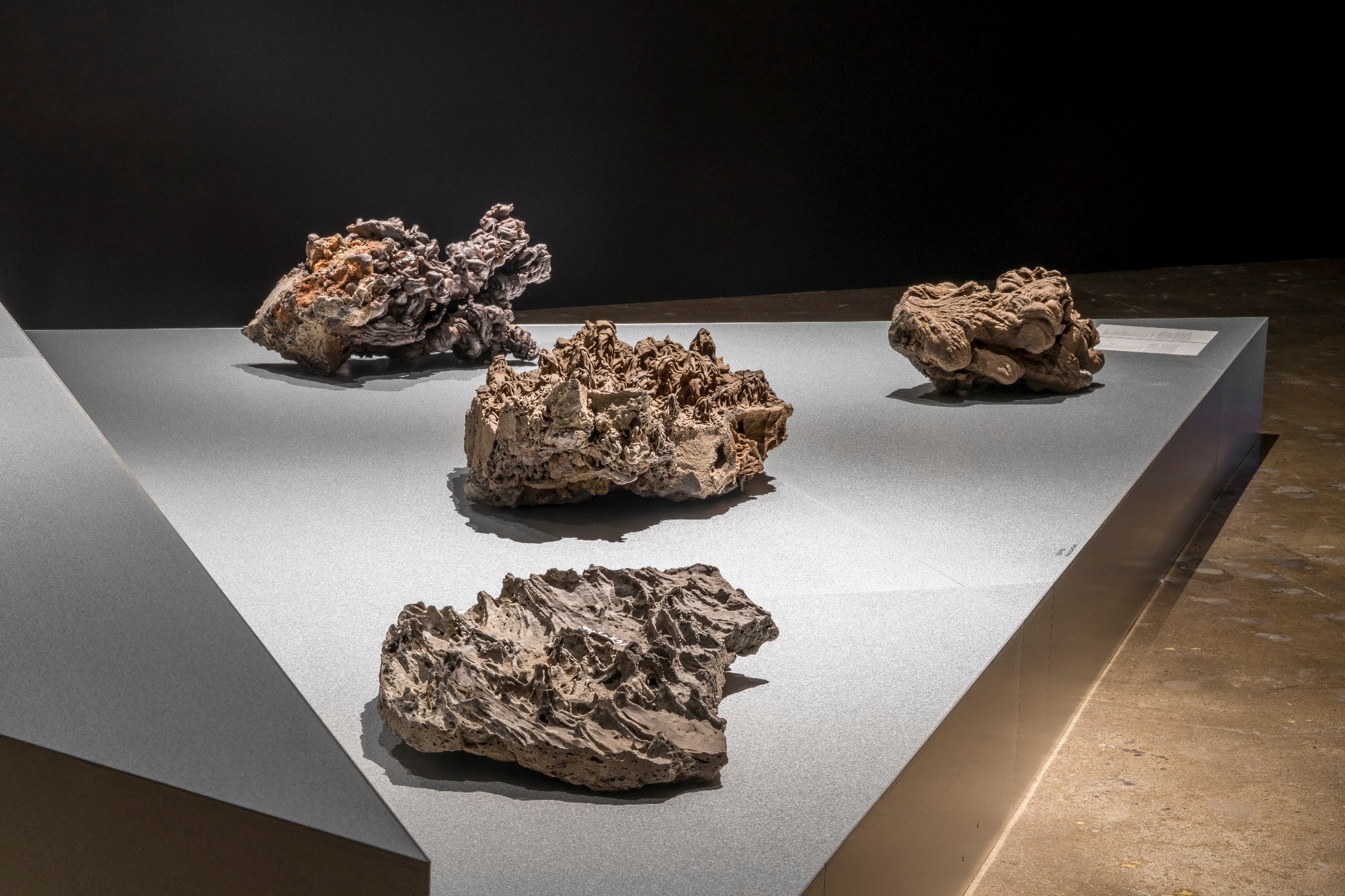
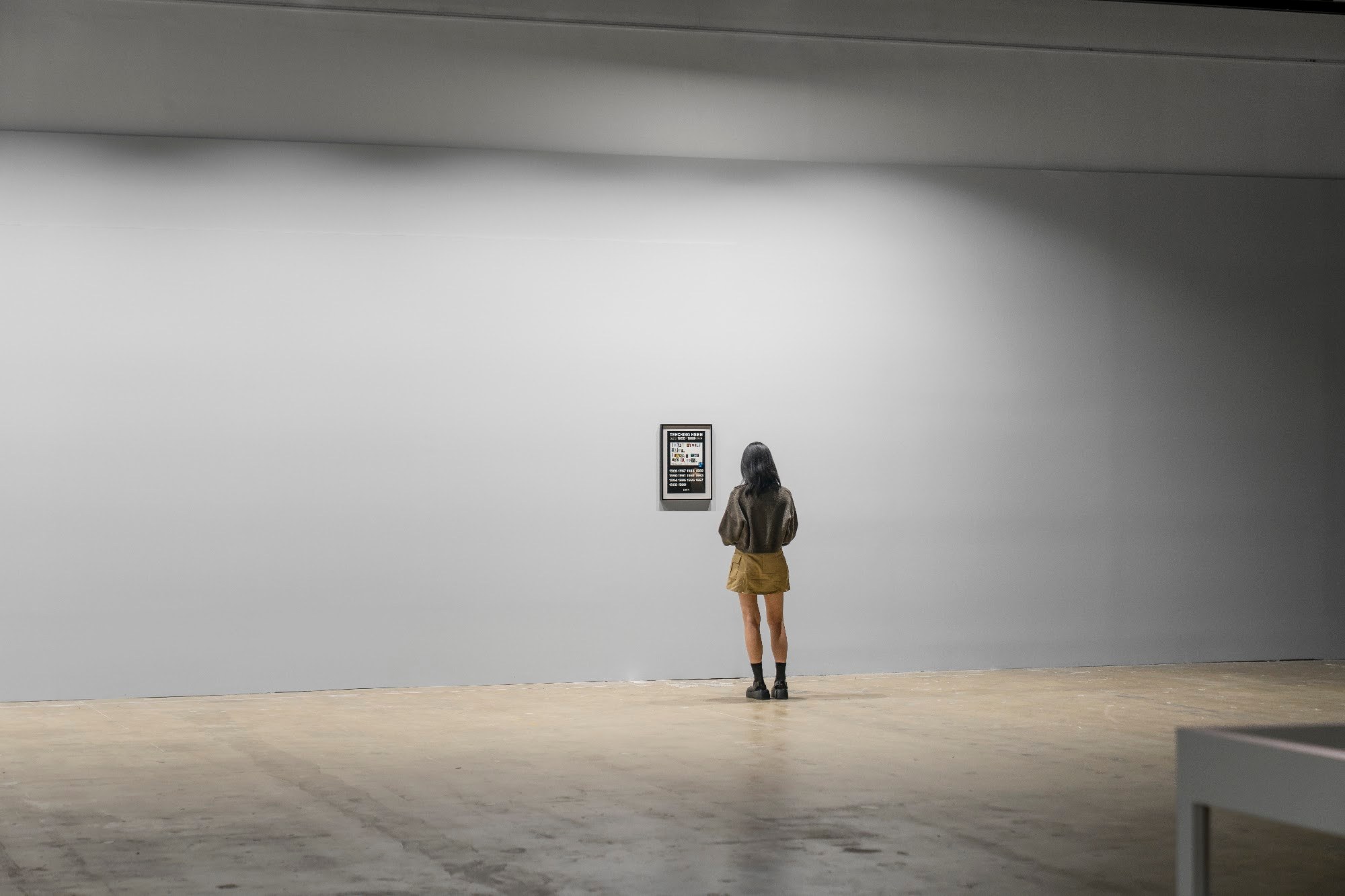
Some of the oldest participants are rocks. Volcanic bombs, lava tree casts, stalactites and stalagmites from Jeju Island, cared for by Jeju Stone Park, appear throughout the building. Each was formed by pressure gathered over millennia, released in a few seconds and then reshaped over millennia more. Tehching Hsieh stands for the slow end of the scale: one of his year-long performances had him repeat the same action every hour, day and night, for a full year.
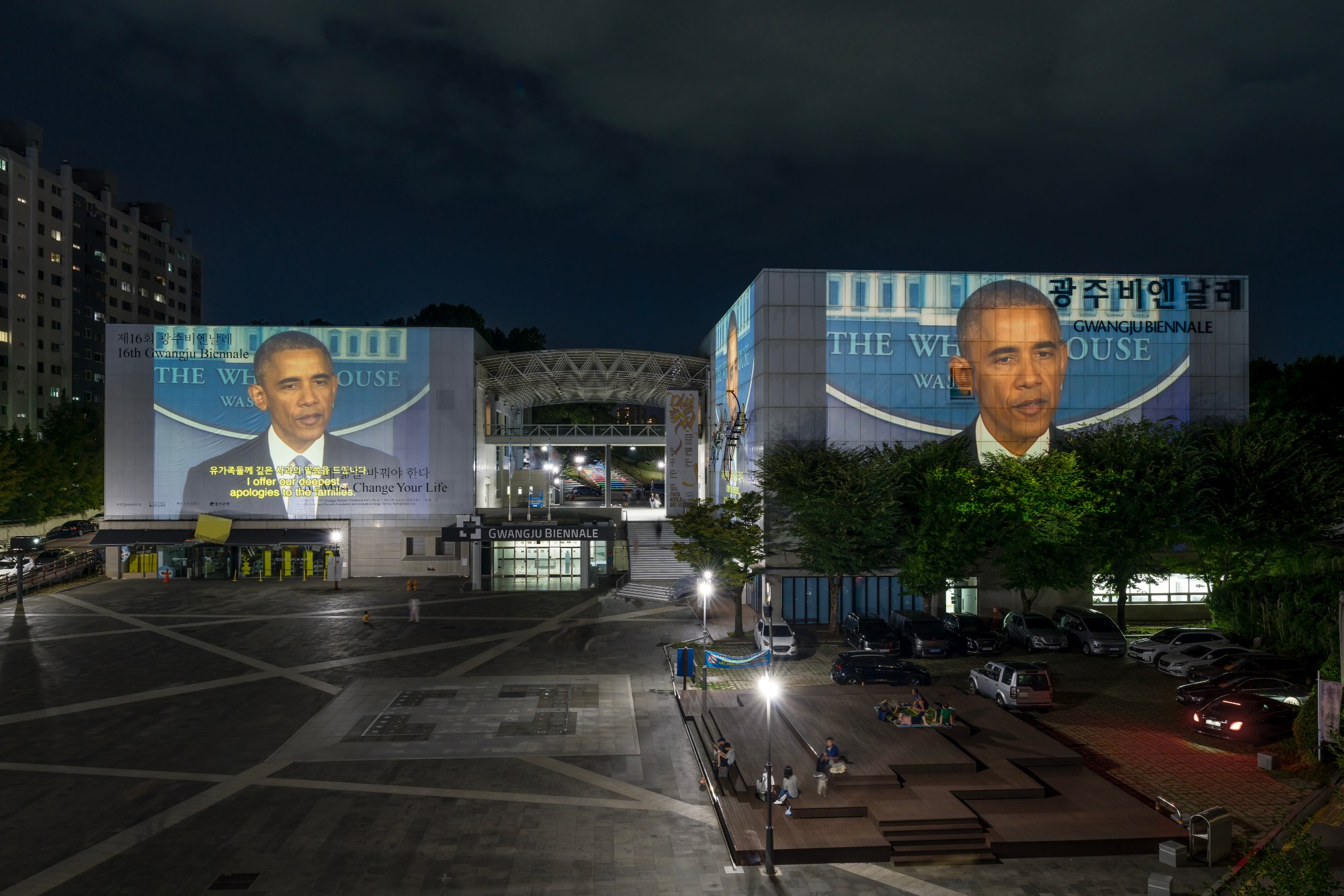
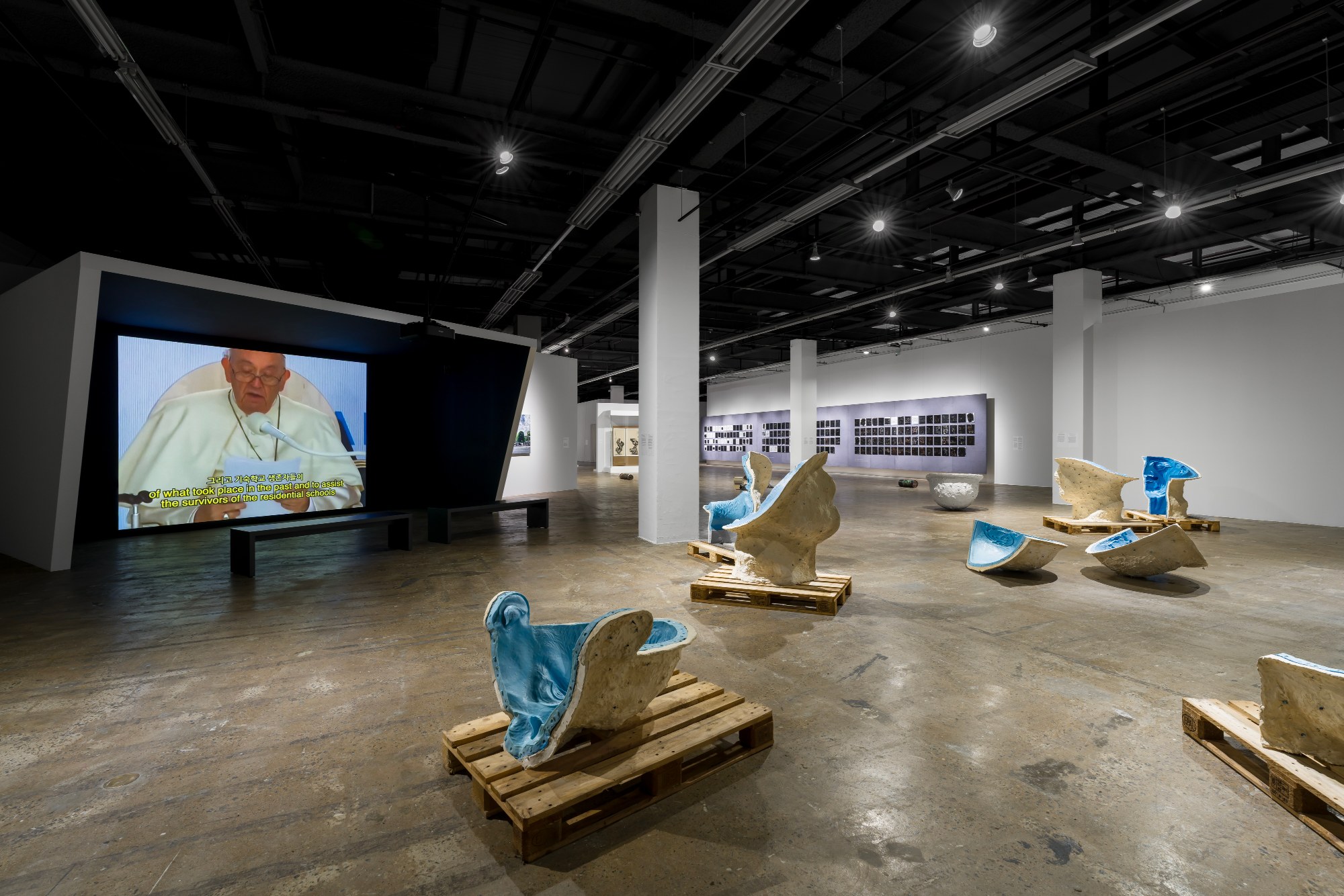
Change also arrives as speech. On the facade of the Exhibition Hall, James T. Hong’s Apologies (2012–), a single-channel video that runs for 10 hours and 43 minutes, plays to the square outside.
Five galleries of the Gwangju Biennale
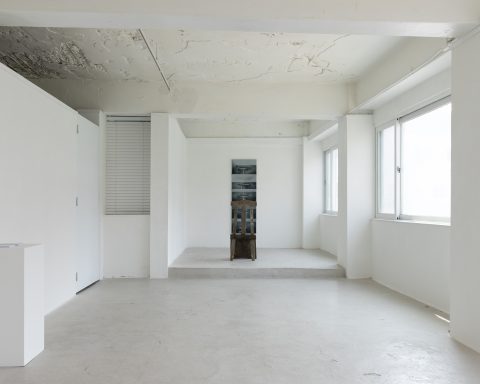
The whole exhibition sits inside one building, which makes this one of the more concentrated editions of the Gwangju Biennale. Ho describes it as a passage through different worlds. Each of the five galleries sets its own terrain, light and pace, and a few artists, among them Rim Dong Sik, Sasaki Ken, Nina Canell, Rossella Biscotti and Goldin+Senneby, reappear from room to room.
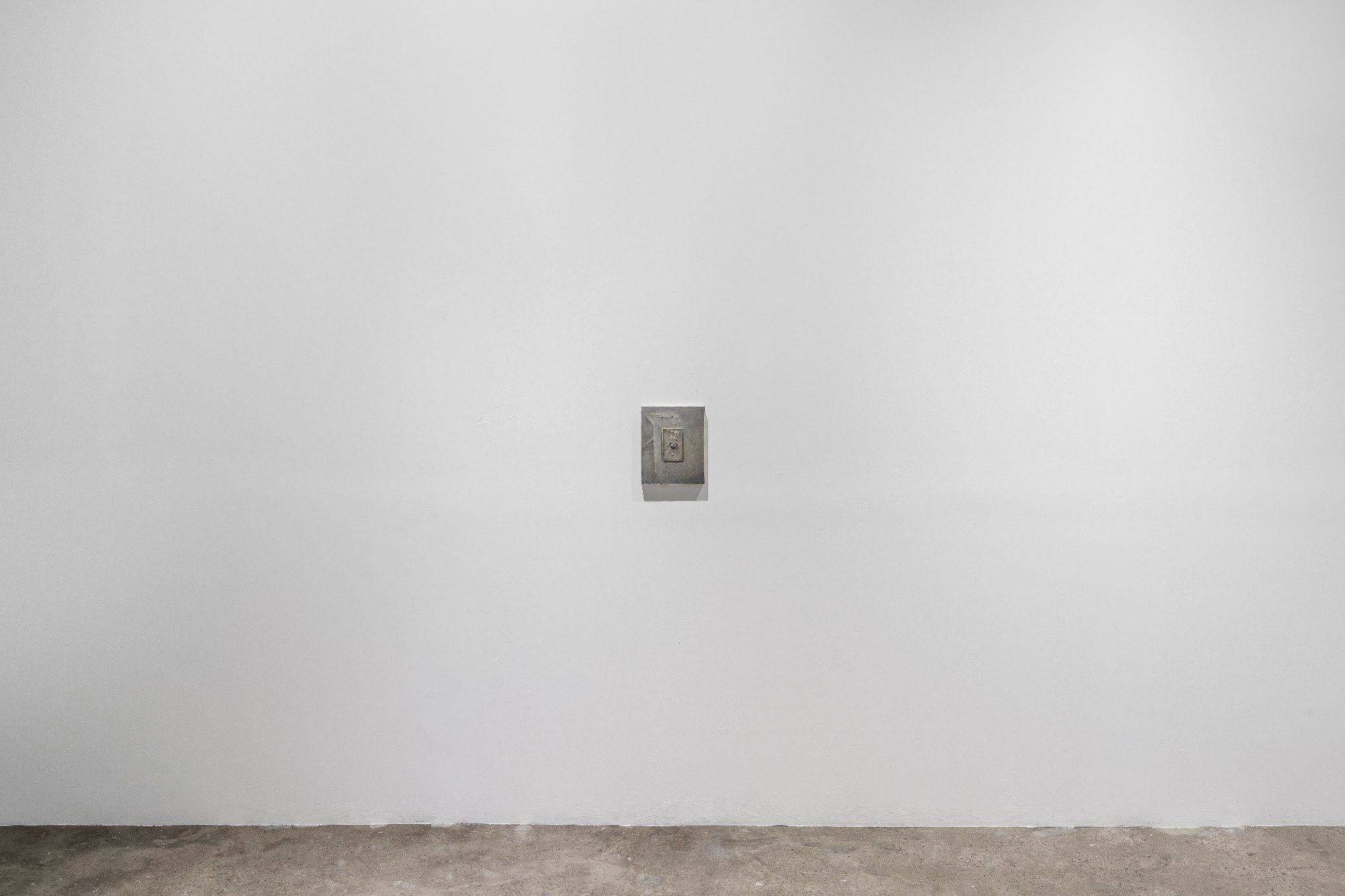
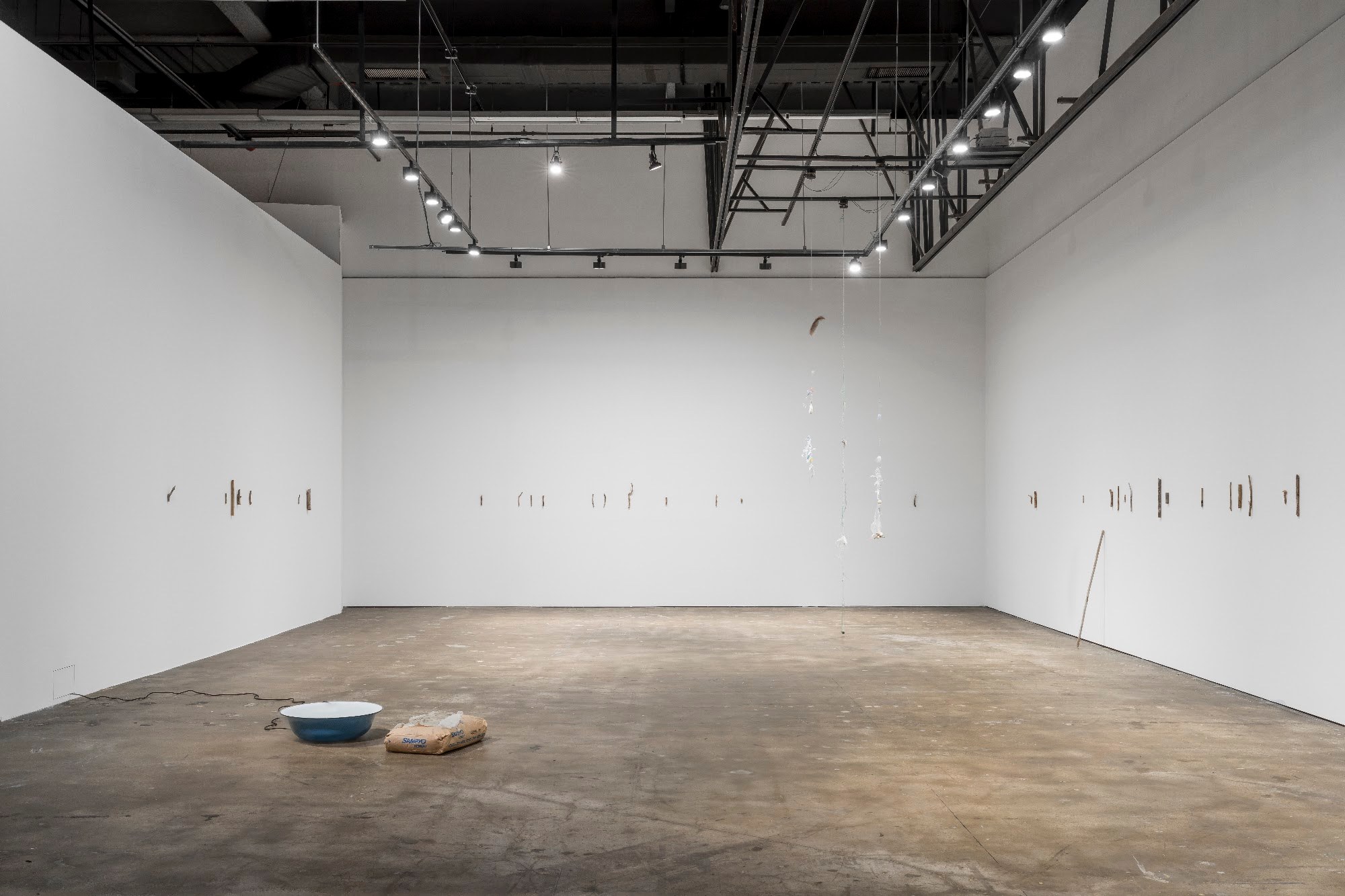
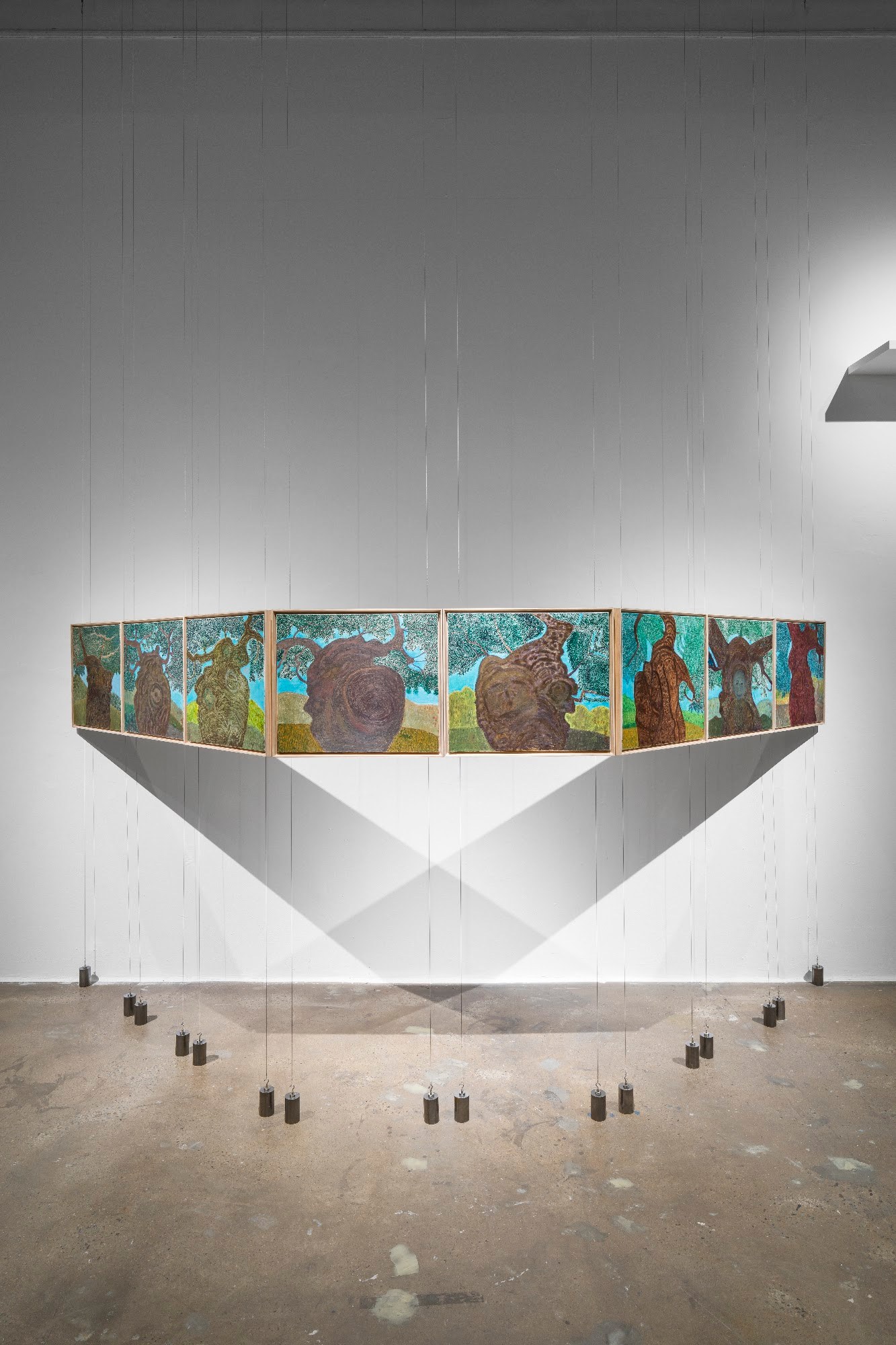
Gallery 1, Molecules and Me, is a flooded field of matter in constant circulation, with works by Nina Canell, Goldin+Senneby, Rossella Biscotti, Maya Watanabe and Jean Barth.
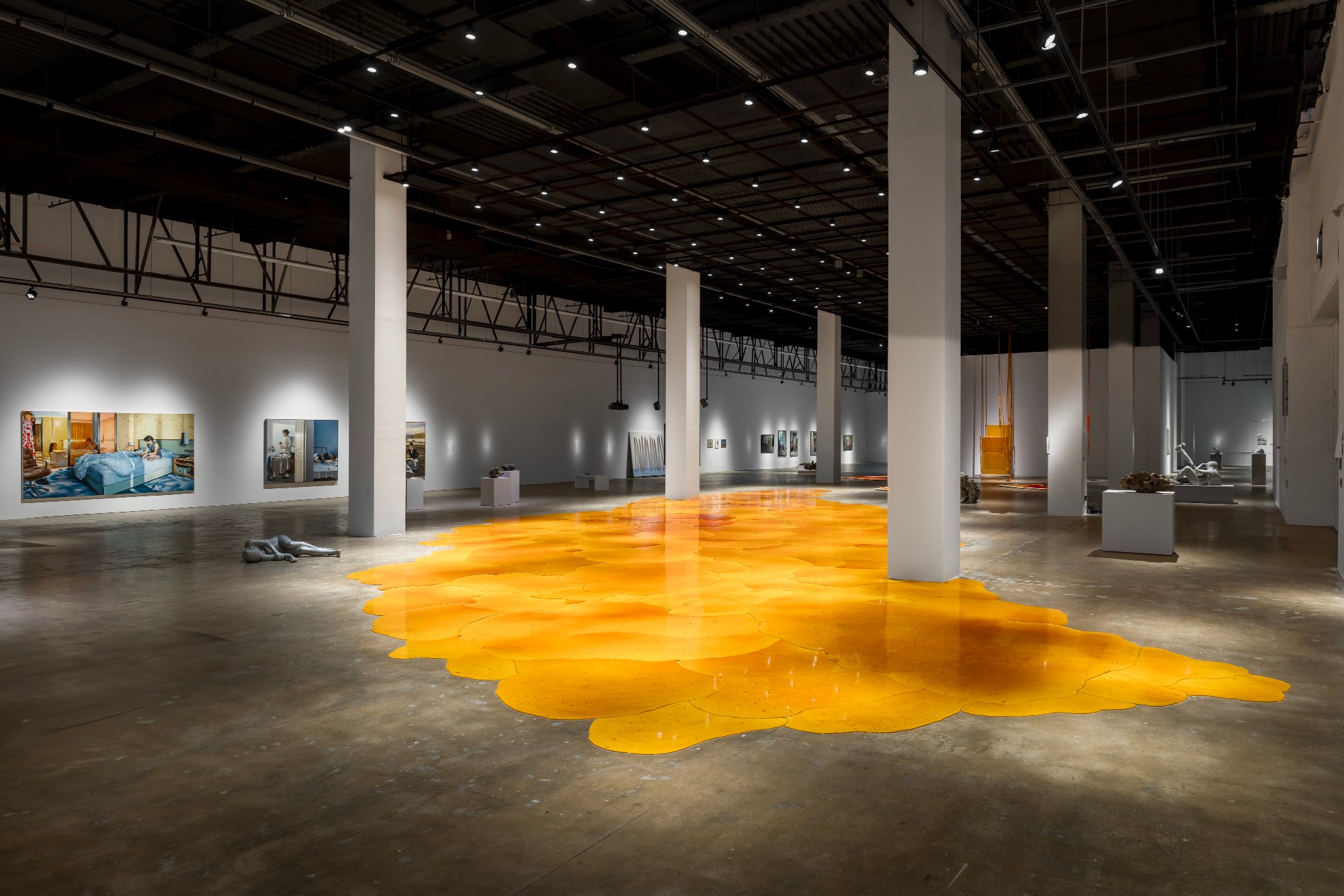
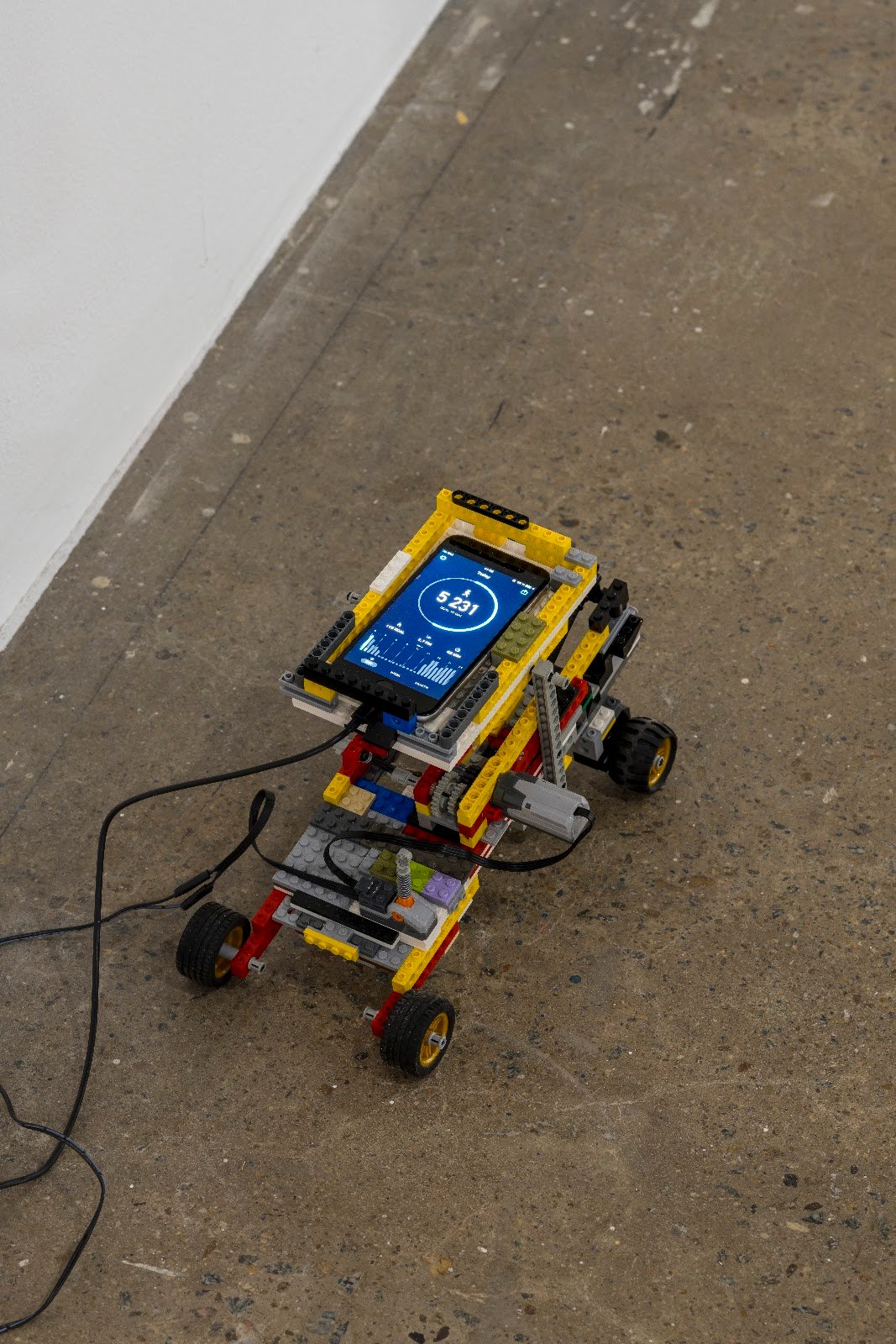
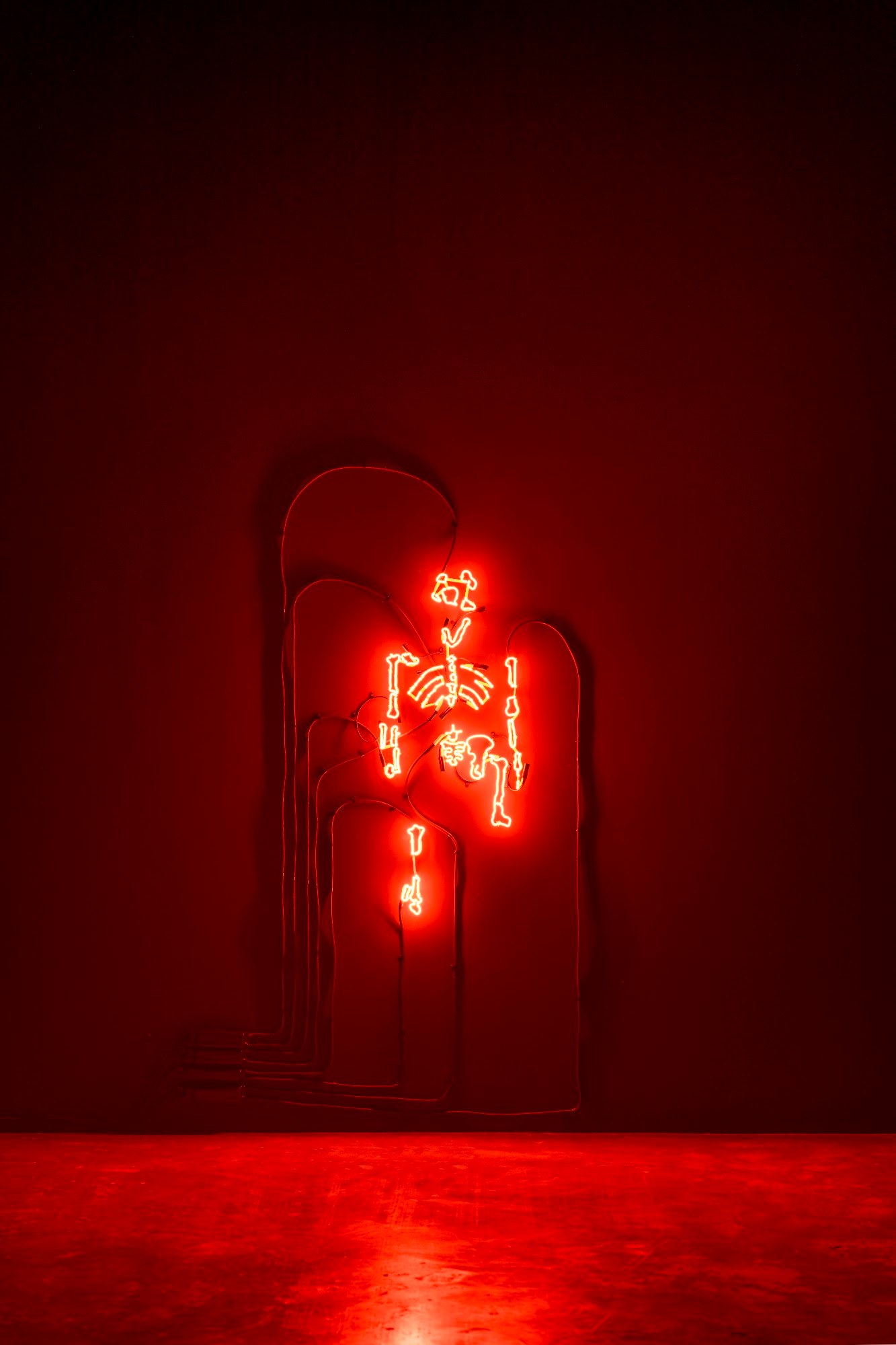
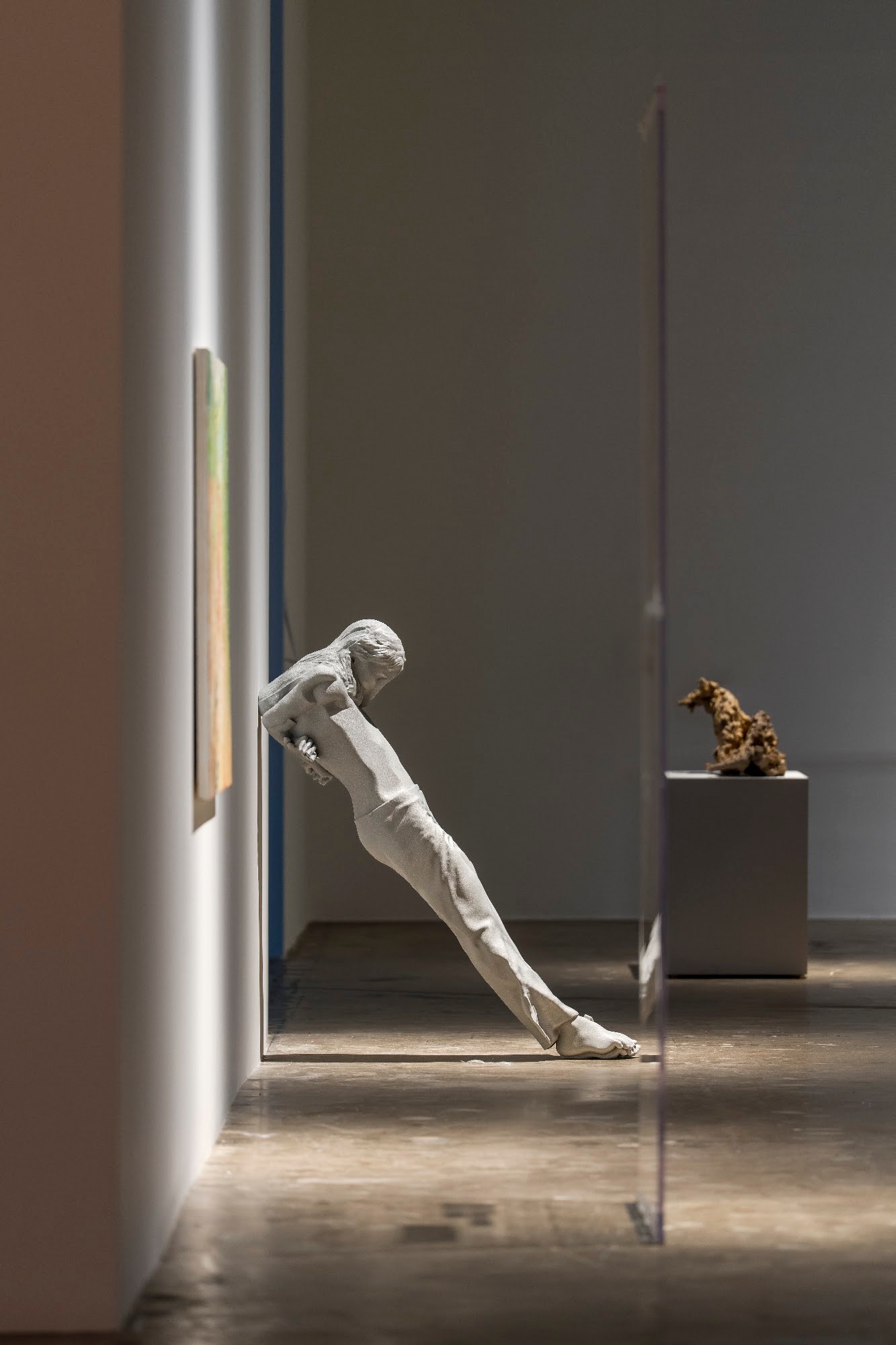
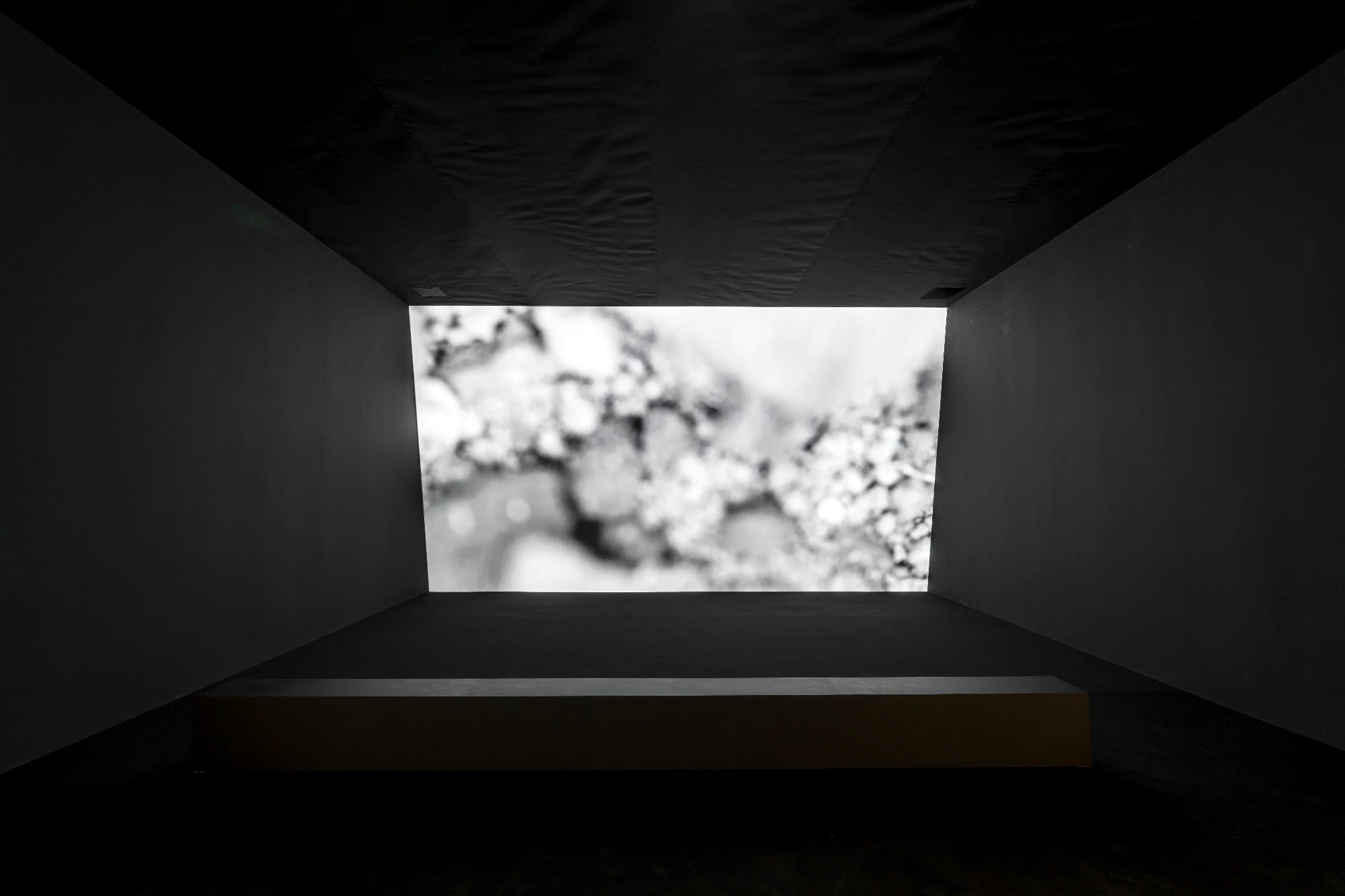
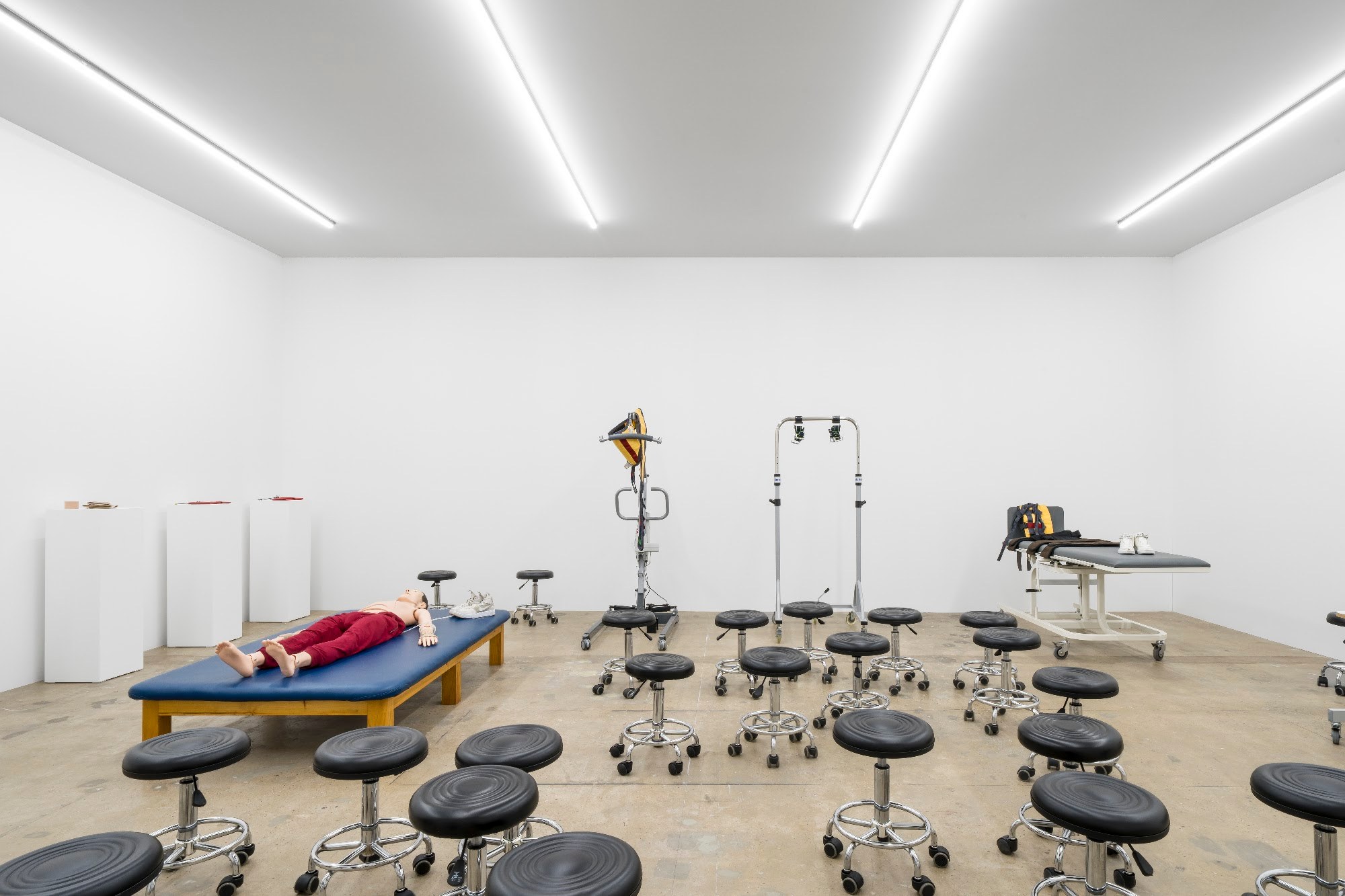
Gallery 2, Bodies and Bonds, is divided like a football pitch or a table-tennis table, two sides facing each other across a line. Amanda Heng, Tehching Hsieh, Geumhyung Jeong, A K Dolven and Mona Benyamin look at care, discipline, illness, intimacy and training.
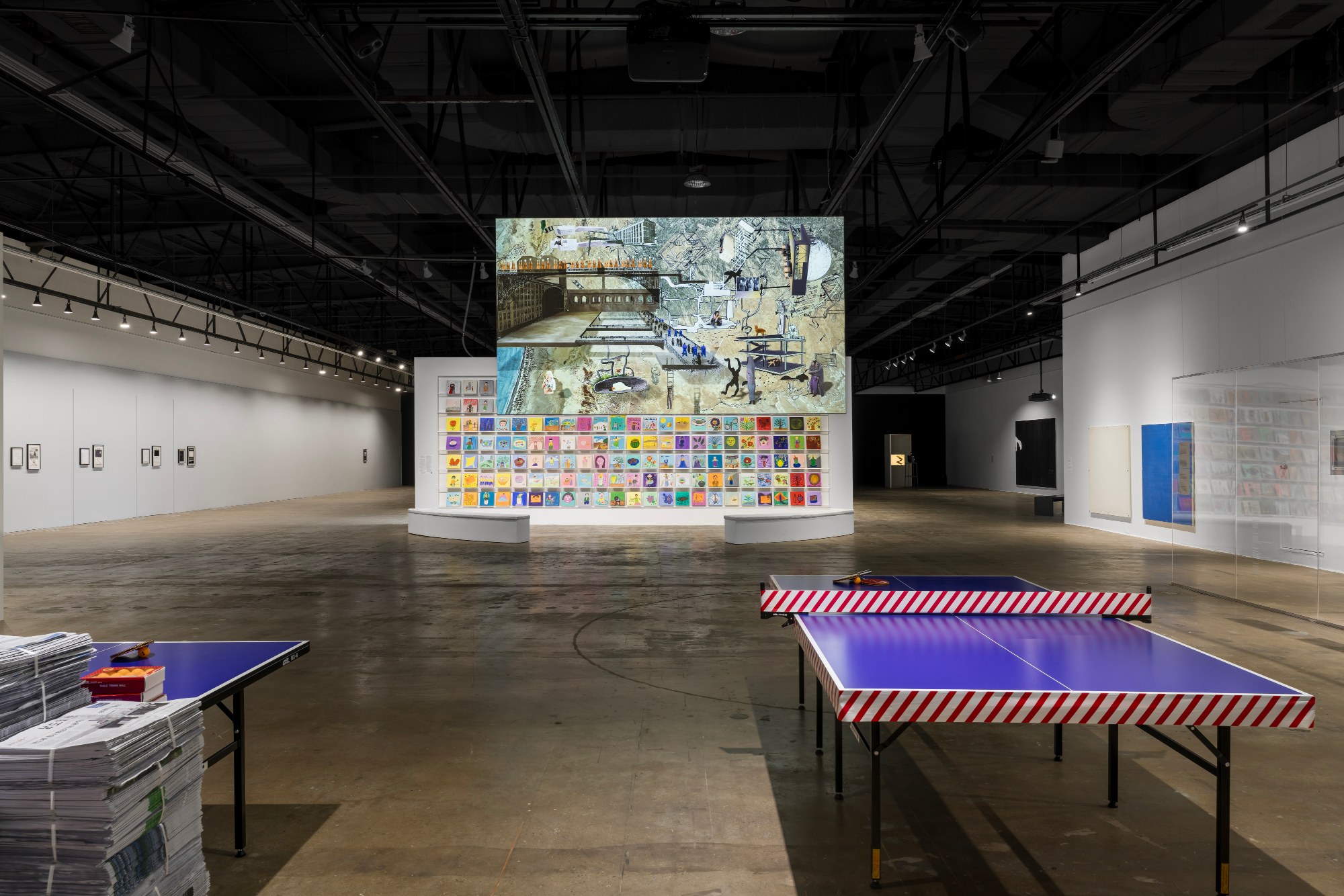
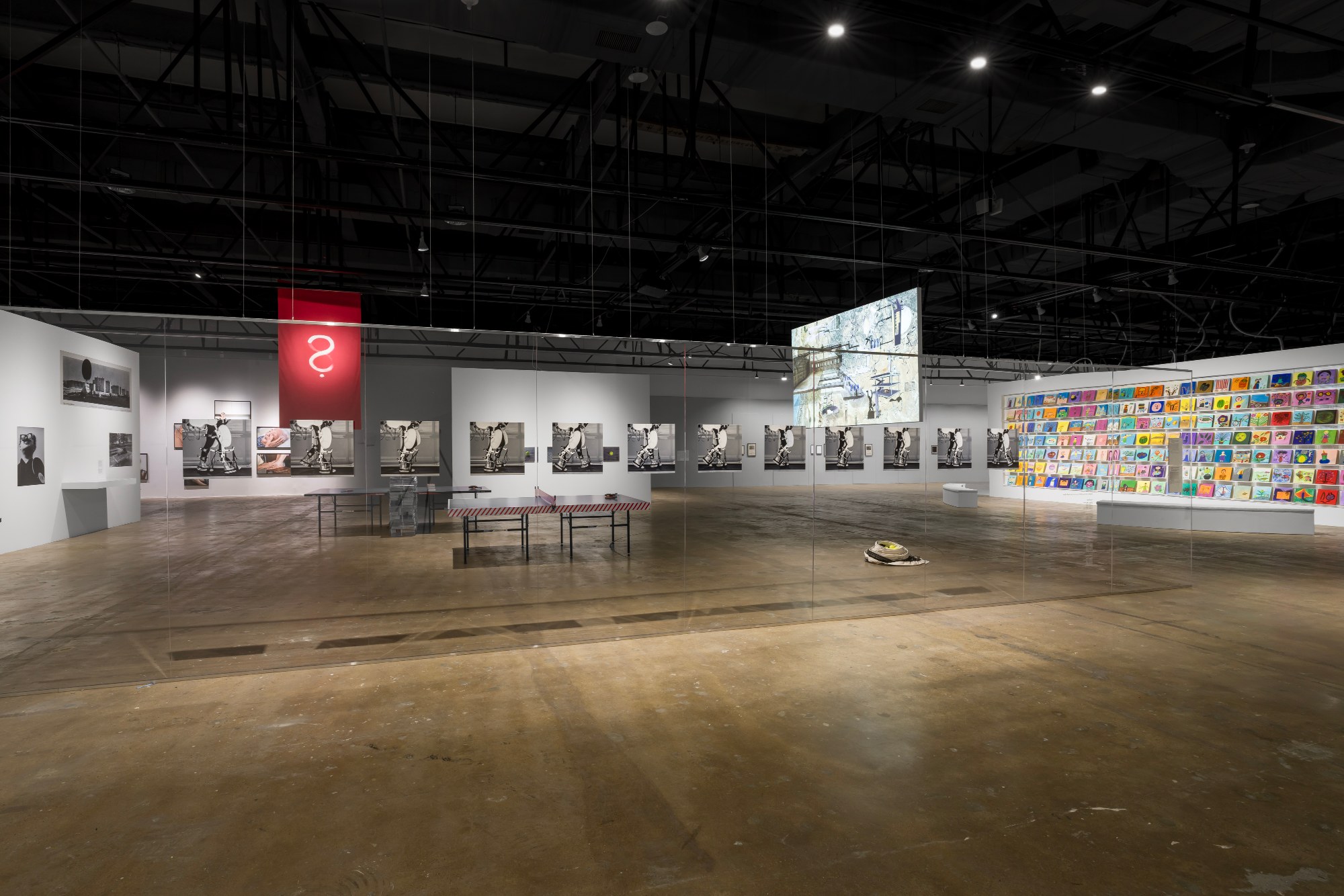
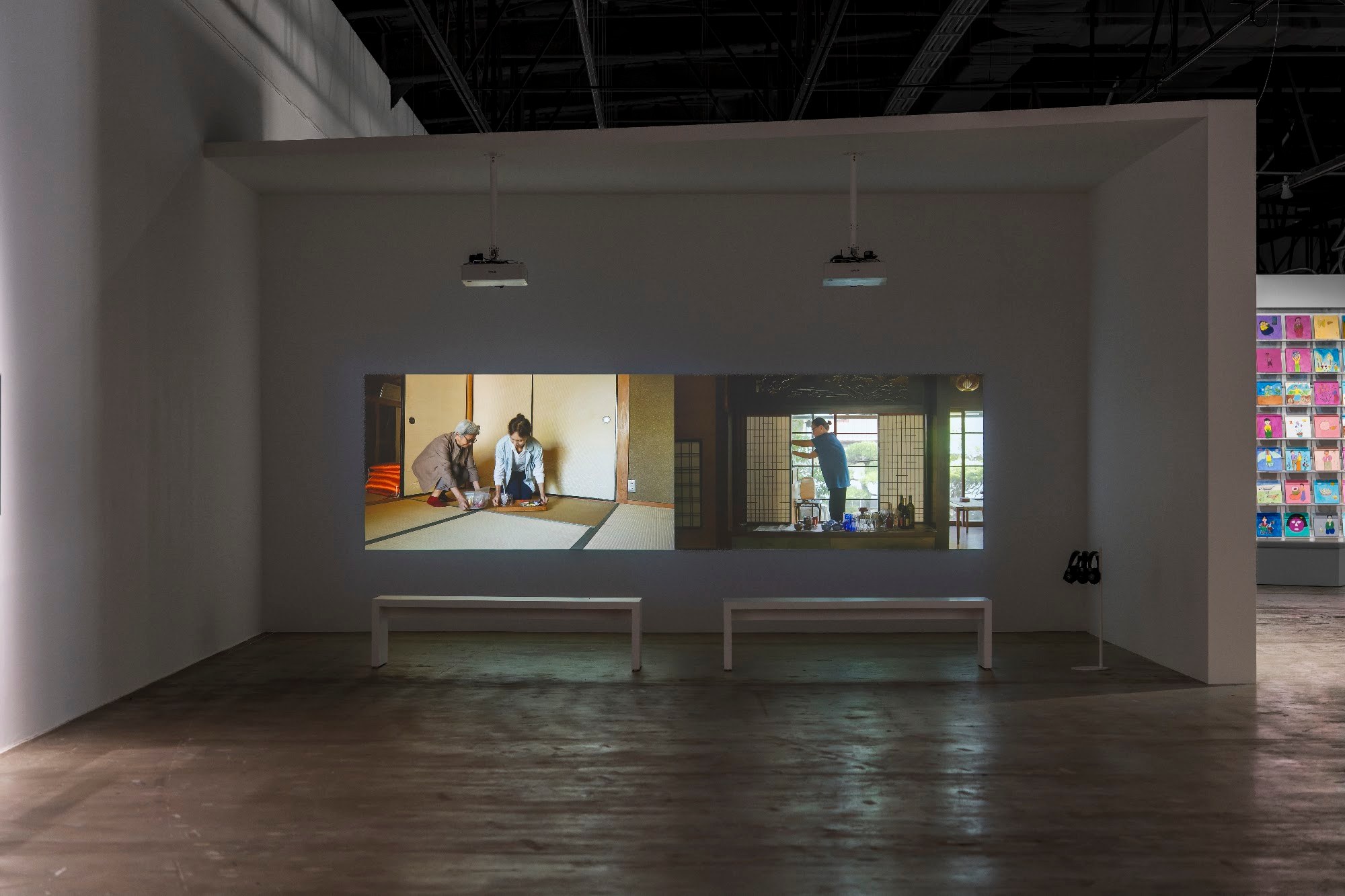
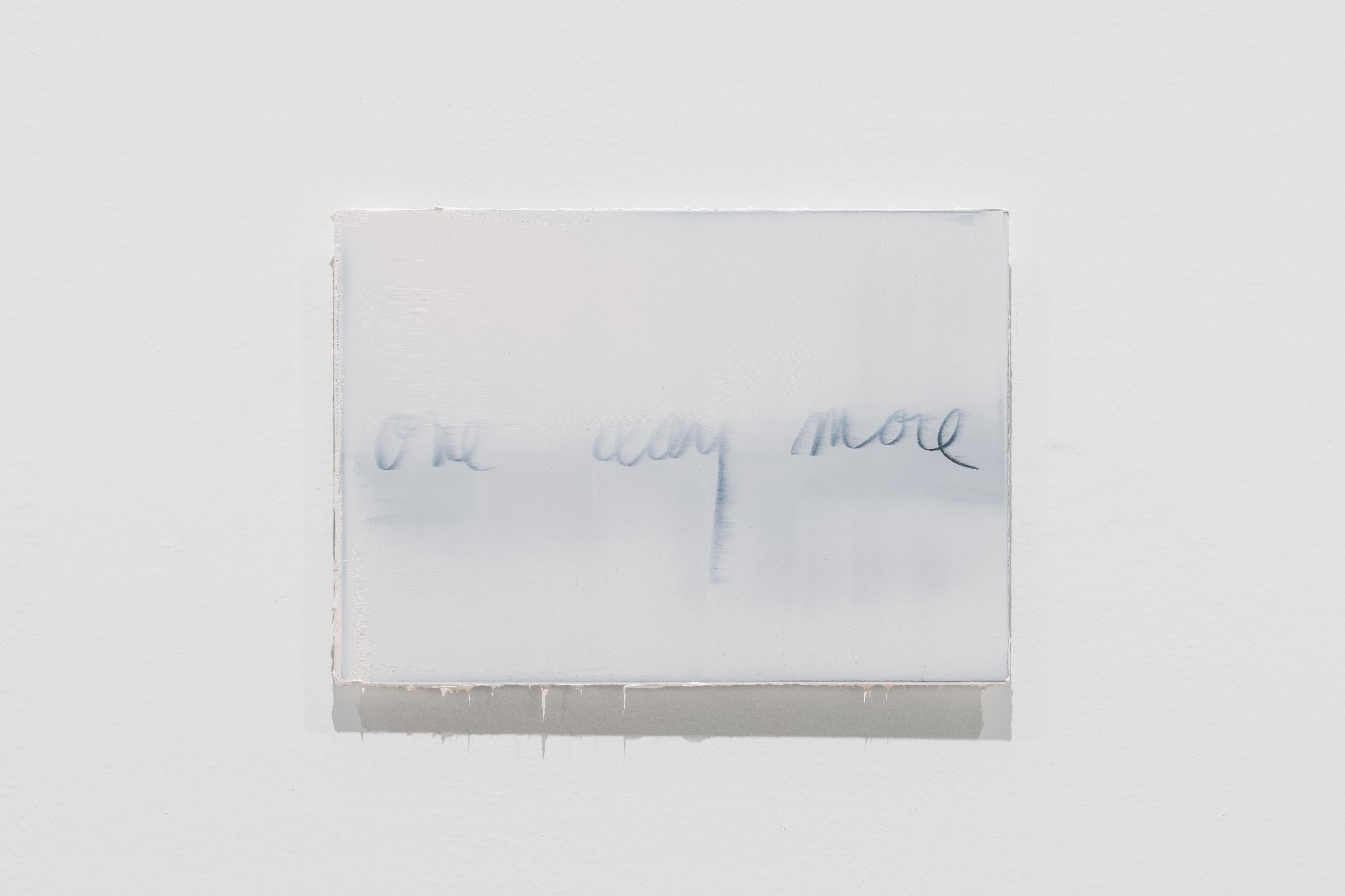
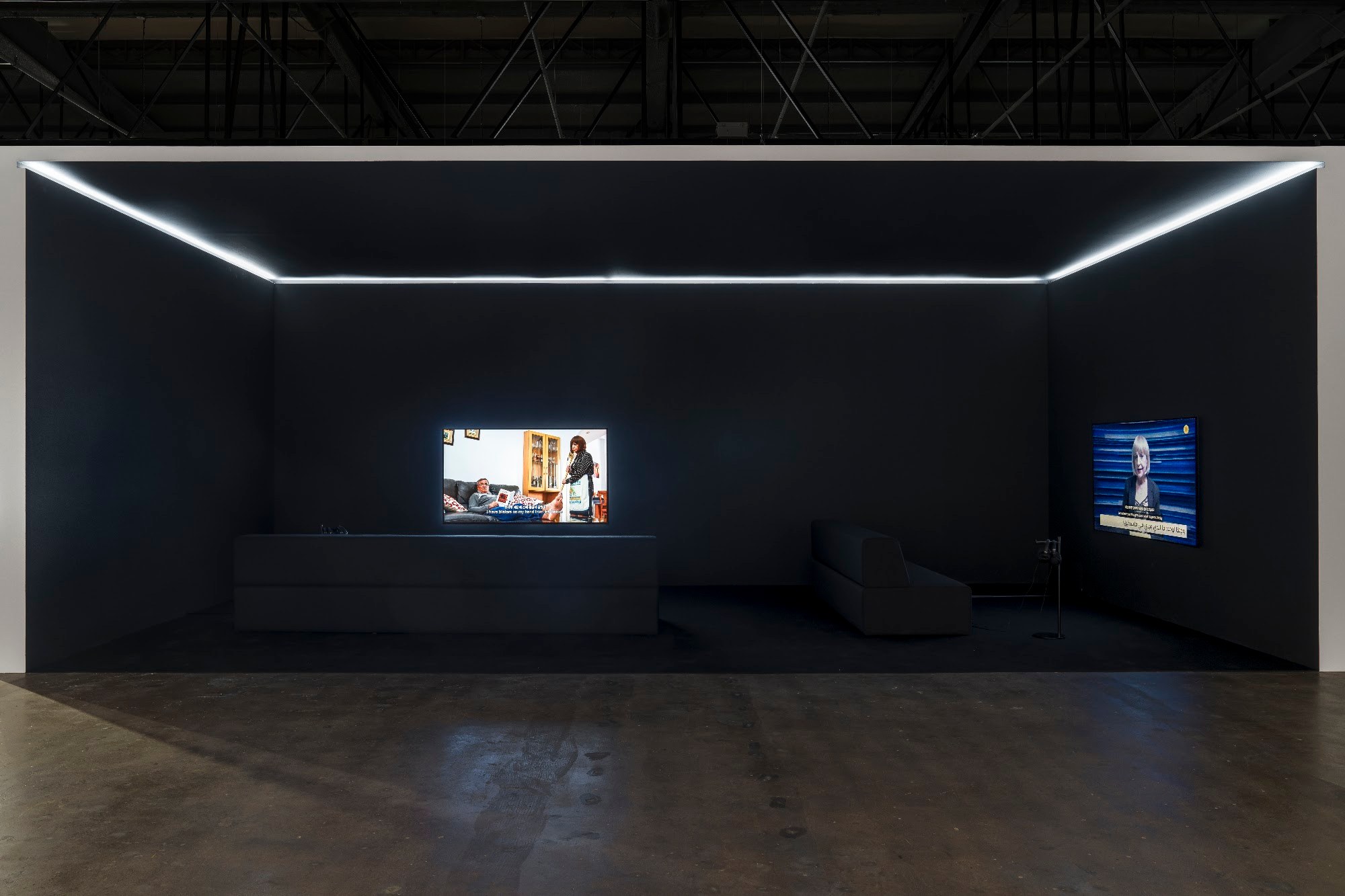
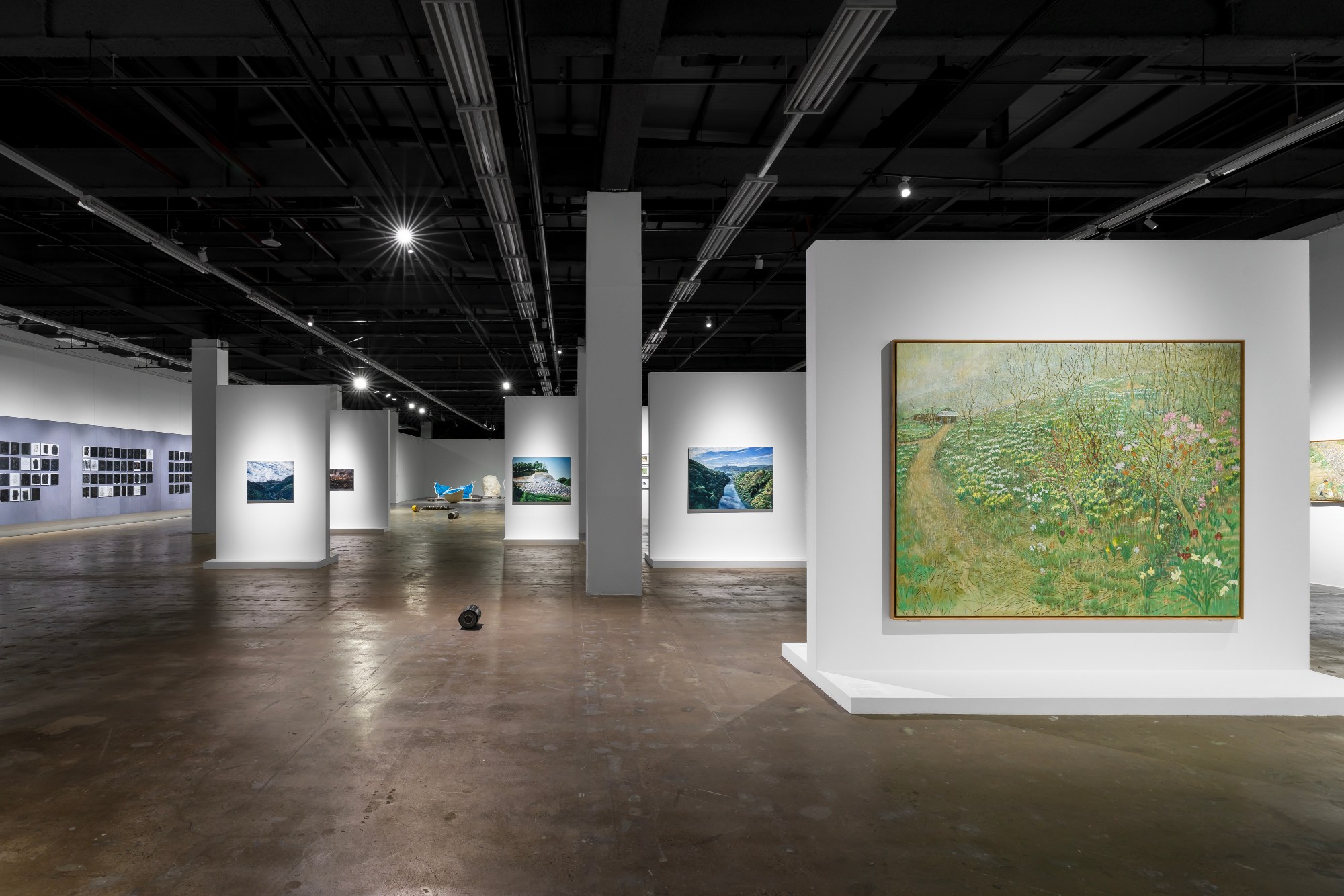
Gallery 3, Landscapes and Learning, opens into a forest of cultivation, where fields, schools, cities and communities shape how people know and live.
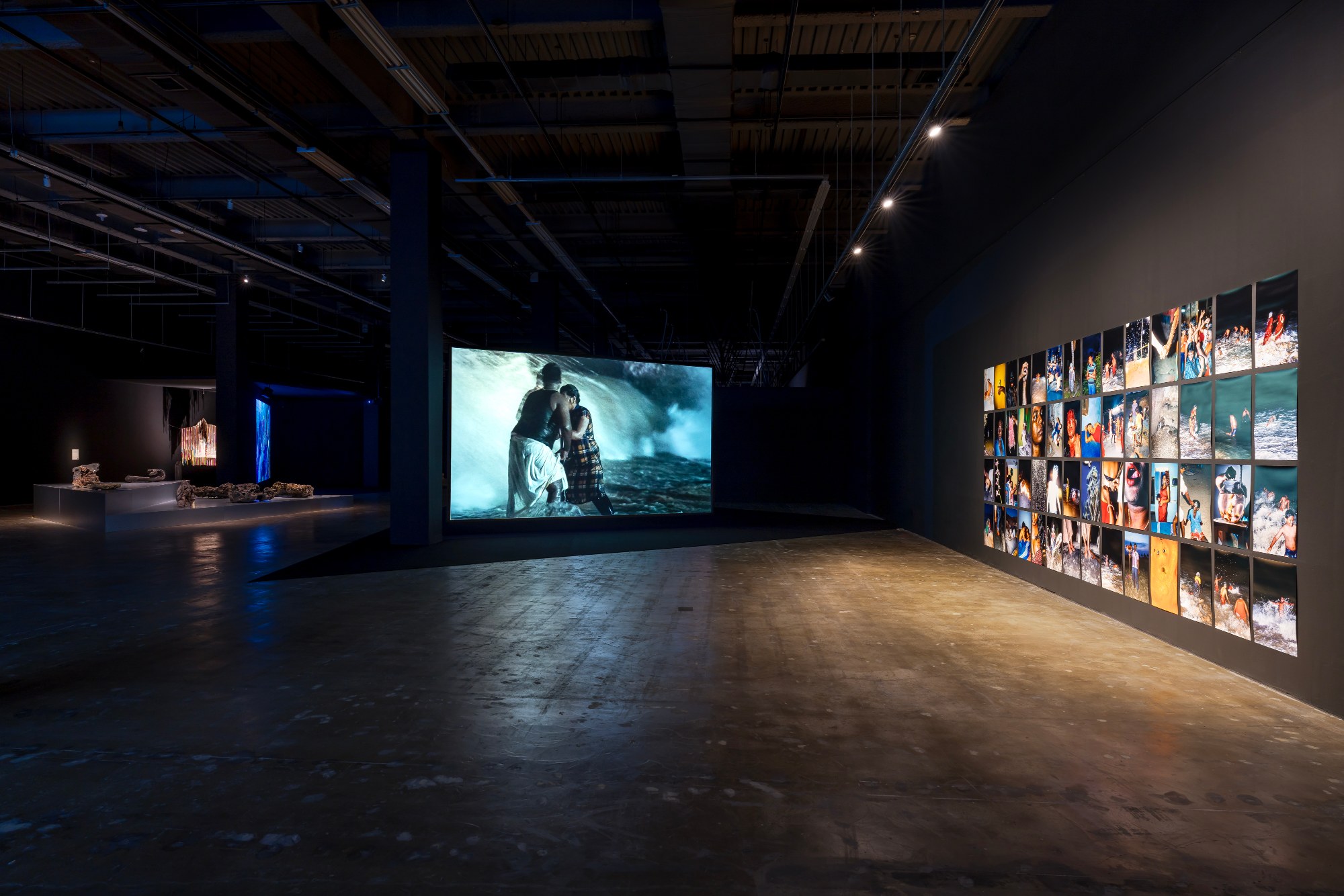
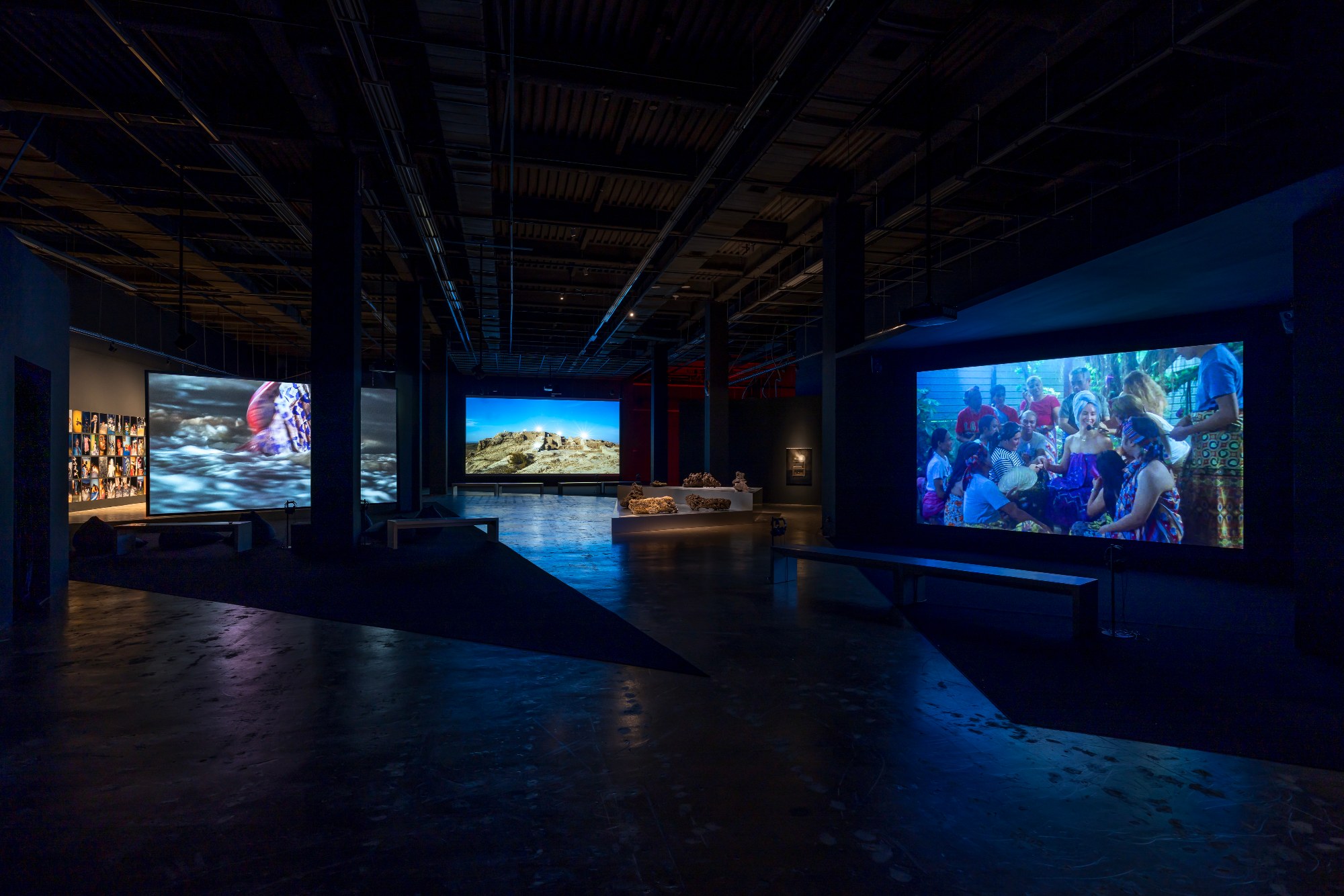
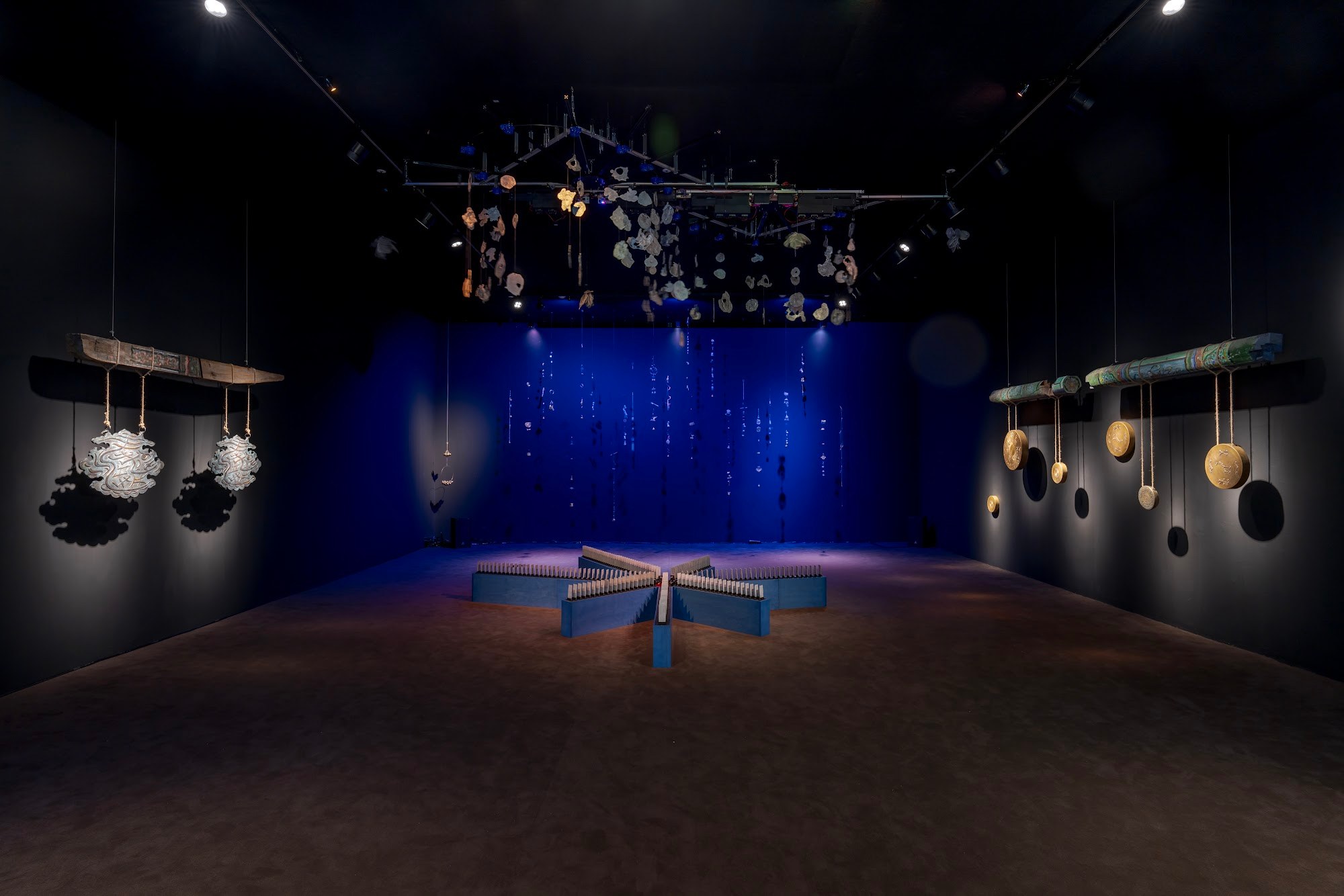
Gallery 4 goes dark, a night landscape of sleep, ancestral dreams and planetary time.
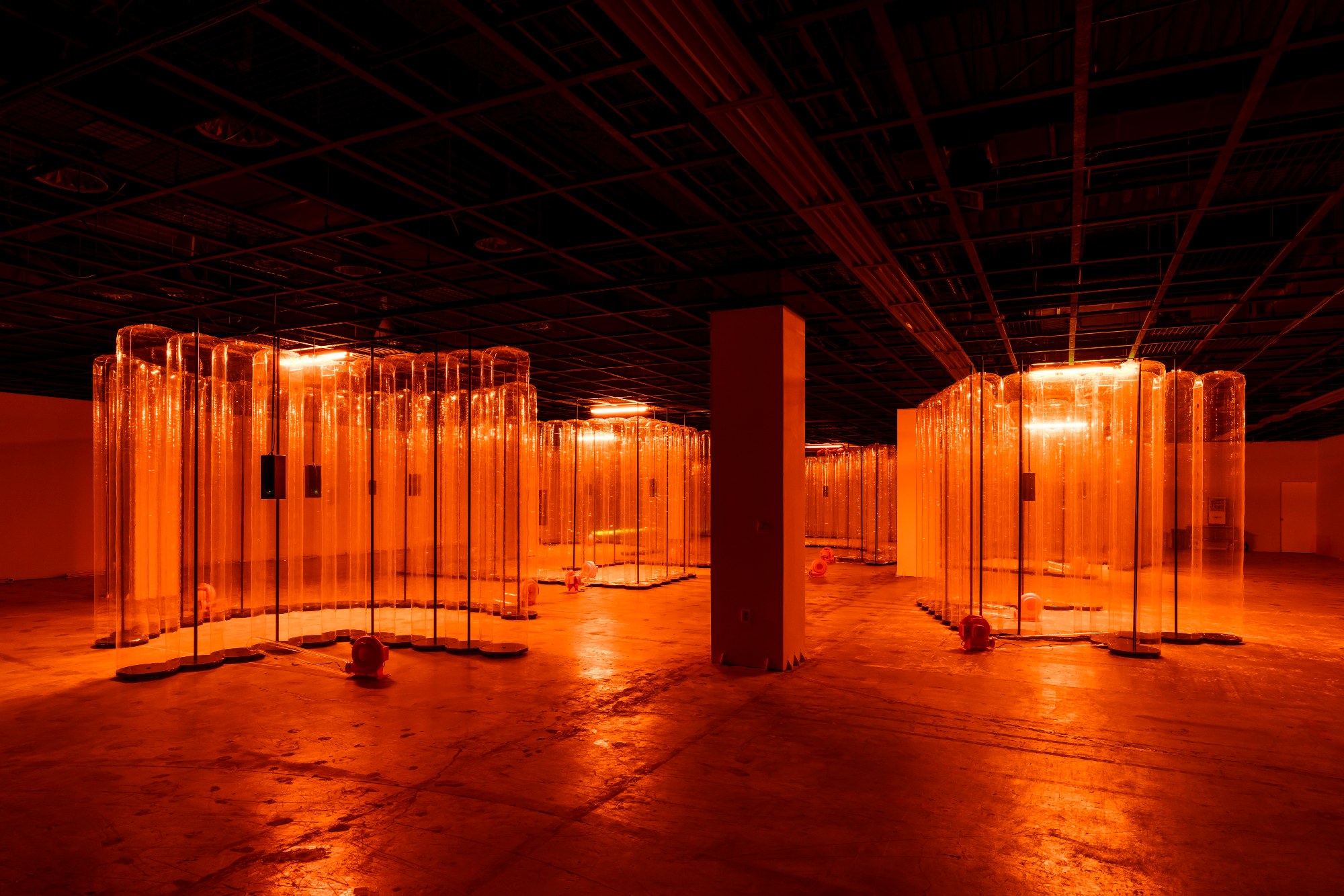
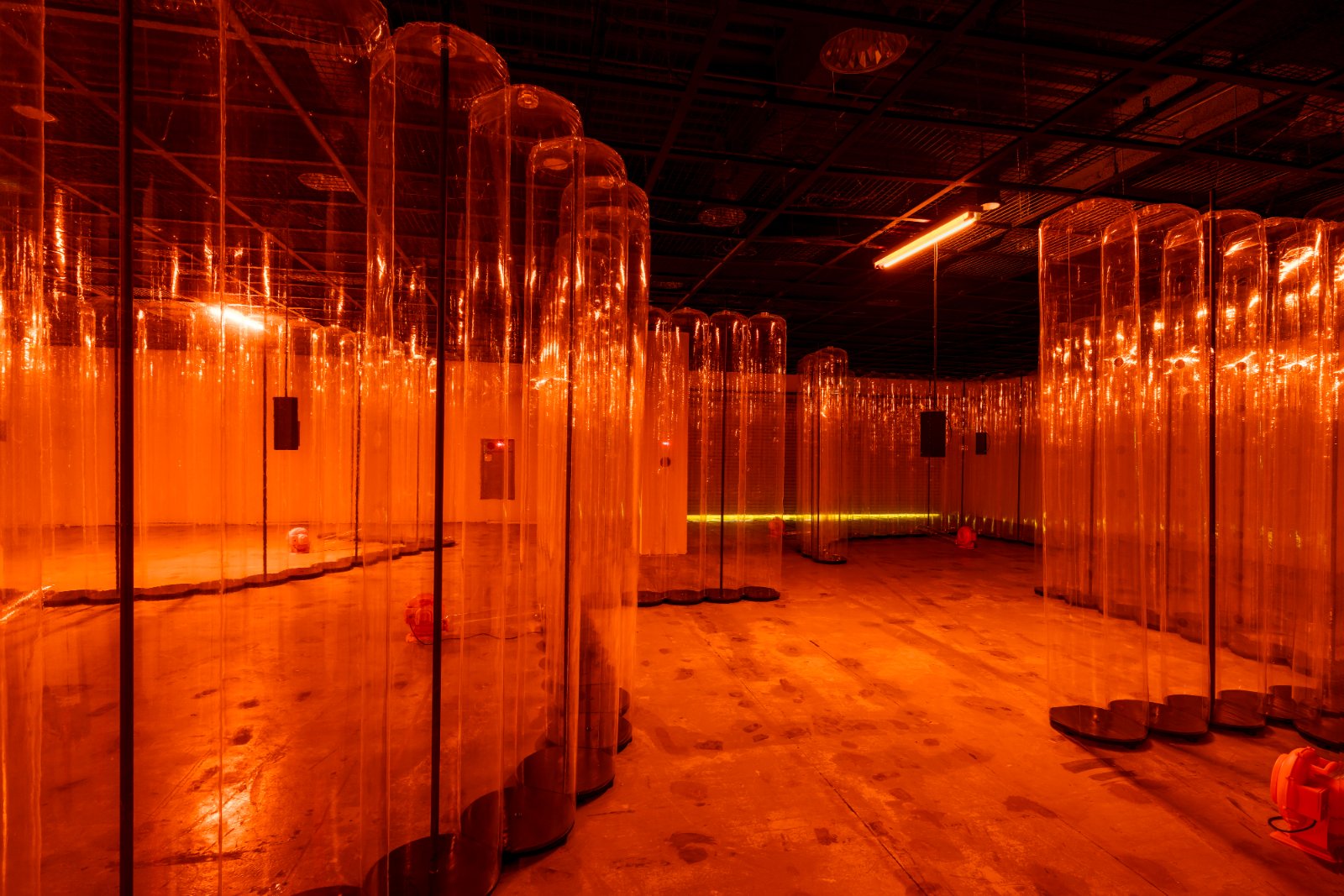
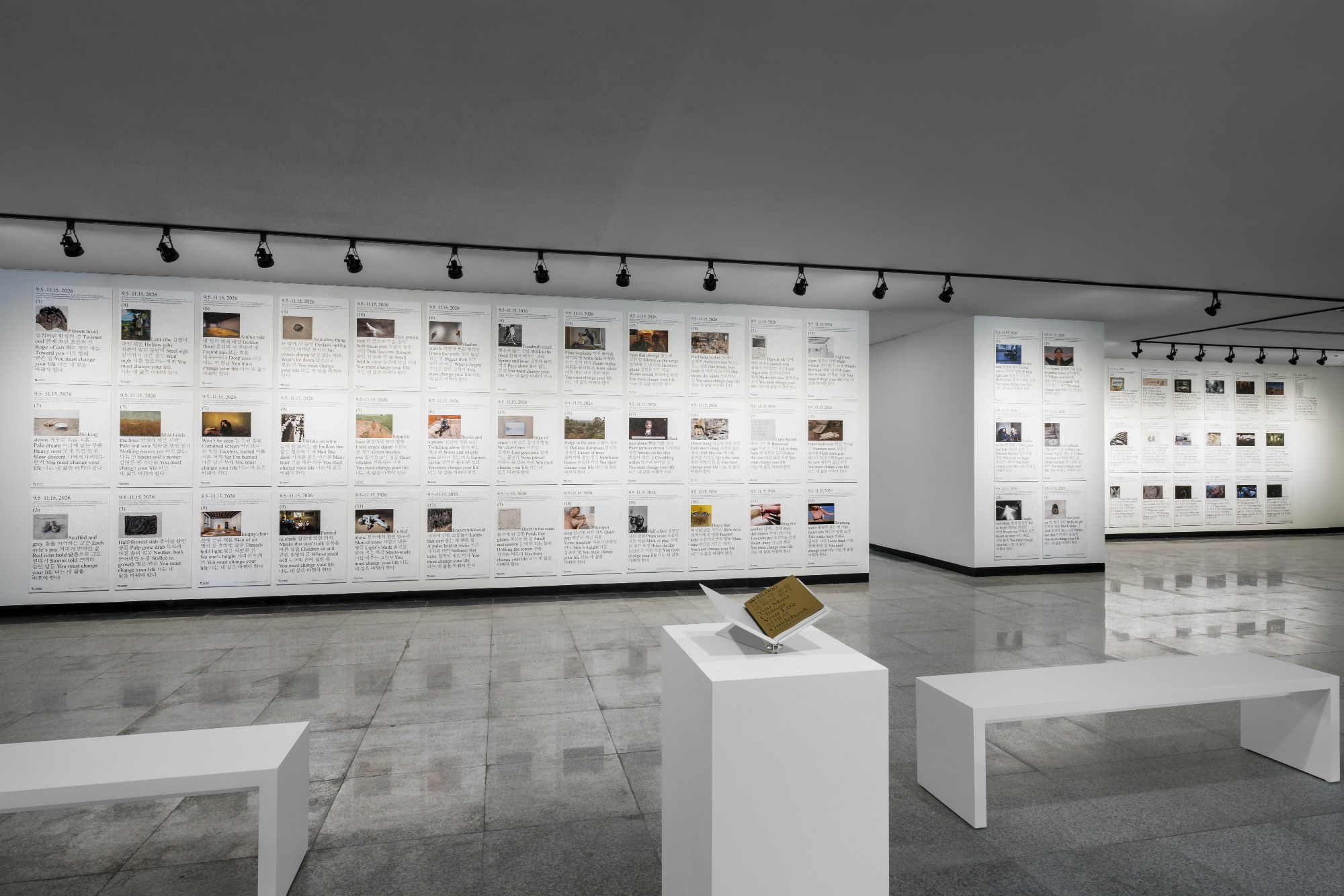
Gallery 5 barely reads as a room. It is given over to breath, sound and language. Jacqueline Kiyomi Gork’s Not Exactly BPM (Variation Rrose) fills it with transparent vinyl inflatables and multi-channel sound, with a composition by the electronic musician Rrose. Nearby, Image-Poems pairs images from the participating artists with AI-generated text on printed posters, made with KAIST Visual Instruments Lab.
Rooted in the city
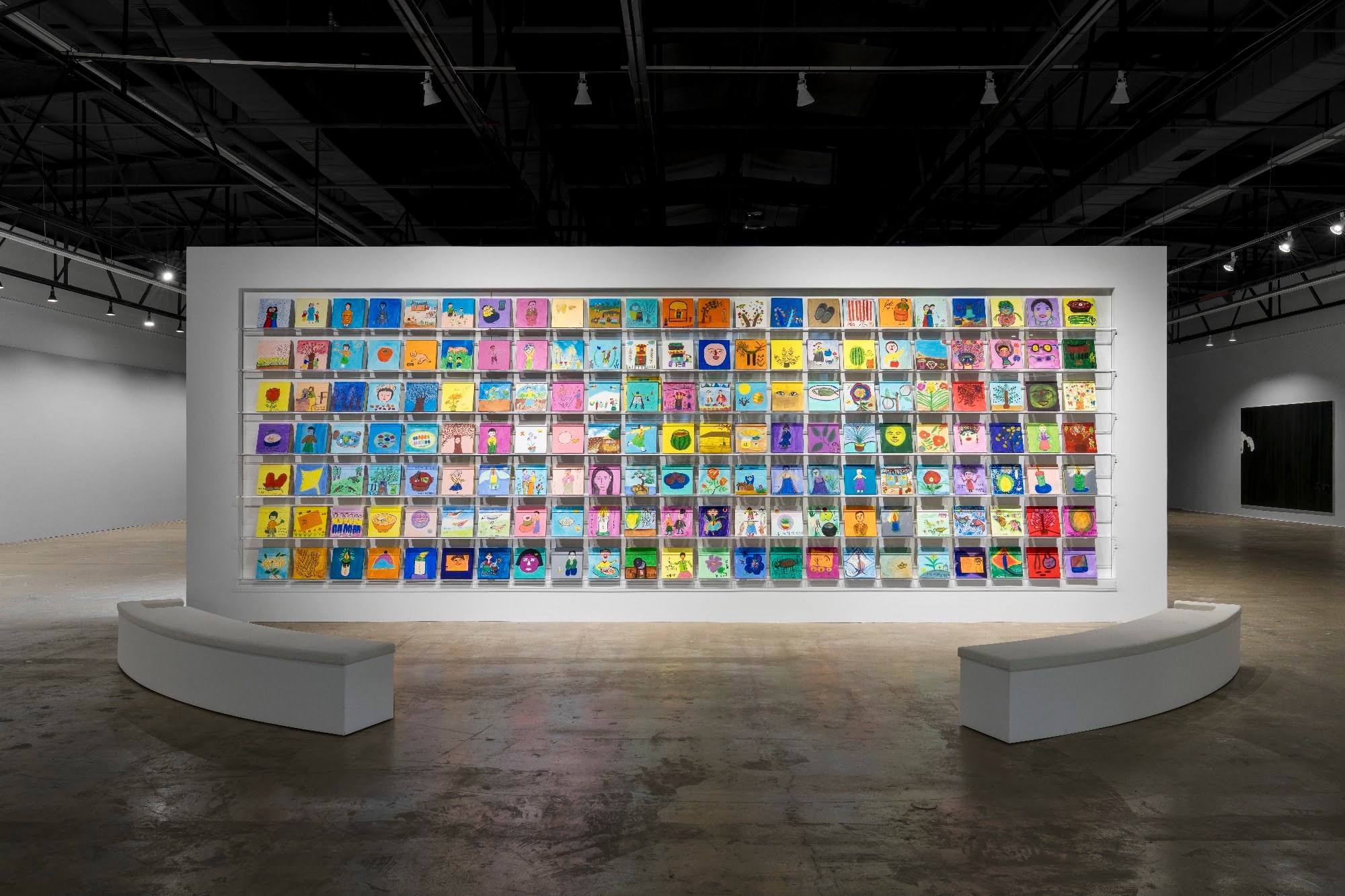
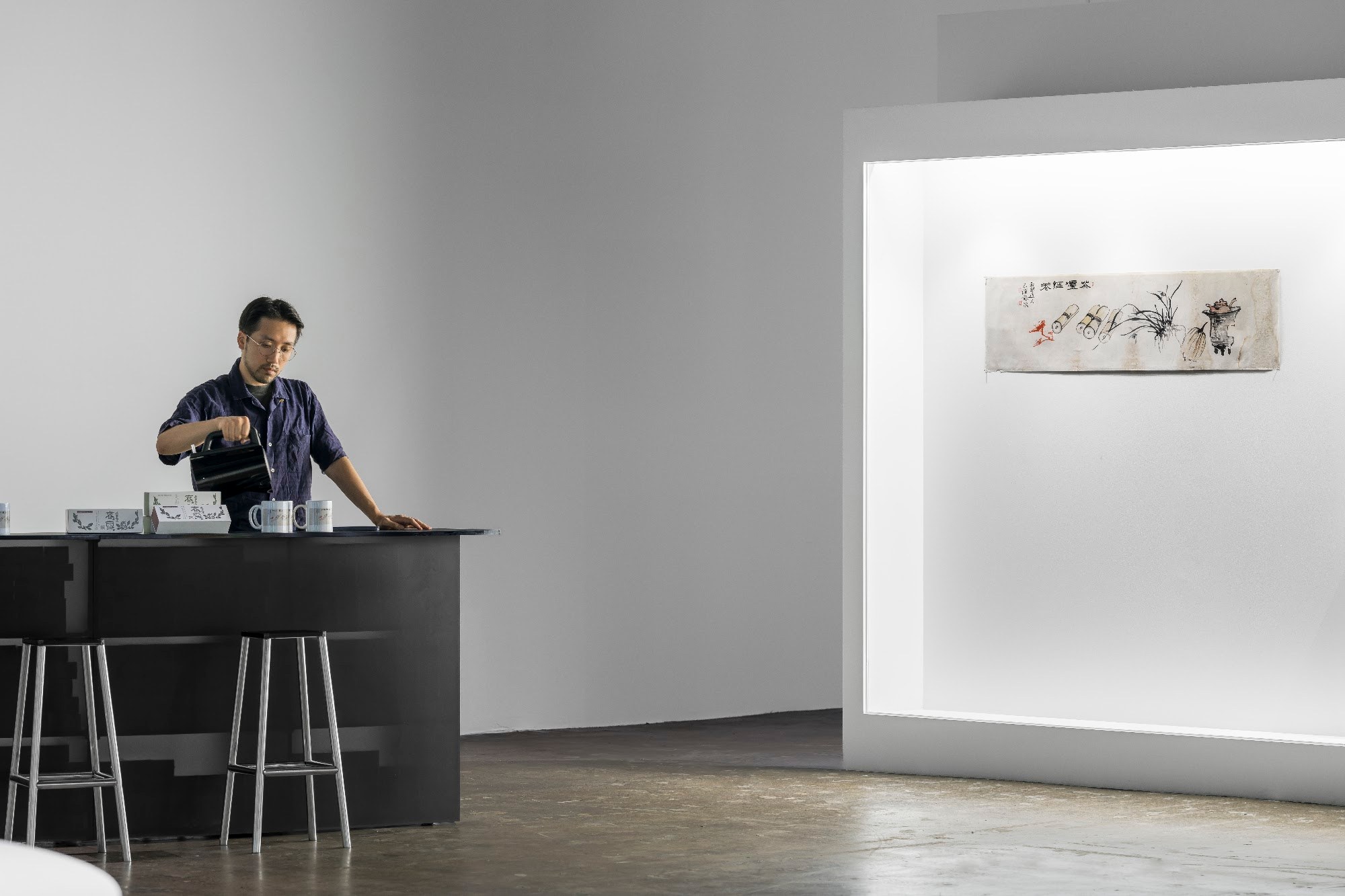
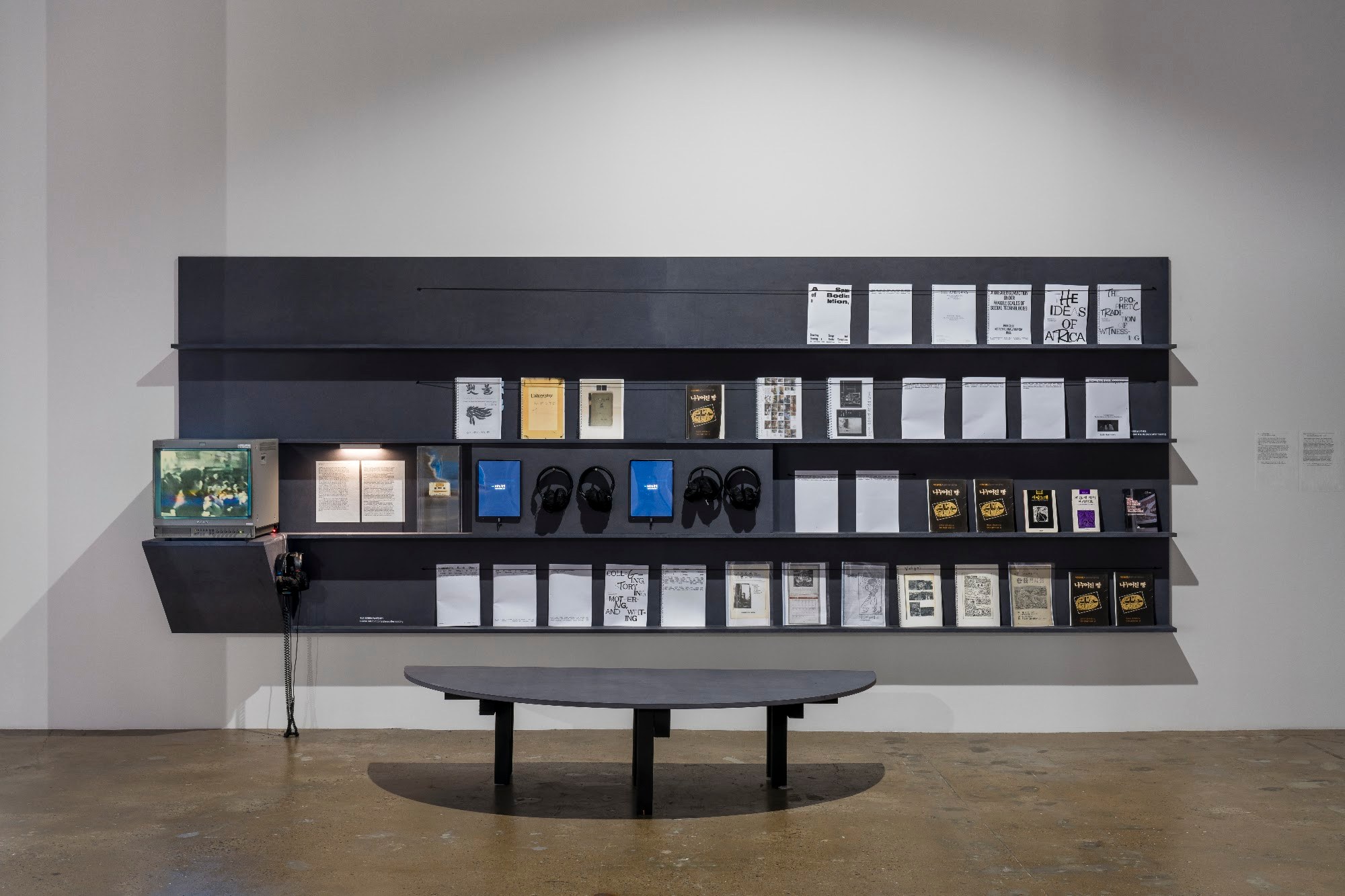
The Gwangju Biennale was founded in 1995 to commemorate the May 18 Gwangju Democratization Movement, and the city runs through this edition. May Mothers House, a community of women whose lives were shaped by the 1980 uprising, shows 322 paintings made in workshops with the artist Joo Hong since 2022. The literati painter Huh Baek-ryun (1891–1977), who co-founded Sam-ae Academy in 1947, is represented by paintings, calligraphy and tea utensils, and visitors can taste his Chunseol-cha, or spring snow tea. Christian Nyampeta draws on the curriculum of the Gwangju Citizens’ Art School.
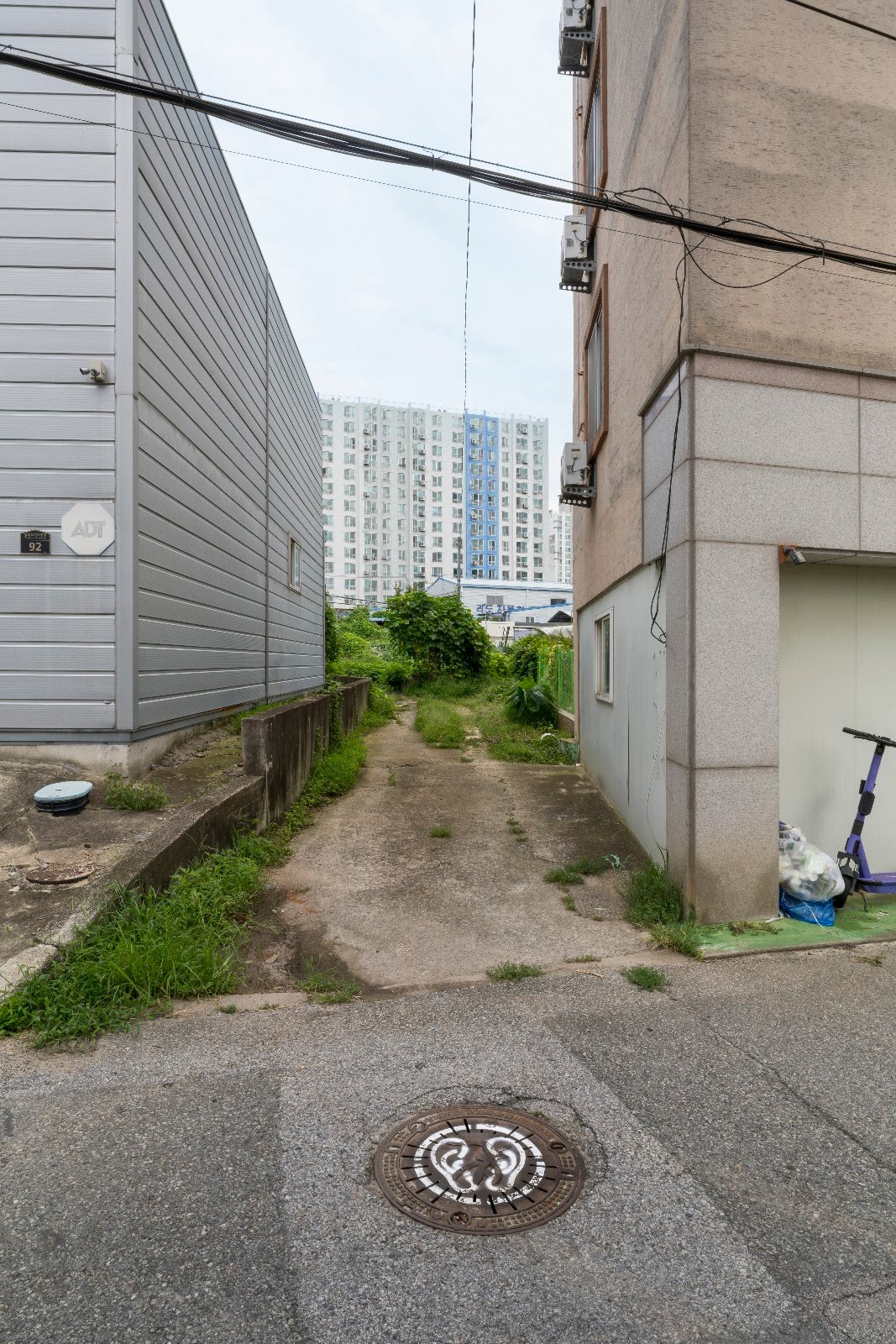
Around the building, the 85-year-old Suzuki Akio has placed stickers of his ear-and-footprints icon, small marks that ask passers-by to stop and listen to what is already there. The preview on 4 September included Bullim (Augmentation) by Kwon Byungjun and Park Chan-kyong, a reworking of the shamanic ritual soegeollip with instruments made from metal donated by residents of Gwangju and South Jeolla. More performances and talks are planned for the closing days, 6 to 8 November.
Exhibition: Gwangju Biennale Foundation / @gwangjubiennale
Photography: Jeon Byung Cheol
Location: Gwangju Biennale Exhibition Hall, Gwangju, South Korea